











Without electricity, nothing works
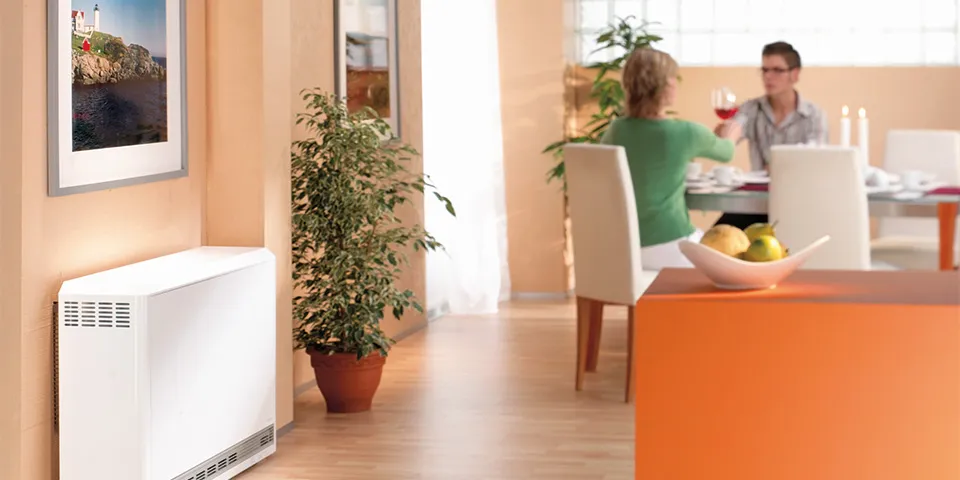
There is no getting around it: the systematic shift to renewable energy is continuing. At present, more than 30% of electricity is generated from renewable energy sources, and this share is steadily increasing.
Electricity is clearly the energy carrier of a sustainable future. Whether it comes from your own rooftop PV system, an offshore wind farm in the North Sea or a hydroelectric dam, energy from renewable sources is always converted into electricity.
The challenge lies in developing suitable hardware to use this green electricity as
efficiently as possible. Dimplex storage heaters or hybrid rechargeable electric heating systems (with thermal storage) can enable self-consumption of the PV energy generated. They also help flatten the demand placed on the electricity distribution network during peak hours in winter. This is essential to avoid a possible blackout. This makes electric heating an excellent choice once again for a new-build home.
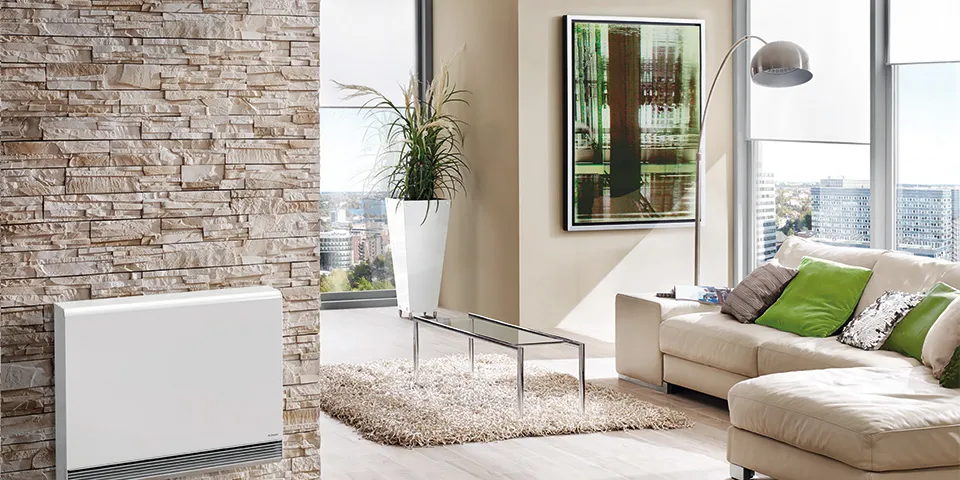
The investment cost of storage heaters or hybrid rechargeable electric heating systems (with thermal storage) is much lower than that of a conventional central heating system.
EPC rating = 29*
In a new-build detached house with a liveable floor area of 160 m², 9.5 kW of PV panels, a K25 insulation level and an airtightness of 2 m³h/m², storage heaters or hybrid rechargeable electric heating systems (with thermal storage) result in an excellent EPC rating of 29. This home is therefore considered a nearly zero-energy building.
0 kWh consumption
By combining hybrid electric heating with thermal storage and a total PV panel capacity of 10 kWp, it is possible to bring the combined energy consumption for heating, domestic hot water and electrical appliances below zero, thanks to the virtual net meter. This means that the energy generated by the PV system exceeds the total electricity required by this low-energy home over the course of a year.
The investment cost of storage heaters or hybrid rechargeable electric heating systems (with thermal storage) is much lower than that of a conventional central heating system. This solution is also easier to install, since the units are installed individually.
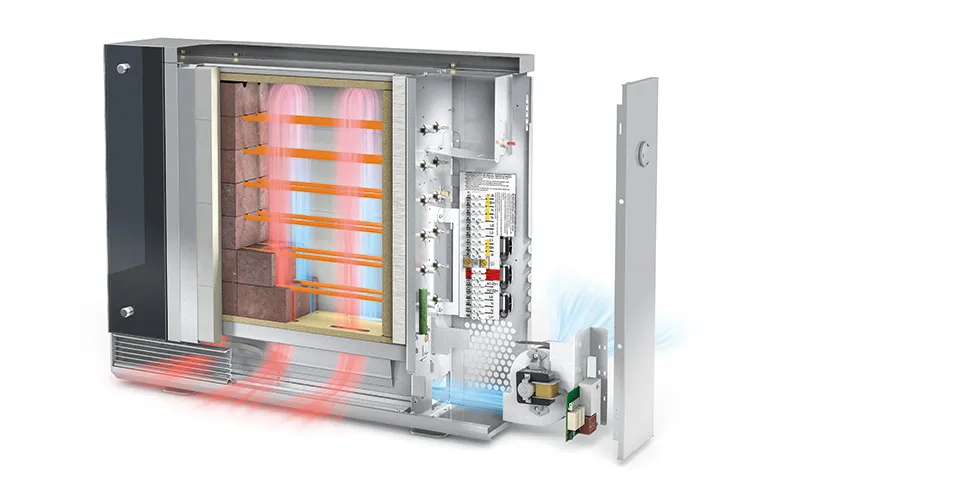
These storage heaters or hybrid rechargeable electric heating systems (with thermal storage) have an average service life of 25 years.
Maximum service life
Experience shows that these storage heaters or hybrid rechargeable electric heating systems (with thermal storage) have an average service life of 25 years. This is because they contain very few
moving components. On average, they therefore last longer than gas boilers, heat
pumps or other heating systems.
Question about this story? Ask your question
Keep following this
Get an email when a new story is published. No account needed.
- ThemeElectrical infrastructure under pressure
- SubjectNews







