R290 as the new standard and integrated technologies: wholesaler supports installers with training
Text Cebeo en Wouter PolspoelImage Cebeo

The European F-gas Regulation is driving the rise of air conditioners and heat pumps using the natural refrigerant R290 (propane). Switching to R290 brings new considerations for installers, particularly around installation, safety clearances and refrigeration expertise. At the same time, electric heating and cooling are becoming increasingly integrated with other technologies. That is why Cebeo is helping installers broaden their expertise through Cebeo Campus. A new addition to its training programme is a pathway developed in collaboration with Syntra, which guides professionals from different starting points towards a broader role as an energy adviser.
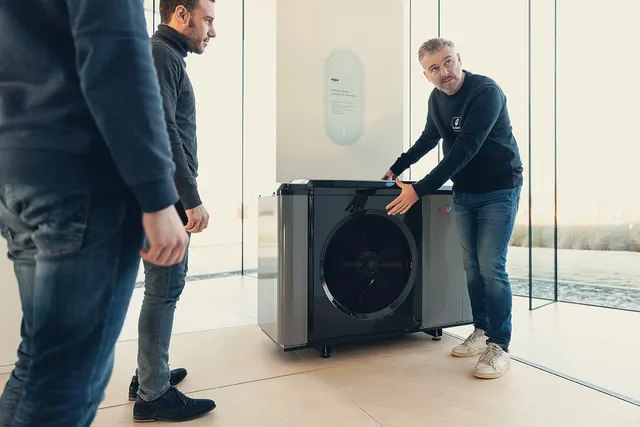
The F-gas Regulation (see also the general article in this issue on the forthcoming new GWP limit for monobloc heat pumps, ed.) aims to gradually reduce the use of fluorinated refrigerants because of their high climate impact. Manufacturers of air conditioners and heat pumps are therefore increasingly choosing R290, or propane, instead of a synthetic refrigerant. Under the current European F-gas Regulation, this natural refrigerant has a global warming potential (GWP) of 0.02, while R32, one of the most widely used synthetic refrigerants, has a GWP of 675. GWP indicates how strongly a particular substance contributes to the greenhouse effect. The higher the figure, the greater its contribution. R290 also has favourable thermodynamic properties, enabling heat pumps and air conditioners that use it to combine high efficiency with high flow temperatures.
A different refrigerant, however, calls for a different approach. R290 is in safety class A3 and is highly flammable, whereas R32 falls into class A2L, with lower flammability and a low burning velocity. Installers must therefore strictly follow the manufacturer’s installation instructions and observe the safety clearances it specifies.
An R290 split system may only be installed by a technician with refrigeration certification, as the refrigerant pipes are always connected on site. By contrast, the refrigerant circuit in a monobloc heat pump forms a single hermetically sealed unit. Refrigeration certification is, however, required for maintenance of a monobloc system if the refrigerant circuit needs to be opened.
This does not mean that installers without refrigeration certification have to miss out on such projects altogether. Through Cebeo’s commissioning services and those of its partners, they can get support with work that requires specific refrigeration expertise or qualifications. The tasks carried out depend on the type of unit, the refrigerant used and the service selected. After commissioning, the customer receives a commissioning form that includes, among other details, the commissioning technician’s certificate number and the refrigerant used.
Understanding how different technologies work together
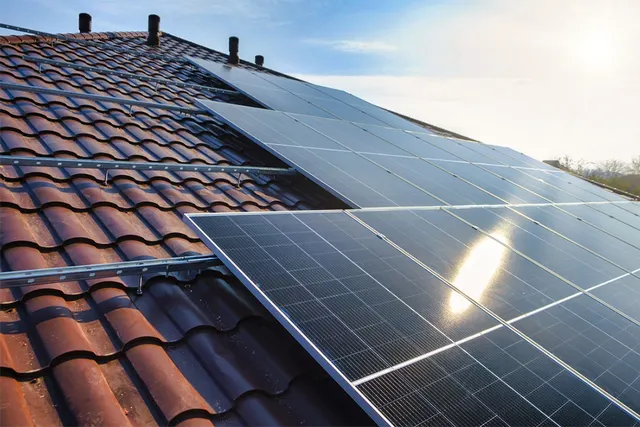
Air conditioners and heat pumps are also increasingly becoming part of an energy system that includes solar panels, home batteries and energy management systems. Installers can no longer always rely on knowledge of a single technology. To advise customers effectively, they also need to understand how different technologies work together.
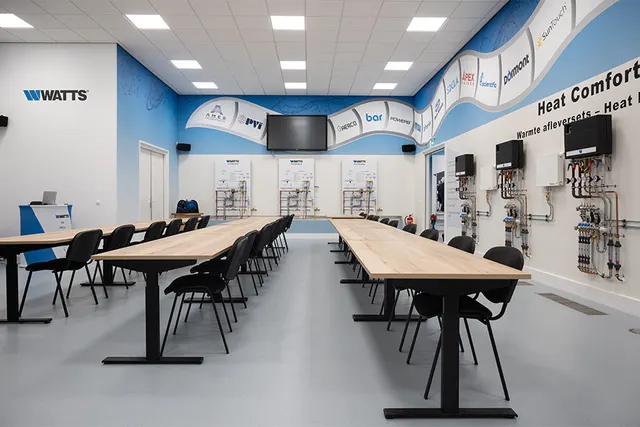
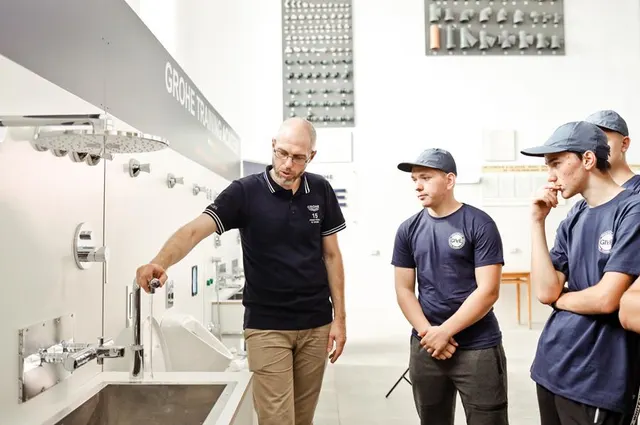
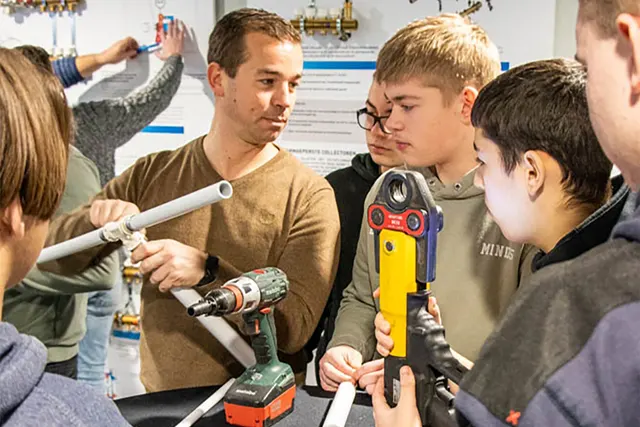
That is why Cebeo, a B2B distributor of heat pumps and air conditioners, as well as lighting, EV charging solutions and building automation products, supports installers not only with the latest products but also with training through Cebeo Campus. The training centre provides in-person courses, often with a practical focus, on a wide range of technical topics. The wholesaler organises these courses, some free of charge and others paid, in collaboration with manufacturers and other specialist partners.
Modular training pathway
A new training pathway is now being added in Flanders: Cebeo has developed a programme with Syntra to help installers broaden their expertise at an affordable price and progress towards a broader role as an energy adviser. The starting point? Not every installer has the same technical background. The programme therefore consists of seven separate modules: basic electrical engineering and HVACR, basic hydraulics and water quality, basic control engineering, heat pumps, home batteries, fundamentals of energy management systems (EMS), and communication with EMS customers.
Together, the courses form a structured learning pathway, but participants do not have to complete the entire programme. They can choose modules to suit their experience, prior knowledge and ambitions. A no-obligation entry assessment is also available for certain modules.
Depending on the module, classes take place at Syntra training centres in Aalst, Genk, Mechelen, Oostende or Sint-Niklaar. Participants who successfully complete a module receive a VLAIO certificate.
Cebeo Campus’s regular courses usually last from a few hours to one working day. The more extensive courses that Cebeo offers with Syntra consist of one or more teaching sessions, depending on the subject.
Exhibiting at Install Day
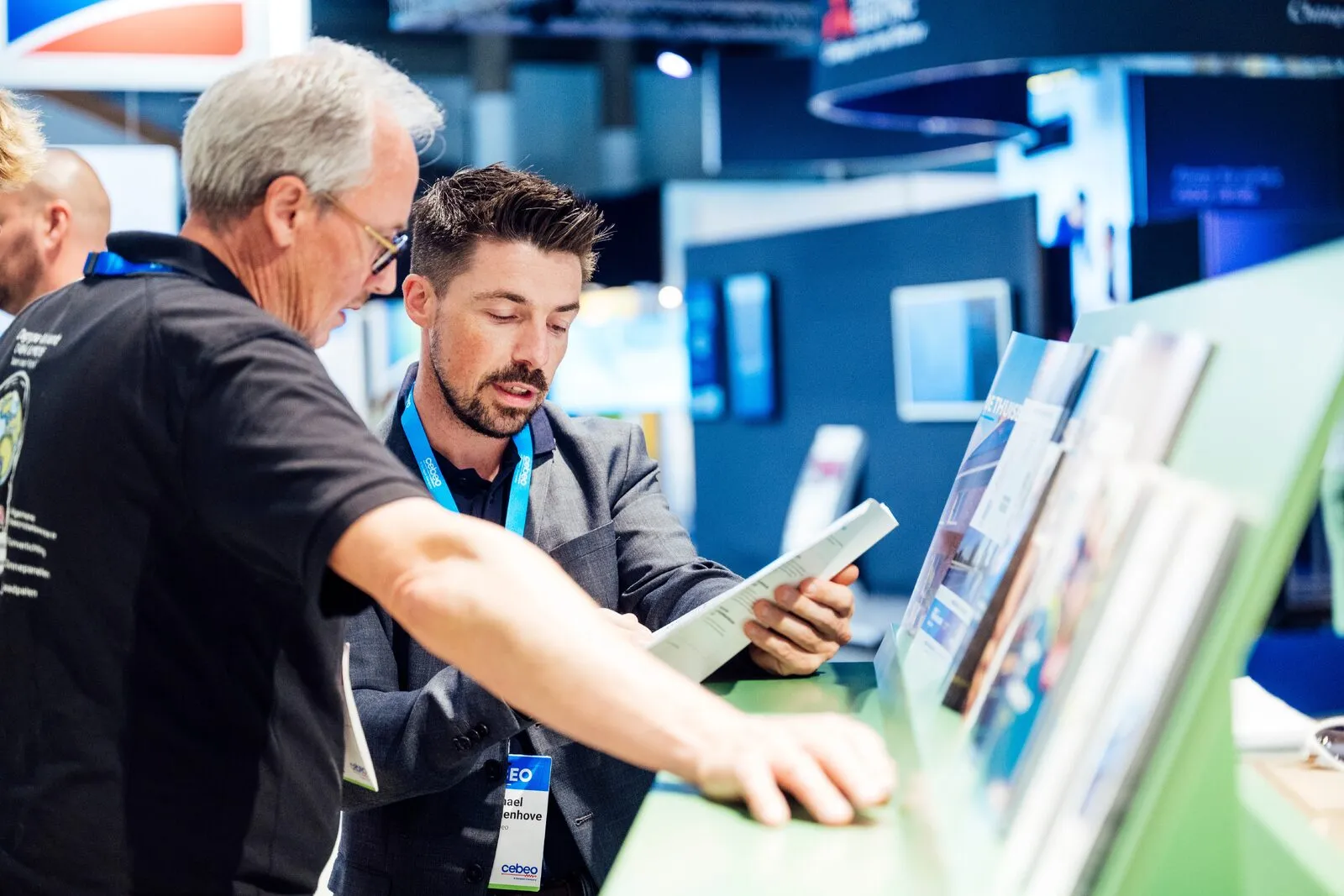
Cebeo will also be at Install Day on 9 October, the one-day trade fair for installers held in Groot-Bijgaarden. It will be at stands 198 and 199. “Visitors can find out more about our training programme and explore our range, which reflects our multibrand approach: we offer more than solutions from a single manufacturer, with products from a variety of brands. This broad perspective is in keeping with the shift towards integrated energy systems, where the right solution depends on the application and how it works with other technologies,” concludes Michaël Van Audenhove, HVAC domain expert at Cebeo.
Een zakelijke vraag aan Cebeo? Get in touch
Companies in this story
Keep following this
Get an email when a new story is published. No account needed.
- ThemeFossil-free heating and cooling
- SubjectPeople & training
- CompanyCebeo
- CompanySyntra West