Updated lighting control: even more possibilities, even easier to use
Text Valérie CouplezImage Beckhoff Automation
Switching from incandescent and fluorescent lamps to LED? A no-brainer for businesses, bringing worthwhile energy and cost savings. But anyone looking to take the next step should also consider lighting control. The potential for further savings by automatically switching off the lights when nobody is around is enormous. Programming lighting control normally requires expertise and time, but not with Beckhoff Automation’s TF8050 lighting control. The latest version is even easier to use. Philip Neyens, industry specialist building automation at Beckhoff Automation Belgium, tells us about the main new features.
The TF8050 lighting control has been around for more than ten years. It is a pre-programmed software package that allows users to control their own lighting. All they need is an internet browser to open the application. “Most things simply need to be configured, not programmed,” says Philip Neyens. “Anyone who already works with it will agree: the openness for which Beckhoff Automation is known is also a feature of the TF8050 lighting control. The software package provides a complete overview of the control system and all the connected luminaires and sensors. Now and in the future, because as the building’s lighting evolves, the system simply evolves with it.”
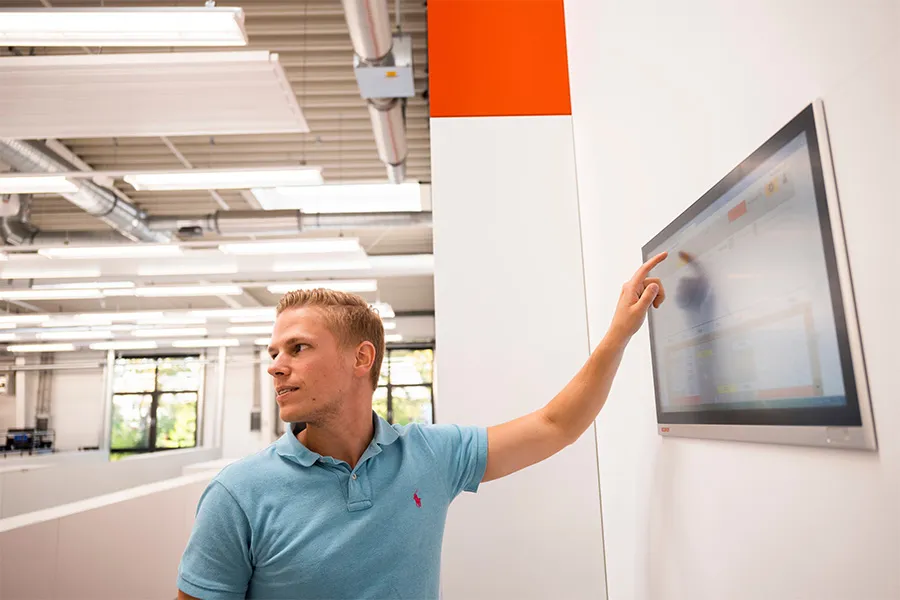
Warehouses, offices and showrooms
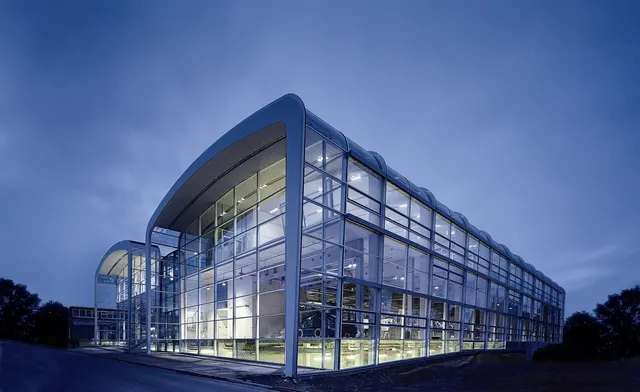
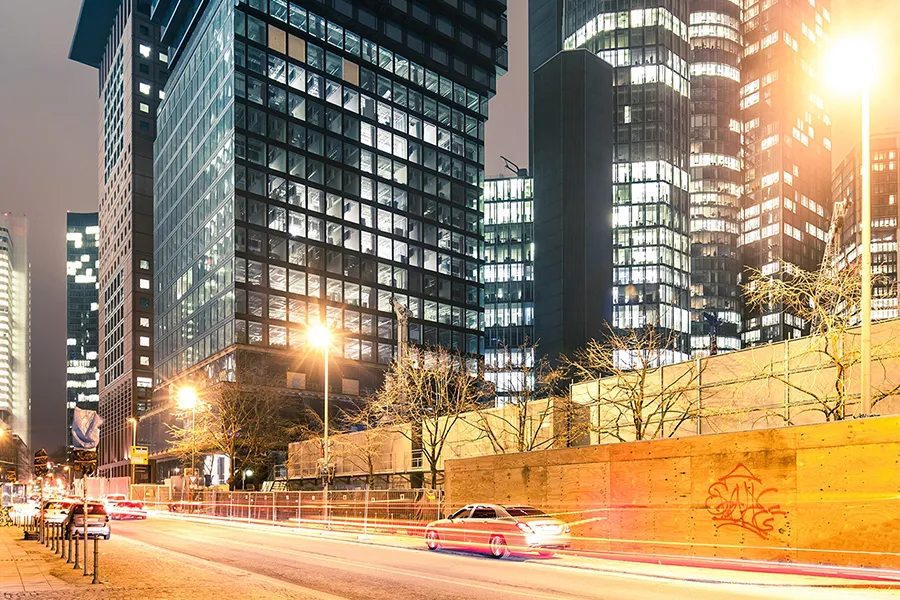
There is no shortage of applications. At the Omniturm in Frankfurt, for example, the TF8050 lighting control can easily manage ten thousand LEDs across forty floors using data captured from 2,500 sensors. The lighting settings can be adjusted separately on each floor in the building management system, including new developments such as human-centric lighting. The TF8050 lighting control also delivers significant energy savings and optimum lighting in Beckhoff Automation’s production hall in Germany and, closer to home, in the Beckhoff Automation showroom in Lummen. It delivers worthwhile savings in any setting, large or small.
The new version, recently brought to market, offers even more possibilities. “Two things were priorities when updating the lighting control: new features that make it easier to use, and improved visualisation that makes the software even clearer,” says Philip Neyens.

Time savings
One notable new feature is automatic sensor type detection. “In the previous version, this was still done manually. After scanning, you had to specify which device it was. Now, after scanning, the programme identifies the sensor’s make and model. The most common ones are all in the library. Have a different one? You can easily add it. That’s Beckhoff Automation’s openness again,” says Philip Neyens.
Templates are another new addition. “They let you apply the same settings in one go to lamps or groups of sensors that share the same functionality. It’s also easier to create a group,” says Philip Neyens. “Automatic sensor type detection and templates may seem to save only a little time, but in large installations the savings really add up.”
Automatic optimisation
The TF8050 lighting control has now become a DALI-2 lighting control system. Philip Neyens explains: “It could already communicate using the KNX and EnOcean standards, but that required a workaround. Now it can do so directly.”
The lighting control can now optimise itself more effectively, too. “If the system detects that the lights can be dimmed and switched off sooner once movement has stopped, it adjusts the timings itself,” explains Philip Neyens. “Schedules can now also take the astronomical clock into account. For example, you can set your outdoor lights to come on an hour before sunset. Other new functions let you monitor energy consumption, energy costs and CO2 savings, generate alerts when lamps are nearing the end of their service life, and automatically test emergency lighting at regular intervals, as required by law, without having to programme it. The system can also report false detections, and more. And thanks to the new graphical interface with icons, the dashboard is even easier to understand.”
“Anyone who wants to experience it first-hand is welcome to visit our showroom, but we also have demo units available to take to customers. Anyone already using the TF8050 lighting control can use the new version under the same licence,” concludes Philip Neyens.
Een zakelijke vraag aan Beckhoff Automation? Get in touch
Companies in this story

Keep following this
Get an email when a new story is published. No account needed.
- ThemeSmart building integration
- SubjectSmart buildings
- CompanyBeckhoff Automation