Architects’ association calls for less regulation, but with a clear focus
Text Björn CrulImage NAV en AI
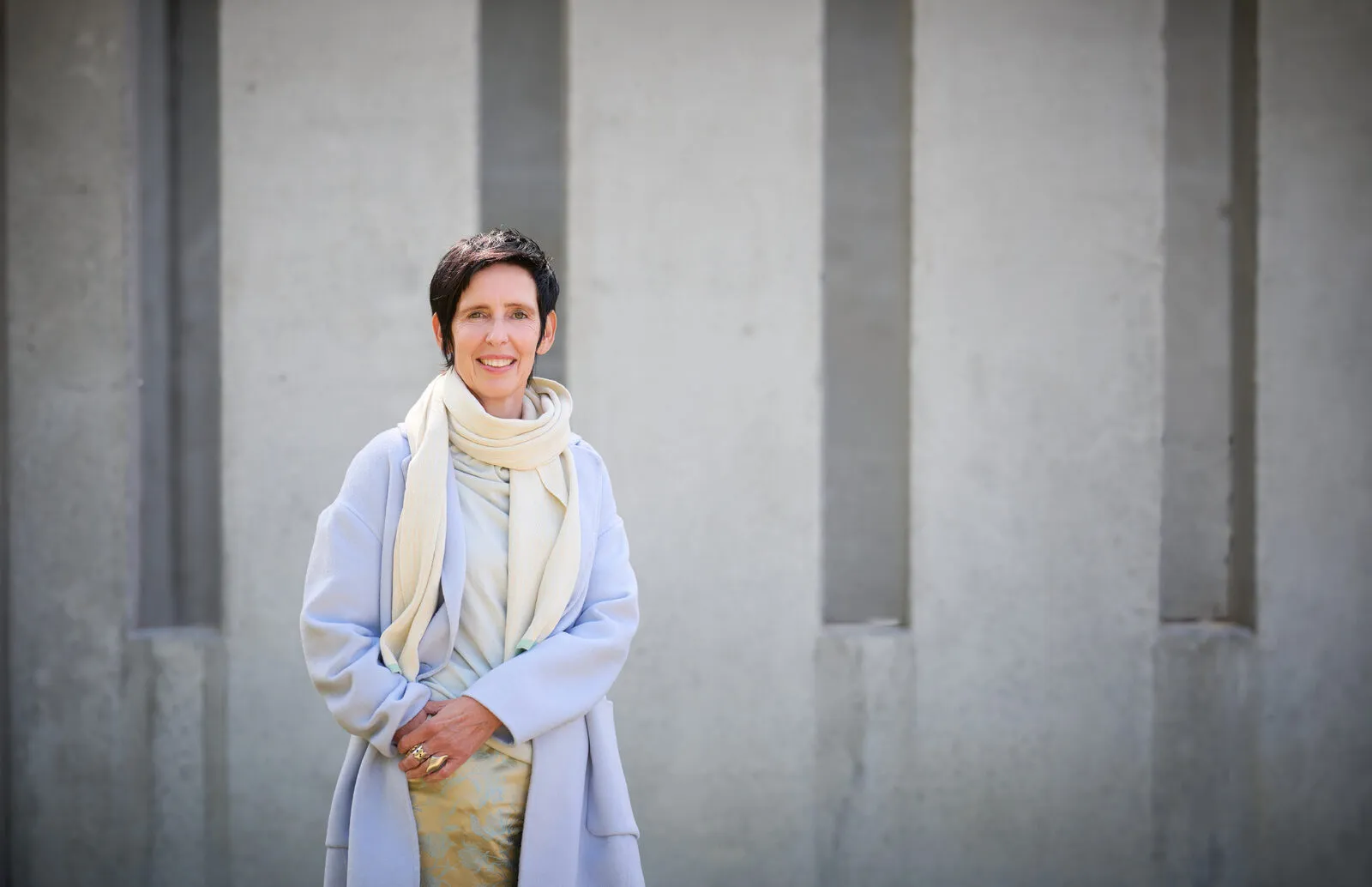
Constantly changing rules and complex planning procedures make architects’ work more difficult. The fact that clients are increasingly pulling out is, in turn, putting pressure on the profitability of design practices. Kati Lamens, chair of NAV (Netwerk Architecten Vlaanderen), is therefore calling for a fundamentally different approach: fewer administrative obligations and more scope for creative, inventive solutions that achieve the same objectives.
Kati Lamens: “The construction sector is shrinking due to a whole range of factors beyond our control. Absurdly long planning approval times, the geopolitical situation and rising prices are creating uncertainty among clients and investors. We have never seen so many projects grind to a halt. Clients regularly decide to put a promising project on hold or even pull the plug, because of planning issues, rising costs or a combination of the two.”
“We are increasingly seeing planning requirements piling up and contradicting one another,” she says, giving an example of this kind of problem. “As architects, we always look for solutions. This involves a great deal of study and repeated consultations with the planning department, each time followed by revisions to the plans. Clients are right to ask why they should keep paying for this, given that it is the government that often introduces unworkable regulations. This, too, puts pressure on profitability across the sector.”
“Growing regulatory pressure is making the energy transition more difficult”
According to Kati Lamens, this growing regulatory pressure is also making the energy transition in the construction sector more difficult, particularly for renovation and renewal projects. “When it comes to new-build projects, there is little disagreement between clients and architects. The aim is to deliver a climate-resilient project that takes account of the circular economy and all the requirements of the energy transition,” she says. “But for renovation and renewal projects, there is excessive red tape from every possible Flemish administration. Regulations are developed in a highly theoretical way and there is hardly any consultation with architects. For example, all energy requirements are developed by VEKA, while OVAM is responsible for developing the future circularity requirement for the use of materials. We see the two as inextricably linked. It is therefore absurd that the two bodies are developing software separately. Having to use two separate software packages for one project will once again drive up costs for clients.”
“On top of that, policy is erratic, with rules constantly being changed, subsidy schemes changing and banks imposing their own conditions for loans. No consideration is given to what all this means for the end user: they no longer have any freedom to choose their investments or the order in which to make them.”
To address these problems, NAV is calling for a fundamentally different approach to regulation. “Administrative simplification,” says Kati Lamens emphatically. “As an architects’ association, we are calling for fewer regulations and a more targeted approach. Take the Hemelwaterverordening, for example. Even for the smallest project, we have to carry out a study on how to collect and drain rainwater, where sufficient infiltration capacity can be provided, and so on. In some situations, the theoretical models required to obtain planning permission cannot be implemented in practice, whereas we can achieve the same objective with inventive solutions. These studies do not belong in the planning application, but in the construction documentation. If the government thought along the same lines, planning applications would be simpler, require less consultation and need less technical expertise from the officials assessing them. A win-win for everyone.”
“I understand that the government wants to ensure that what is required is ultimately delivered. But compliance can easily be certified at the end of the process, in the same way as an inspection is required to obtain a connection to the sewer.”

“The wave of consolidation in the architecture sector will not let up”
According to Kati Lamens, the ongoing pressure on profitability is also affecting how architectural practices organise themselves. “When a project is put on hold, it has an immediate impact on work schedules. The wave of consolidation in the architecture sector has been under way for some time and will not let up: whereas practices used to work together mainly on individual projects, they are now more often seeking long-term partnerships or becoming part of larger organisations. This is also because public-sector clients are imposing ever more requirements for competitions. Sometimes these involve substantial financial guarantees or highly specific references that not every architect can provide.”
At the same time, the NAV chair says, smaller practices that focus on small-scale housing and the complexity of renovation projects also have an important role to play. “The two can exist perfectly well side by side.”
“Top priority: a simpler regulatory framework”
For Kati Lamens, it is clear what needs to change fundamentally by 2030 so that architects and the construction sector can fulfil their role to the full: “Top priority: a simpler regulatory framework. The Flemish government has drawn up a policy plan to achieve the building shift, allowing denser and taller construction in some areas so that more open space can be preserved. Unfortunately, we are seeing local authorities undermine those objectives through their own regulations. That must stop. What is more, the simpler and more consistent the regulations, the greater the legal certainty for applicants, the fewer applications for exemptions, the easier it is to obtain planning permission and the sooner a solution can be found to the shortage of affordable homes.”
“Finally, we want the government to stop competing with us. As a result of increasing regulation, people renovating their homes can no longer see the wood for the trees, so new ‘renovation coaches’ have been introduced to help them. That is absurd. What is more, these coaches generally look only at energy improvements, leaving underlying defects unnoticed. This is further proof that supporting people undertaking renovations is a job for architects,” she concludes.
Question about this story? Ask your question
Keep following this
Get an email when a new story is published. No account needed.
- ThemeThe installer of tomorrow
- SubjectYearbook