HVAC controls specialist sees training as key to accelerating the energy transition
Text Wouter PolspoelImage Belimo
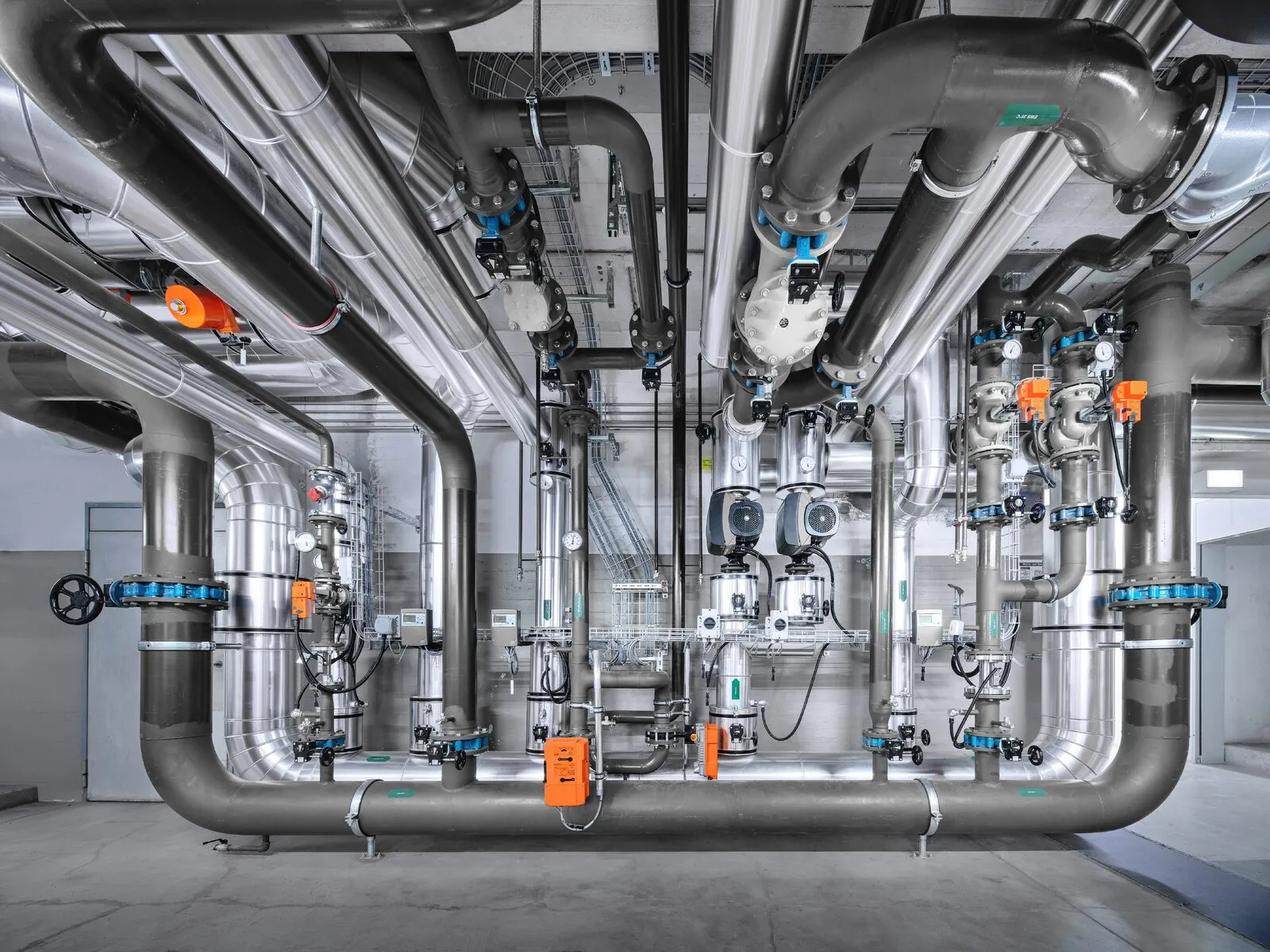
“Technology is not the main obstacle to the energy transition, the shortage of people with the right skills is. More training, and training that is brought up to date, is therefore a priority for us.” For Steve Aerts, managing director of Belimo Belgium, it is clear where the biggest gap currently lies between what the energy transition demands and what the Belgian installation sector can deliver. Yet he also sees reason for optimism. “The market increasingly recognises that energy efficiency does not start with heat generation, but with a correctly controlled installation.” This trend is proving fruitful for Belimo, which specialises in measurement and control technology for HVAC installations: according to Steve Aerts, the company can already look back on a successful 2026.
“Buildings are getting smarter, but the way the installation sector works is not always keeping pace,” begins Steve Aerts. “The energy transition calls for technical professionals who are familiar with hydraulics, data, software, sensors, communication protocols and building management. There are not enough people with this combination of skills in today’s labour market. That is the biggest obstacle to a rapid energy transition. It is not technology, which is already available.”
For Belimo’s managing director, investing in knowledge and training is therefore an absolute priority. “Do not get me wrong,” he explains. “Manufacturers and policymakers certainly still have a role to play in the energy transition, but more training, and training that is brought up to date, is our top priority. Without skilled people, even the best technology will remain unused on the shelf.”
In this context, he says, we need to move away from the traditional customer-supplier model. Steve Aerts says: “As mentioned, installers are dealing with increasingly complex buildings and growing expectations around energy performance. Manufacturers will therefore need to become much more of a knowledge partner, offering not only training but also services such as engineering support, energy advice and commissioning. In a few years’ time, companies that only sell products to installers will no longer add value.”

Open standards and clearer policies
He also sees room for improvement in other areas related to the energy transition. “Too many suppliers try to lock customers into their own platform. For installers, that means extra training, compatibility problems and greater risks. In my view, the future lies not in closed systems but in open standards, where components communicate seamlessly with one another,” he says.
“Policy needs to be more consistent. We are now seeing a proliferation of different rules that change all the time, each with its own exceptions and sometimes too much room for interpretation. That, too, is holding back the energy transition. Homeowners and building owners need clarity. When rules change every few years or are applied differently, people become uncertain and investments are postponed.”
“The sector does not promote itself well enough”
Alongside the need for the right skills, the Belgian installation sector is naturally also short of workers. Steve Aerts believes the industry has partly brought this problem on itself: “The sector does not sell itself well enough. Installers and the federations that represent them do not talk enough about how interesting and innovative the job is today. Many young people still have a traditional image of installation work, whereas installers are increasingly working with software and data and playing an important role in developing smart, energy-efficient buildings. Installers are no longer just there to carry out work. They are increasingly becoming advisers who contribute to discussions about energy performance, comfort and digitalisation.”
“The Belgian installation sector is not the only one facing a shortage of workers, of course. The shortage of technical talent is a societal problem,” he adds.

“The biggest energy savings are to be made in existing buildings”
Steve Aerts stresses that it is not all doom and gloom. “The market increasingly recognises that energy efficiency does not start with heat generation, but with a correctly controlled installation. We are seeing clear growth in interest in sensors, measurement solutions, digitalisation and building automation. That is a positive trend, especially since, in my view, the greatest energy savings in Belgium are not to be found in new buildings but in existing ones. By controlling existing installations more intelligently, measuring performance more effectively and optimising them continuously, we can already save a great deal of energy.”
“As a global market leader in the development, production and sale of measurement and control equipment for the energy-efficient control of heating, ventilation and air-conditioning (HVAC) systems, we can already look back on a year in which we further strengthened our position among installers, consulting engineers and system integrators,” he concludes.
Een zakelijke vraag aan BELIMO Belgium bv? Get in touch
Companies in this story

Keep following this
Get an email when a new story is published. No account needed.
- ThemeImproving building services performance
- SubjectGeneral
- CompanyBELIMO Belgium bv