Batteries: the way out of uncertainty for the PV sector?
Technological and social innovations are often a direct result of crises. Following the Constitutional Court ruling on the reversing meter (see separate article), the entire sector is looking for ways to keep solar PV installations profitable in the future.
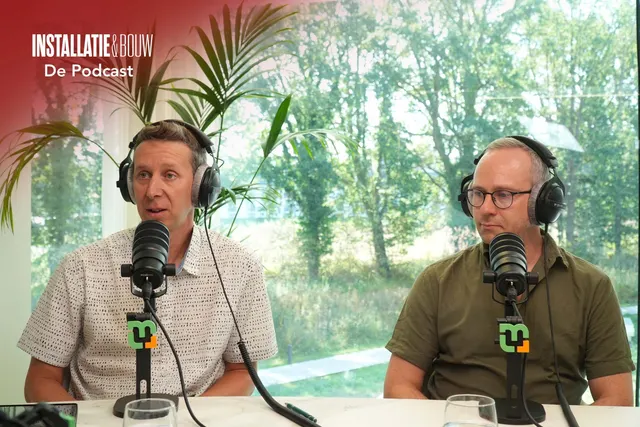
The word ‘battery’ is often seen as a magic solution. At ODE’s PV webinar, Johan Driesen, professor at KU Leuven and energy systems expert at EnergyVille, outlined the opportunities and challenges.
“The modern home is also a ‘smart energy’ home, with highly dynamic consumption,” Driesen began. “This results in a challenging interaction with the electricity grid. When the reversing meter was in place, the grid was seen as a large battery. The prosumer tariff was a fee for using that grid. The introduction of the digital meter brought that system to an end.”
Indirect self-consumption
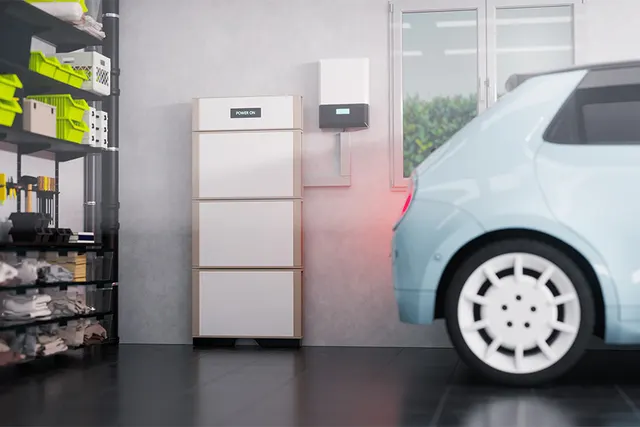
As you can read in the other articles, increasing self-consumption is the way out of the impasse. Driesen noted that there are two ways to achieve this. “There is direct self-consumption, which requires a controllable load. But there is also indirect self-consumption: temporarily storing the energy generated for later use.” Enter the battery system.
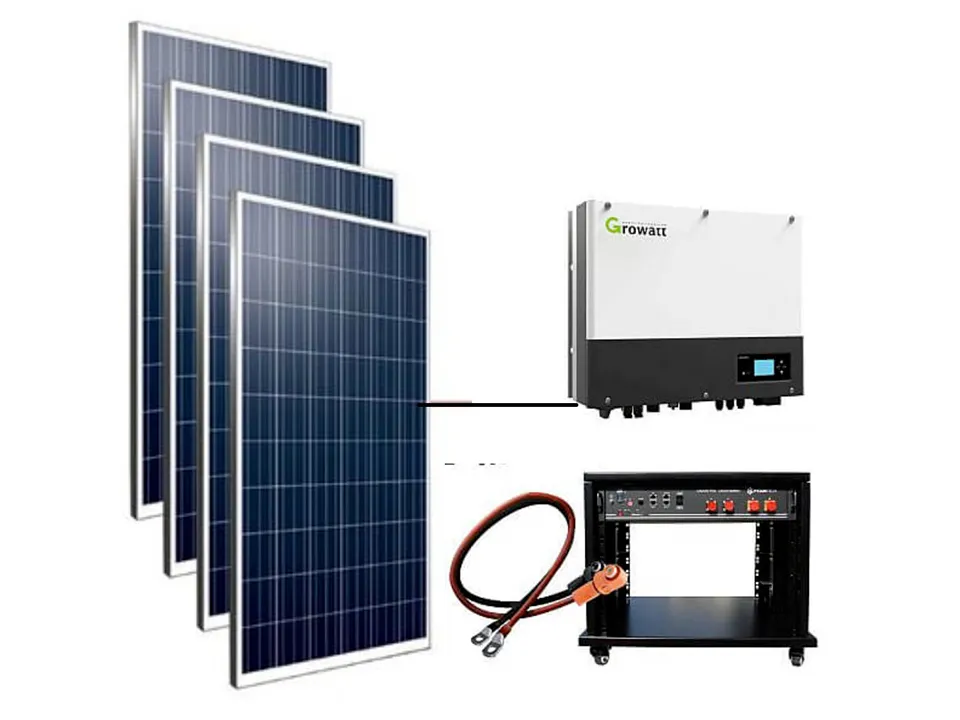
Driesen confirmed that the price of battery systems is falling steadily. “The expectation is that the price of home batteries will fall below 100 euros per kWh around 2023,” said Driesen. However, there are other factors to consider. Battery cells (direct current) need to be connected to the home’s electricity system (alternating current). Inverters and converters are required, and the conversion stages can lead to efficiency losses. In addition, battery systems fall into two main categories: AC-coupled and DC-coupled systems. “Each has its own specific architecture, with its own advantages and disadvantages,” said Driesen.
Is a home battery already profitable for solar panel owners? “We are still at a tipping point. There are many uncertainties, for example when it comes to tariffs,” Driesen said. “It may be worth installing an inverter with additional DC ports now, so that a battery can be connected at a later stage. This is a strategic choice, depending on personal circumstances and risk aversion. Nevertheless, we expect adding a battery to a PV installation to become very attractive in the short term.”

Larger installations
Driesen supported this hypothesis with a calculation example developed by him and his colleagues. The researchers compared a PV installation under different scenarios: with or without a reversing meter and prosumer tariff, and with or without a home battery. Driesen supported this hypothesis with a calculation example developed by him and his colleagues.
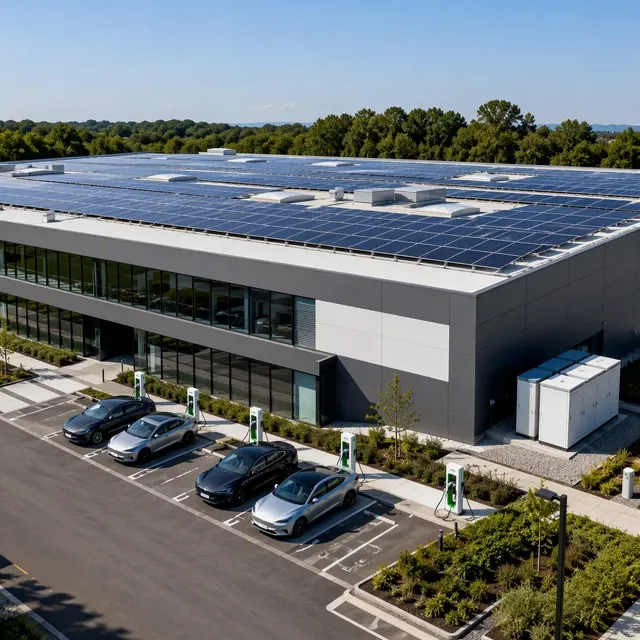
The researchers compared a PV installation under different scenarios, and found that without a reversing meter, a smaller installation is the better choice if you want the shortest payback period. Driesen said: “However, if we add batteries to the mix and assume their cost falls steadily, it suddenly becomes possible to install a significantly larger PV system, and the investment pays for itself much faster again.”
As mentioned in the article on page 51, PV-Vlaanderen recommends assessing whether the additional revenue from each extra panel justifies the cost, and filling roofs as much as possible while taking into account the future purchase of batteries or electric cars. The cost of adding a battery later can also be kept down by installing a hybrid inverter from the outset.
“The trend is clear: once batteries cost only a few hundred euros per kW, the investment will be worthwhile and much larger PV installations can be installed again than before. It’s a win-win situation,” Driesen concluded. Those who do not want to wait can, of course, install a large PV system now and connect a battery to it later.
Question about this story? Ask your question
Keep following this
Get an email when a new story is published. No account needed.
- ThemeEnergy generation and smart use
- SubjectElectrical