











Smart energy management: how to get more out of your energy
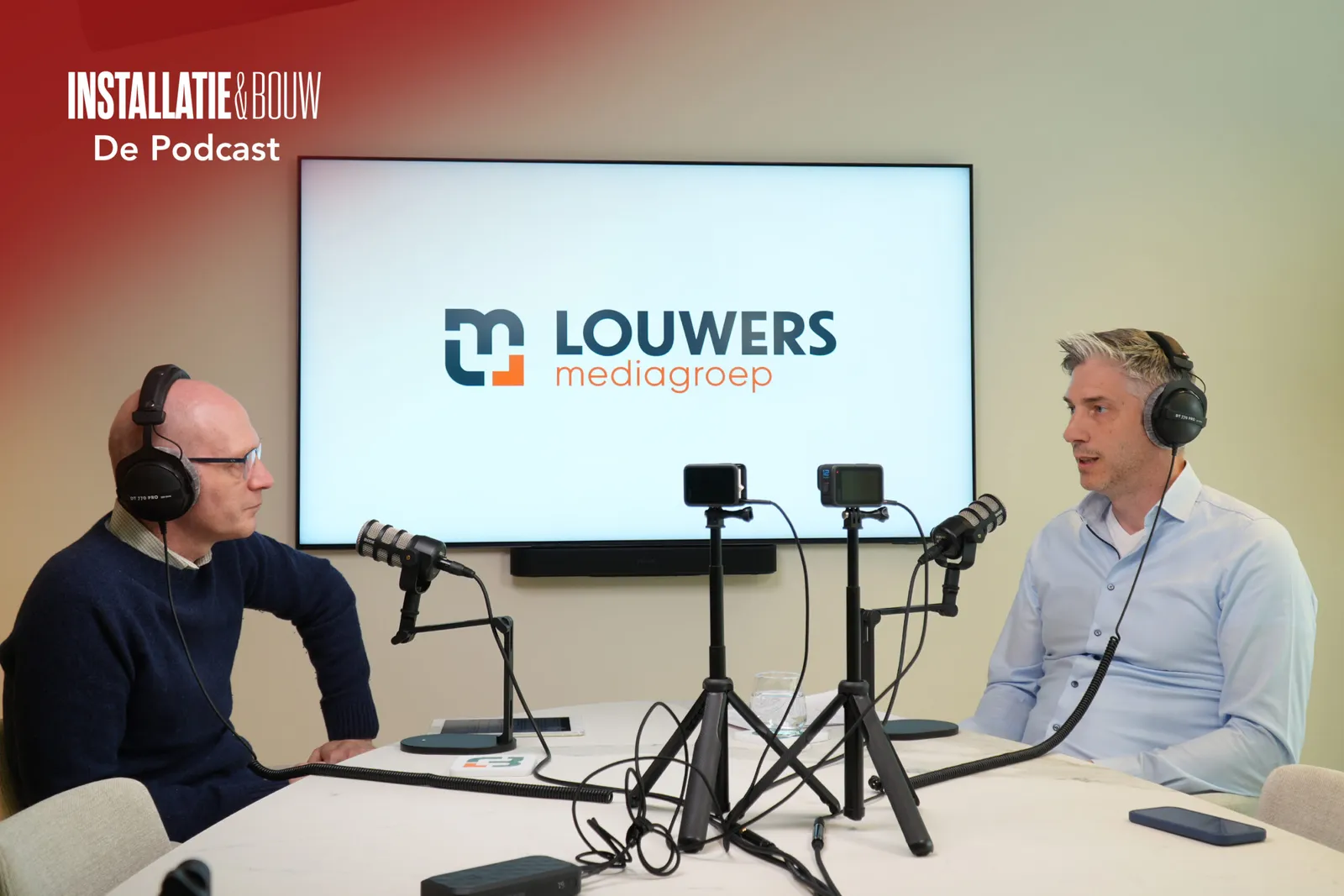
Episode 2 of this podcast series on the energy transition and smart buildings focuses on energy management. Moderator Björn Crul speaks to Henk Demaeght, Category Manager Lighting, Home & Building Automation and Datacom at Cebeo, about the role of Energy Management Systems (EMS) in homes, offices and commercial buildings.
How do EMS systems ensure that solar panels, EV chargers, batteries and heat pumps work together optimally? What impact do dynamic energy tariffs, capacity tariffs and European EPBD regulations have? And why is smart energy management becoming increasingly important for installers and construction professionals?
A practical discussion about energy management, automation, monitoring and the future of smart energy installations.

Een zakelijke vraag aan Cebeo? Get in touch
Full transcript
Alle hoofdstukken (10)
- Introducing the episode on energy management
- How an Energy Management System works
- The impact of tariffs and consumption
- How EMS systems respond to price signals
- Smart control of energy consumption
- Comfort and optimisation for the user
- EMS systems in commercial buildings
- The impact of the EPBD directives
- Training in energy management
- Cebeo Technologie at the Heizel
Introducing the episode on energy management
Björn Crul Hello, listeners, and welcome back to this podcast series on the energy transition and smart buildings. Last time, we discussed electrification and the challenges it brings for construction professionals and installers. In this second episode, we’re focusing on energy management, the smart layer that ensures different energy components work together optimally. I’m Björn Crul, and my guest is a man who knows everything there is to know about energy management: Henk Demaeght from Cebeo. Henk, welcome. In the previous episode, we talked about the different building blocks of the energy transition and where we are today. Why is it important to consider energy management when installing new technologies?
Henk Demaeght Because technology alone, of course, doesn’t solve the problem. We have major assets such as solar panels, EV chargers, heat pumps and batteries, all of which essentially operate independently. If they don’t work well together, you end up with an inefficient system and won’t make the best use of your energy or feed it back into the grid optimally. So without energy management, you’re really only investing in hardware, whereas an EMS guarantees the return on your system.
How an Energy Management System works
Björn Crul So, how does an EMS, an Energy Management System, actually work in practice?
Henk Demaeght Put simply, an EMS is a system that monitors energy and measures the energy use of all your major assets. It looks at when we can make the best use of that energy to manage our own energy, and when there’s no energy available, from the sun, for example, how we can get it from the grid as cheaply as possible.
Read the full transcriptCollapse transcriptnog 8 hoofdstukken
The impact of tariffs and consumption
Björn Crul Henk, energy management systems are only going to become more important because, of course, the more we electrify, the more our energy bills will change. What factors are affecting them today?
Henk Demaeght On the one hand, there’s our energy consumption, but it’s also very important to look at when we use that energy. Timing is going to become increasingly important in the future. We can see that in the capacity tariff and the dynamic tariff, which are both factored into the equation. We need to respond to those tariffs and align them properly. That’s what allows you to make optimal use of your EMS.
How EMS systems respond to price signals
Björn Crul And how does an EMS respond to those price signals?
Henk Demaeght It looks at the published tariffs, for example. It retrieves and compares them, but it also looks at forecasts, such as the weather. Will the solar panels generate more or less? How expensive will the energy be? Should I store it in my battery or use as much of it as possible myself? It also forecasts the user’s needs to see whether my heat pump will need more or less energy.
Smart control of energy consumption
Björn Crul So there are countless factors and a lot of data to take into account. Can an energy management system go so far as to switch on a washing machine when there’s plenty of sunshine, for example?
Henk Demaeght It can, but I’d like to add a qualification. A washing machine does use some energy, but we wouldn’t consider it a major asset. A major asset would be, for example, a battery that can store a fair number of kilowatt-hours, or a heat pump that can be controlled. You’ll get more benefit from controlling those than from managing smaller assets such as a dishwasher, washing machine or tumble dryer.
Comfort and optimisation for the user
Björn Crul When we talk about energy management systems, they’re essentially about making sure you use as much of the energy you generate yourself as possible at the right time. That saves money because you draw less energy from the grid. Are there any other benefits?
Henk Demaeght For the end user, comfort is very important. They no longer have to think about when to switch on the dishwasher or washing machine, or when to turn the heat pump up or down. And with peak pricing, in other words the dynamic tariff, your EMS automatically responds to higher energy costs. It also handles self-optimisation and similar functions. That’s another important aspect to consider in your EMS solution.
EMS systems in commercial buildings
Björn Crul So far, we’ve been talking about residential buildings. But tertiary buildings, offices and production environments also need to electrify. Are EMS systems available for those types of buildings too?
Henk Demaeght Yes, increasingly so. The approach is different for tertiary buildings. Rather than focusing primarily on how to coordinate all the assets efficiently, we look more at how to monitor the commercial building as a whole, control its HVAC system and optimise production.
The impact of the EPBD directives
Björn Crul Regulations also play a part for commercial and tertiary buildings, of course. What impact will the European EPBD directives have?
Henk Demaeght The directives will require commercial buildings to be fully monitored and, wherever possible, all the major assets, including solar panels, HVAC systems and air-conditioning systems, to be properly coordinated and integrated. That usually involves IP, API, bot and similar technologies.
Training in energy management
Björn Crul Cebeo is a trusted partner for installers. From what your colleague Hilde said in the previous episode, I understand that you’re launching a training programme for construction professionals and installers. Will energy management systems be covered too?
Henk Demaeght Yes. We’ll be looking at the bewildering range of energy management systems. By that I mean we’ll look at which system brands are used in an installation and what kind of EMS you need to manage your energy optimally.
Cebeo Technologie at the Heizel
Björn Crul And at the beginning of June, Cebeo Technologie will be held at the Heizel in Brussels. What will visitors discover there specifically about energy management systems?
Henk Demaeght We’ll have all our major partners and suppliers who focus specifically on EMS there, showcasing their products. We’ll also have several brands on our central stand, which we’ll bring together in an EMS solution for both residential and commercial applications.
Björn Crul That certainly makes the exhibition worth a visit. If you want to keep up to date, come to the Heizel in Brussels from 2 to 4 June for Cebeo Technologie. Henk Demaeght, thank you for the discussion.
Henk Demaeght Thank you.
Björn Crul In the next episode of this series, we’ll take a closer look at the importance of communication, control and monitoring, in short, connectivity. Until next time!
Companies in this story
Keep following this
Get an email when a new story is published. No account needed.
- ThemeEnergy generation and smart use
- SubjectNews
- CompanyCebeo







