“That’s why, as a market leader, we’re also investing more in training”
Text Bavo BoutsenImage Leonie Snauwaert en Schneider Electric
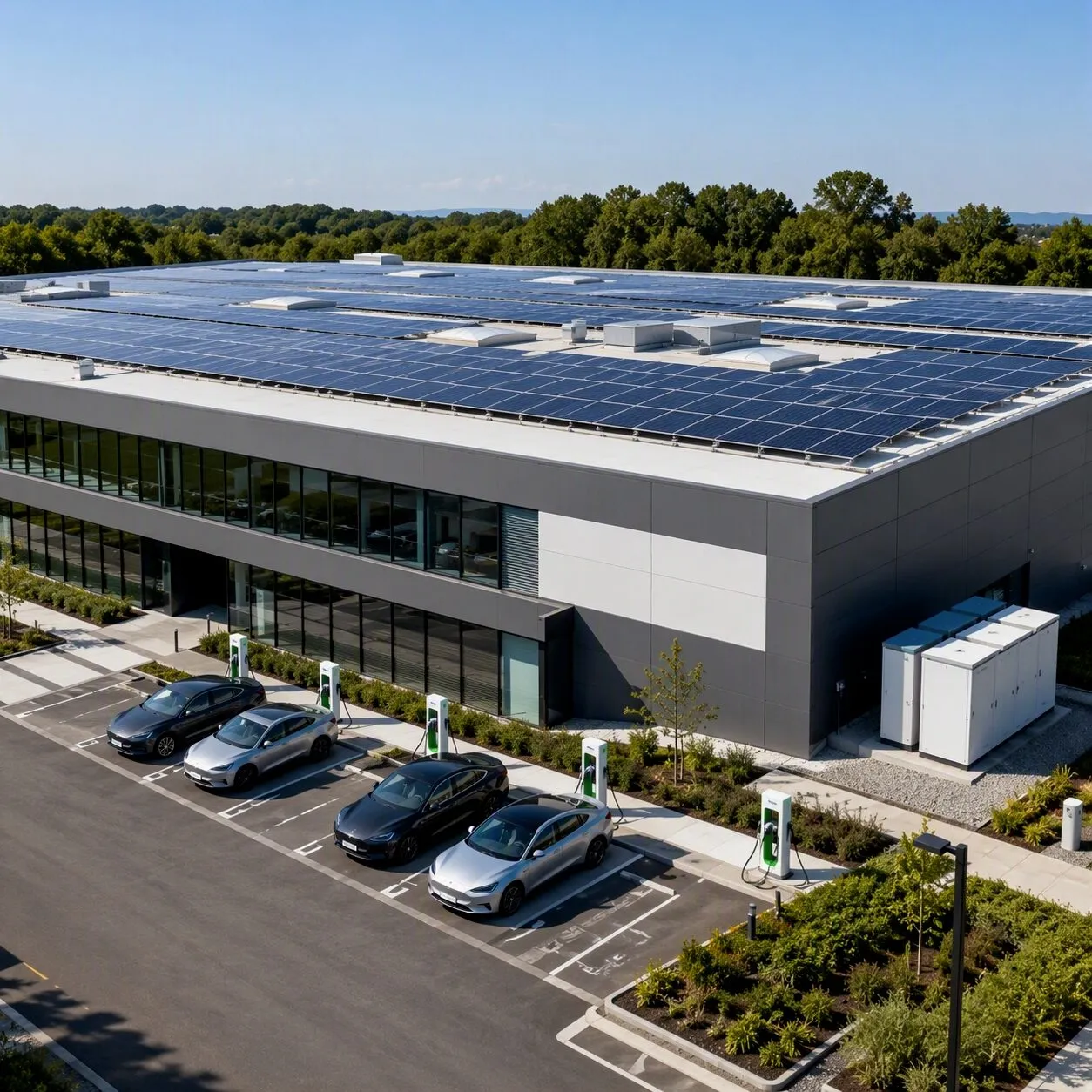
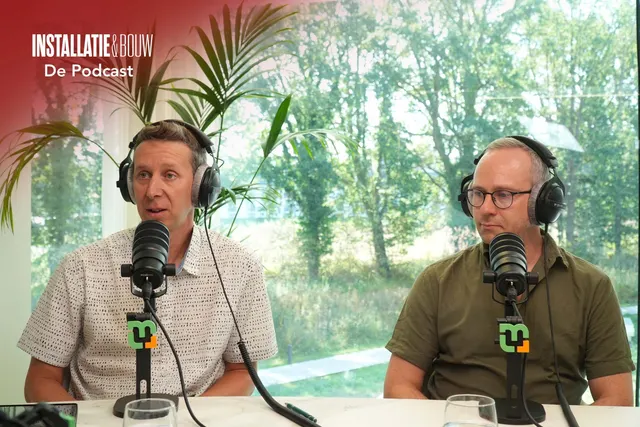
The energy transition is forcing installers and designers to rethink electrical installations. Hybrid AC/DC architectures can help make more efficient use of local energy and address the challenges we face today. But just as important is having the knowledge to design and manage these systems correctly. In a new podcast from Installatie & Bouw, we explore this issue in more detail with Koen Rowies, sales specialist digital power at Schneider Electric, and Yannick Van den Broeck, energy and climate expert at Voka.
The figures speak for themselves: electrification across Flanders’ business community is accelerating sharply. Production processes are going electric, fleets are following suit, and more and more companies are investing in solar panels, batteries and charging infrastructure. However, this trend is putting increasing pressure on available grid capacity. Grid congestion has therefore become a real economic problem. “Although there has been a slight improvement in recent months, mainly because grid operators are working on flexible solutions,” says Yannick Van den Broeck, energy and climate expert at voka.
An economic and technological issue
In 2026, energy is increasingly a business economics issue. It is not just how much electricity a company needs that matters, but also when it uses it, where it is generated and how much can be stored locally. Flexibility can temporarily create additional capacity: companies that better align their consumption with available capacity can help ease pressure on the grid, but of course this is no panacea,” Yannick Van den Broeck continues.
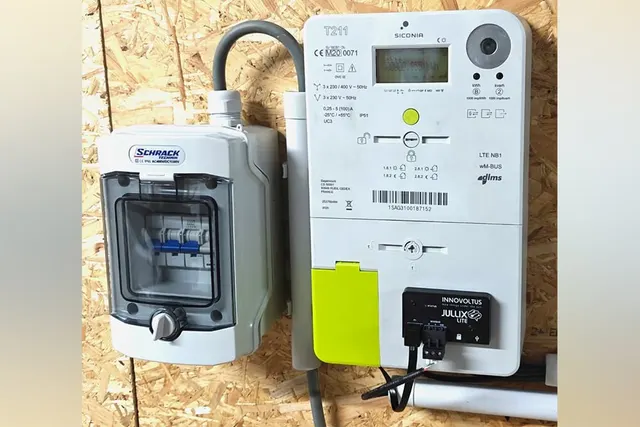
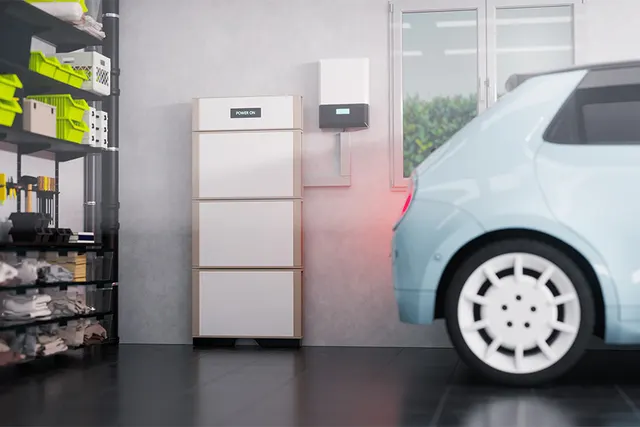
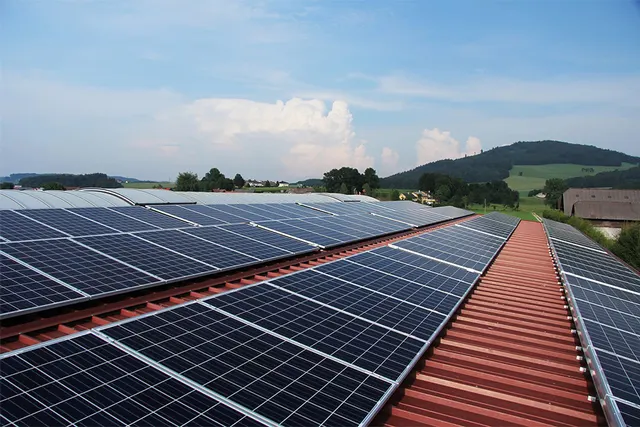
A less widely discussed, but no less important, aspect of this shift is its impact on technical installations. “For a long time, we operated in a world where alternating current was the obvious standard,” explains Koen Rowies of Schneider Electric. Today, however, many new energy components use direct current internally. Solar panels generate DC, batteries store energy as DC, and electric vehicles, IT equipment and power electronics also use direct current internally.
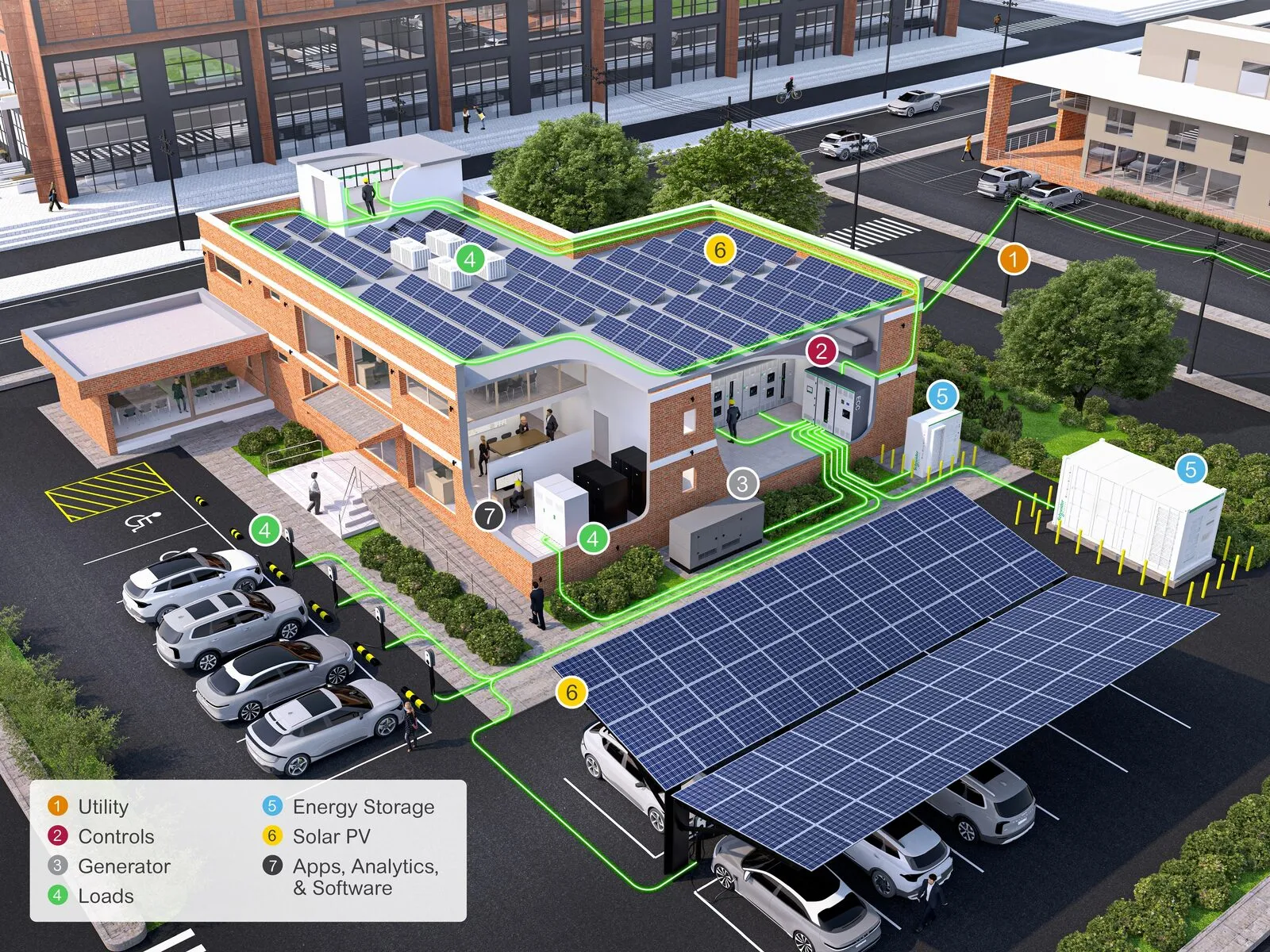
As a result, in conventional installations, this energy is often converted between AC and DC several times. Each conversion causes losses, heat generation and the need for additional components. “A hybrid AC/DC architecture aims to handle this more logically. It doesn’t mean doing away with alternating current. AC remains in place where it is technically the best option, while a DC layer is added where generation, storage and consumption can be connected directly using direct current,” Koen Rowies continues. “This approach can be particularly interesting at sites with a lot of solar panels, batteries, charging points or digital infrastructure.”
A new role for the installer
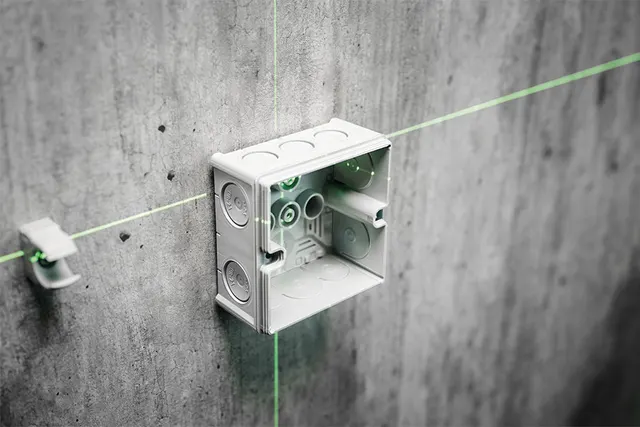
This is also changing the work of installers and engineering consultancies on the ground. An electrical installation is becoming less a collection of separate components and more a single energy system. Installers are therefore increasingly taking on the role of system integrator or energy architect. They need to understand how generation, storage, charging infrastructure and consumption interact, and how to control these different flows.
Building knowledge of this new reality is therefore crucial to the success of the transition. “That’s why, at Schneider Electric, as a market leader, we’re also investing more in training and have developed, among other things, an online introductory course on AC/DC,” concludes Koen Rowies. “It is designed to familiarise professionals with the basic principles, applications and considerations of hybrid architectures. The point is not that every installation will now need a DC layer. Rather, it is becoming increasingly important to consider the entire energy flow at the design stage.” After all, anyone designing a building or industrial installation today is also determining for years to come how flexibly it can respond to a rapidly changing energy landscape.
Spotify Embed: Hybrid AC/DC architectures offer a response to grid congestion and electrification
Een zakelijke vraag aan Schneider Electric? Get in touch
Companies in this story
Keep following this
Get an email when a new story is published. No account needed.
- ThemeThe installer of tomorrow
- SubjectElectrical
- CompanySchneider Electric