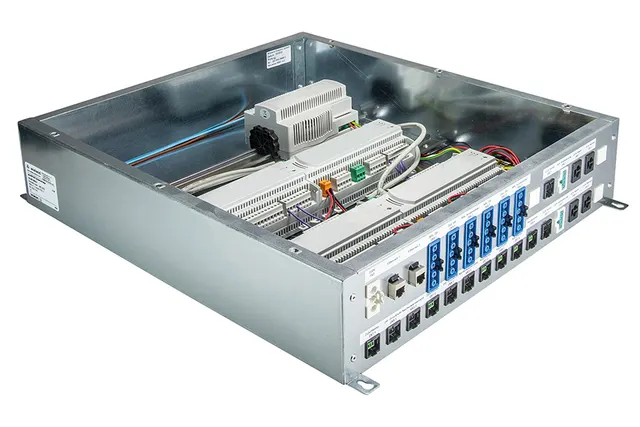
Connecting a large number of charging points with a single power cable
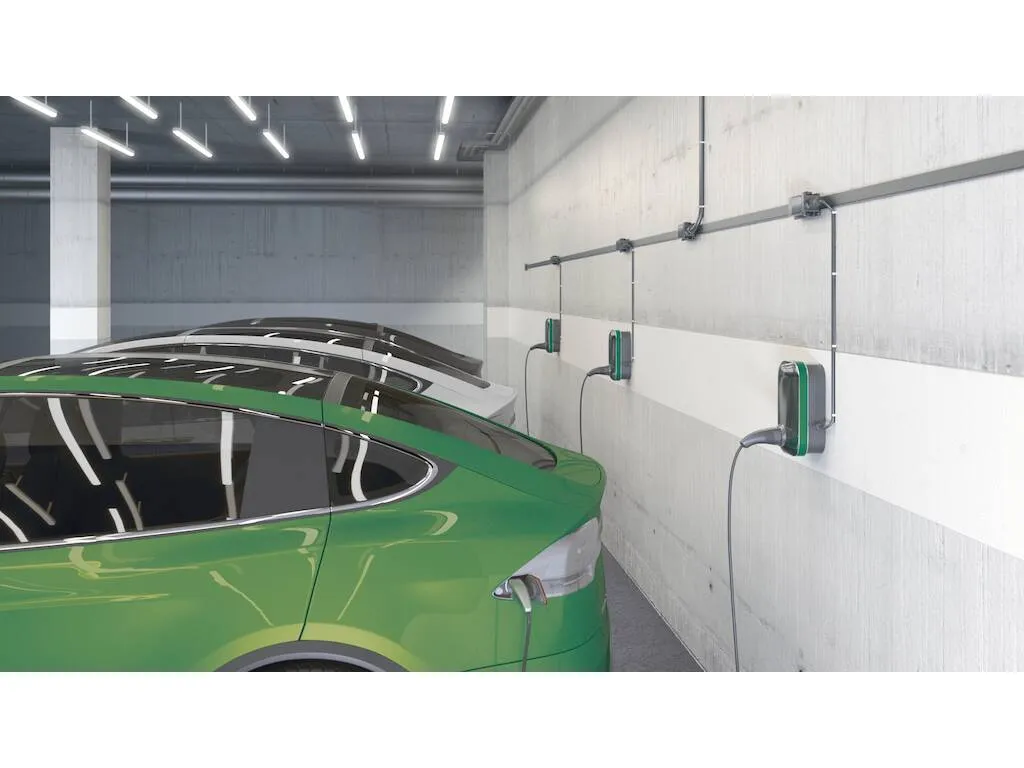
As electric vehicles gain ground, the need for efficient charging infrastructure is also growing. With podis®, Wieland Electric offers a simple, error-proof, flexible and aesthetically sound solution.
The podis® system enables building managers to save time and avoid errors. Its flexibility also makes it easy to expand the charging infrastructure at a later stage.
Atem was founded as a distributor of electrotechnical products in 1946 and has been owned by German global player Wieland Electric since 2013. Today, Atem is effectively Wieland Electric’s Belgian division. The aim is to combine the strength of a large, internationally renowned player with a local presence and excellent service, says Koen Notelaers, Sales Director Building Solutions BeLux at Wieland Electric: “We offer a high-quality range, made in Germany, and provide good local service and expert support. This is essential because every country has its own standards, legislation and practices. A system that works perfectly in Germany is not necessarily suitable for the Belgian market,” says Notelaers. The experts at Wieland Electric naturally keep a close eye on developments in the electrotechnical sector. They have also noticed how rapidly technology for electric vehicles is evolving. “This is a market that will continue to grow,” says Erik Sunaert, Building Project Manager at Wieland Electric. “In new office buildings, it is becoming standard to provide space for electric vehicles. Sometimes for two vehicles, sometimes for twenty.”
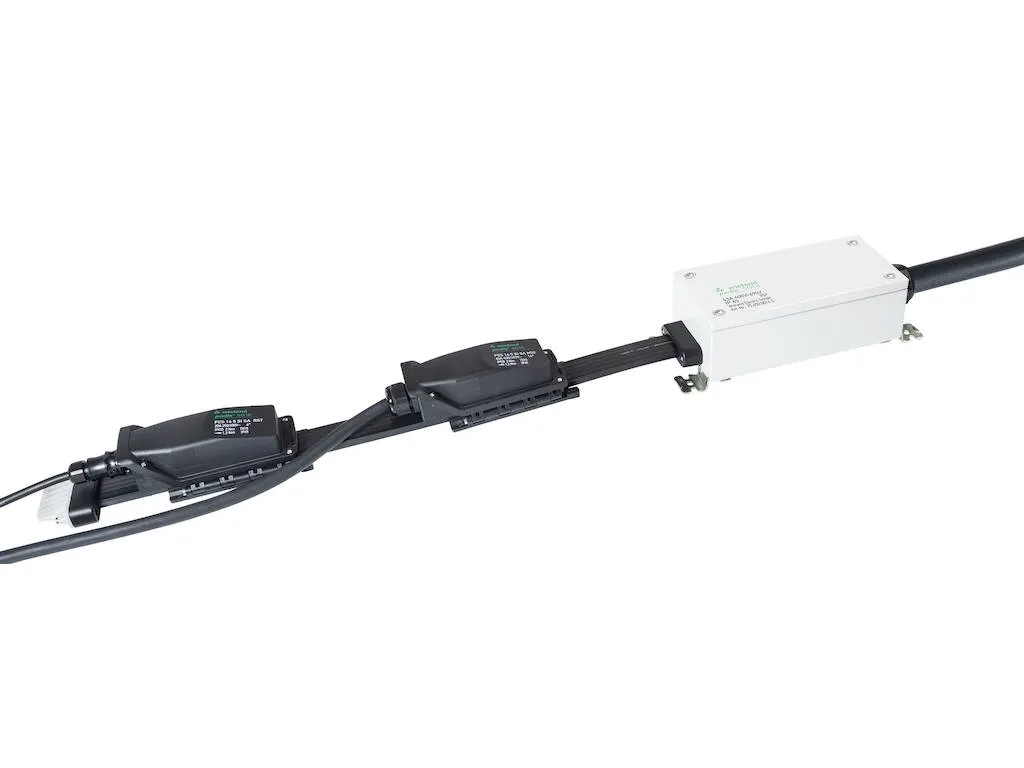
One power cable
The infrastructure, including the essential charging points in underground car parks, needs to keep pace too. Wieland Electric can help with this. Energy needs to be delivered to charging points quickly and efficiently. Wieland Electric’s flexible, decentralised podis® power bus system with flat cable can do just that. Sunaert: “Rather than running separate power cables to individual charging points, podis® makes it possible to connect a large number of them using just one power cable.” Installing podis® requires neither cable trunking nor wire cable tray. The entire installation can simply be fixed to the wall. The insulation-piercing contacts in podis® components allow connection modules to be positioned quickly and flexibly wherever required. Sunaert: “The logical layout also reduces cable use. With copper surcharges continuing to rise, this offers a cost advantage.”
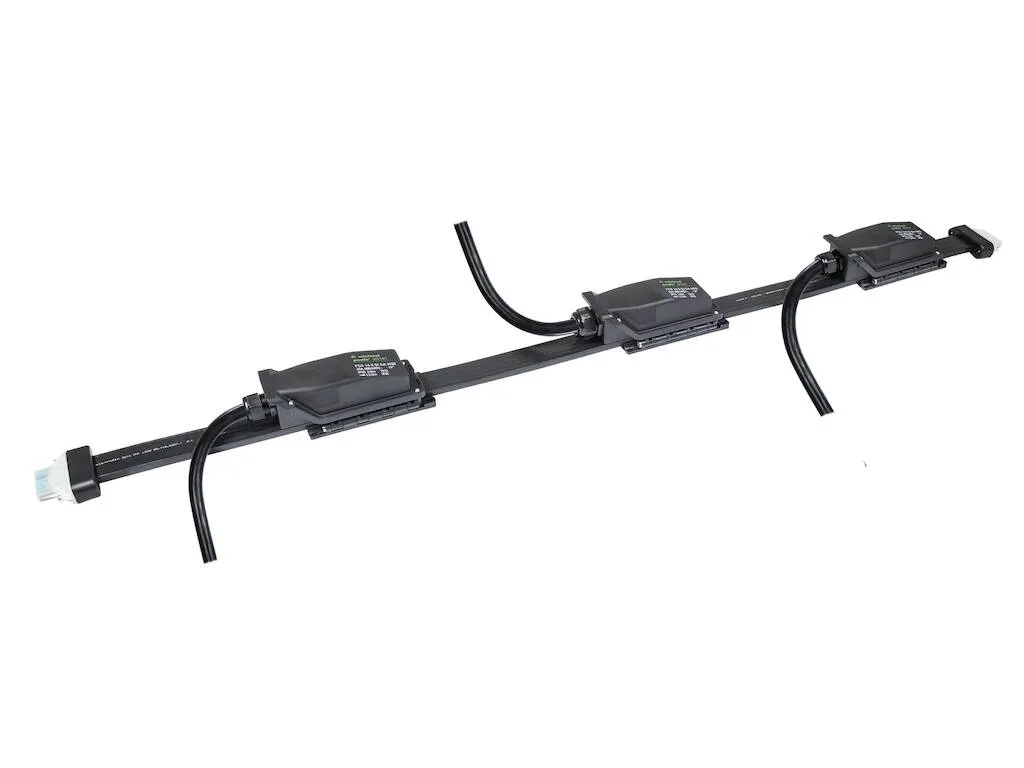
Quick, neat and correct
Flexibility is the key to the podis® system. “It is easy to add an extra connection quickly, without the need for extensive cabling. Using a conventional junction box would take much longer and increase the risk of errors. Podis® ensures a fast, neat and 100% accurate connection,” says Sunaert. The profile coding in the flat cable significantly reduces the risk of errors. “Mechanically, it is almost impossible to connect the cables incorrectly. The system prevents mistakes, which is a major advantage on large construction sites.” At a later stage, the system can be linked to software that ensures efficient distribution of energy across the charging points. Notelaers: “This allows the system to take account of the status of each battery: is it 90% charged, or only 5%? You can also specify how long the vehicle will remain on site. A car that needs to be ready to drive away again in half an hour requires full power, unlike one whose driver will be in the office all day.”
Een zakelijke vraag aan Atem NV? Get in touch
Companies in this story

Keep following this
Get an email when a new story is published. No account needed.
- ThemeElectrical infrastructure under pressure
- SubjectElektroTech
- CompanyAtem NV