Can debate and policy focus on what matters most?

The answer for energy is clear: invest heavily in solar and wind!
The latest IPCC report[1] includes an important chart. It sets out which measures in several key policy areas will make the greatest contribution to climate action. For energy, the answer is clear: invest heavily in solar and wind!
Surprising? It is if you look at what has dominated public debate in recent years. Every serious study[2] examining the techno-economic potential reaches the same conclusion: by 2050, around 90% of our energy system, which is far broader than the electricity system alone, will consist of renewable energy.
From a purely technological perspective, society could run entirely on nuclear energy or hydrogen. We may even be able to perfect the technology needed to make fossil energy climate-neutral by capturing and storing or reusing CO2 on a massive scale. But all these ‘solutions’ have one thing in common: they are impossible to finance. The only realistic, available and affordable solution for making our society climate-neutral is renewable energy. We cannot wait for innovations to appear out of nowhere, because the climate problem gets worse every day. So we need to act now. Because what will really prove unaffordable is doing nothing. Just ask the insurance sector.
Anyone following the debate on energy on social media might find this hard to believe, because you often read that renewable energy alone will not be enough. But this assumption overlooks a few things. Moving away from fossil fuels for heating and transport, for example, brings enormous efficiency gains. Burning 1 kWh of natural gas in a central heating boiler produces around 1 kWh of heat. Put 1 kWh of electricity into a heat pump and you get between 3 and 5 kWh of heat. So even if that electricity comes from a gas-fired power station, it is good for the environment! There is therefore less contradiction between building gas-fired power stations to complement renewable energy and banning fossil fuel heating than might first appear.
But solar and wind are variable, so they are not always available when we need them, are they? That is true, but we have solutions. We need to encourage demand-side flexibility to manage this variability. Millions of electric vehicles will soon be on the roads, but will spend much more time parked than driving. These batteries on wheels are ideal for storing peaks in solar and wind generation. The next generation will even be able to feed some of their stored electricity back into the grid. This is known as vehicle-to-grid.
And that is where installers come in. They are the ones who will ensure that all those solar panels, heat pumps, heat networks, EV chargers, energy management systems, home batteries, and more are installed correctly. Installers are also increasingly becoming advisers, bringing the energy transition directly into people’s homes. Sustainable technologies are the future, and they need sustainable installers.
[1] Intergovernmental Panel on Climate Change, IPCC AR6 SYR, page 69
[2] Regardless of whether the source is the IEA, Energyville, the Federal Planning Bureau, Elia, the European Union, an NGO such as Ember, etc.
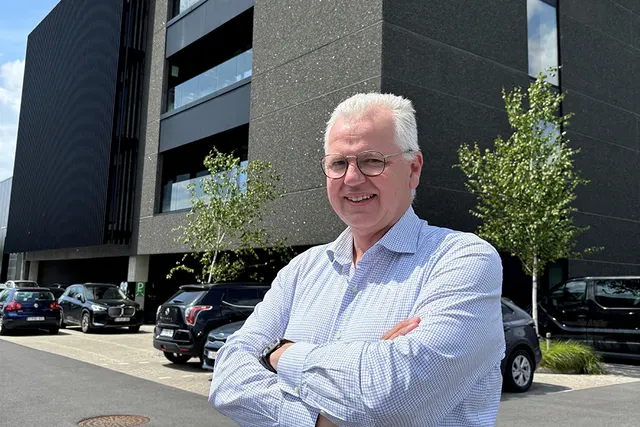
Dirk Van Evercooren,
Managing Director at Organisatie voor Duurzame Energie
Question about this story? Ask your question
Keep following this
Get an email when a new story is published. No account needed.
- SubjectThe pen