ETS2 will affect energy bills, but policy can help limit the impact

In 2027, Europe will introduce a second emissions trading system, the European Union Emissions Trading System 2 (EU ETS2), to further reduce greenhouse gas emissions and accelerate the transition to renewable energy. The system specifically targets emissions from buildings and road transport, complementing the existing EU ETS1 emissions trading system, which has been in place since 2005 for heavy industry, energy companies and aviation. Some of the ETS2 revenue will go towards supporting vulnerable groups through the energy transition. For VITO/EnergyVille, I wrote a position paper explaining ETS2 in more detail and suggesting additional policy measures for a socially fair energy transition. In this contribution to De Pen, I am pleased to summarise its key points.
Europe aims to reduce greenhouse gas emissions to net zero. To achieve this, it established an emissions trading system in 2005, the European Union Emissions Trading System, or EU ETS1 for short. This requires electricity producers, airlines and energy-intensive industries such as steel, cement, chemicals, refining and paper to pay for their greenhouse gas emissions.
Road transport and the use of fossil fuels to heat buildings, both also responsible for substantial emissions, have so far been excluded. In 2027, Europe will address this with EU ETS2. Specifically, suppliers of fossil fuels such as natural gas, heating oil, petrol, diesel and propane will have to buy ETS2 allowances for every tonne of CO2 emitted by the sale of a litre of fossil fuel. Ultimately, this cost will be passed on to the customers of those fuel suppliers, as suppliers will simply factor the cost of the allowances they buy into their prices.
This will mean higher prices at the pump or on energy bills for households and businesses that still heat with natural gas or heating oil and have petrol or diesel cars or fleets. For households, the total could amount to several hundred euros a year, and for businesses, considerably more. The ETS2 price may also be reflected in the cost of other goods and services if their producers buy large quantities of fossil fuels and pass on the cost. To ease the social impact, some of the ETS2 revenue will go to the Social Climate Fund, which will support vulnerable households and businesses through the energy transition.
However, more policy measures are needed than the introduction of ETS2 to facilitate the transition to a climate-neutral economy and keep it affordable for everyone. We therefore make several recommendations to Europe and national and local governments:
1. Keep energy affordable through smart policy choices: the economic impact of ETS2 on businesses and households can be limited by measures that promote energy efficiency and the switch from fossil fuels to renewable energy sources. Without additional policy measures, the ETS2 price could rise significantly in future, as we will continue to use fossil fuels while supplies become scarcer. A key measure is a tax shift that makes electricity cheaper and fossil fuels more expensive. Lower electricity excise duties would encourage households and businesses to switch more quickly to heat pumps and other sustainable solutions.
2. Take action today: if Belgium fails to meet its climate targets, it will have to buy expensive emissions allowances. This could cost billions of euros, on top of the investment in energy saving and renewable energy that will be needed anyway to achieve climate neutrality by 2050. The sooner these investments are made, the lower the overall costs for households and businesses. They will also create jobs, improve air quality and living conditions, and reduce healthcare costs.
3. Use ETS2 revenue to provide long-term support: funding from the Social Climate Fund can be used not only for temporary assistance to vulnerable households and businesses affected by rising fossil fuel prices, but also to support sustainable measures such as home renovations and affordable public transport. This will reduce dependence on fossil fuels and make households and businesses less vulnerable in the long term.
4. Communicate clearly and in good time about ETS2: citizens and businesses need to be informed in good time about rising fossil fuel prices resulting from the forthcoming carbon levy, so they can prepare by investing in renewable energy.
In short, ETS2 is a necessary instrument in European climate policy, but only in combination with complementary policy measures can it truly drive an affordable and socially fair energy transition.
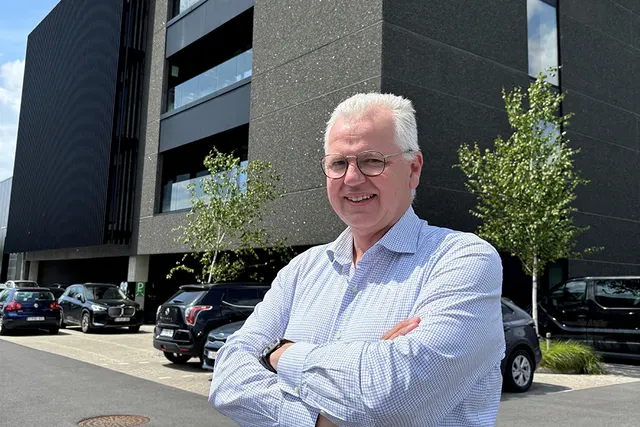
De Pen: Bright Adiyia, team manager at VITO Polaris
Question about this story? Ask your question
Keep following this
Get an email when a new story is published. No account needed.
- SubjectThe pen