











Building and renovation trends
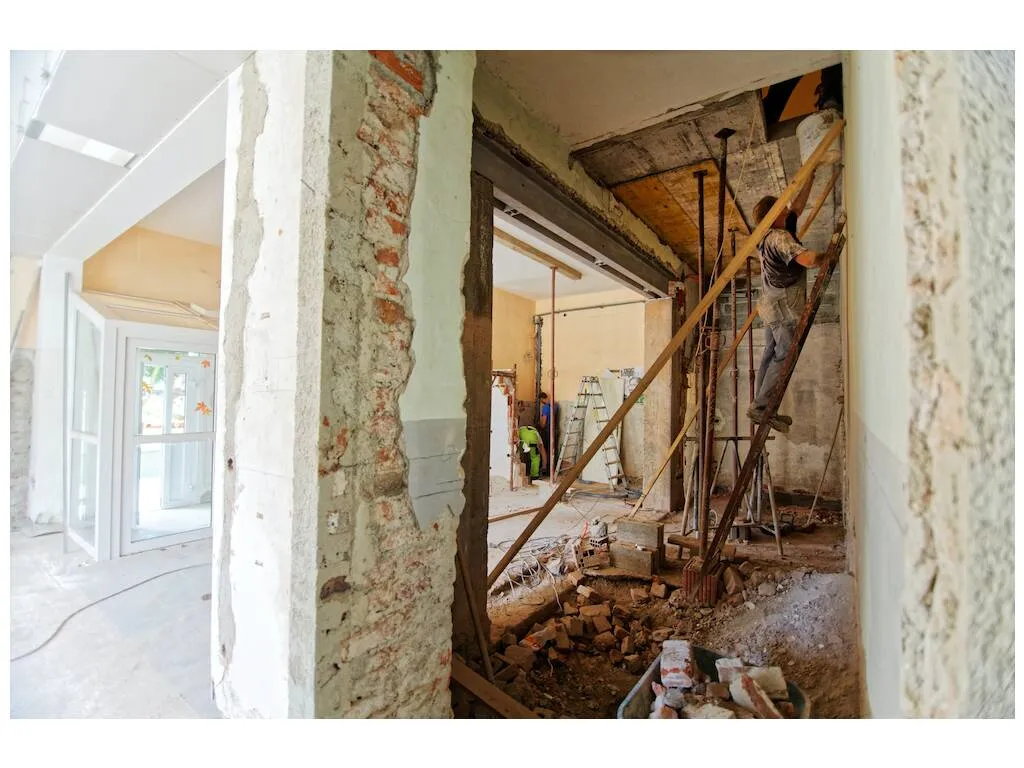
Who is today’s home builder or renovator? What concerns them and how do they make their choices? In a digital round-table discussion, a number of key players in the construction sector, together with marketing agency Essencia, exchanged views on these questions. How do they see the evolving market, and how can they respond effectively? What are the opportunities, bottlenecks and challenges? ArchiComm joined the discussion, curious to hear new insights into yesterday’s and today’s housing market, and especially the market of tomorrow.
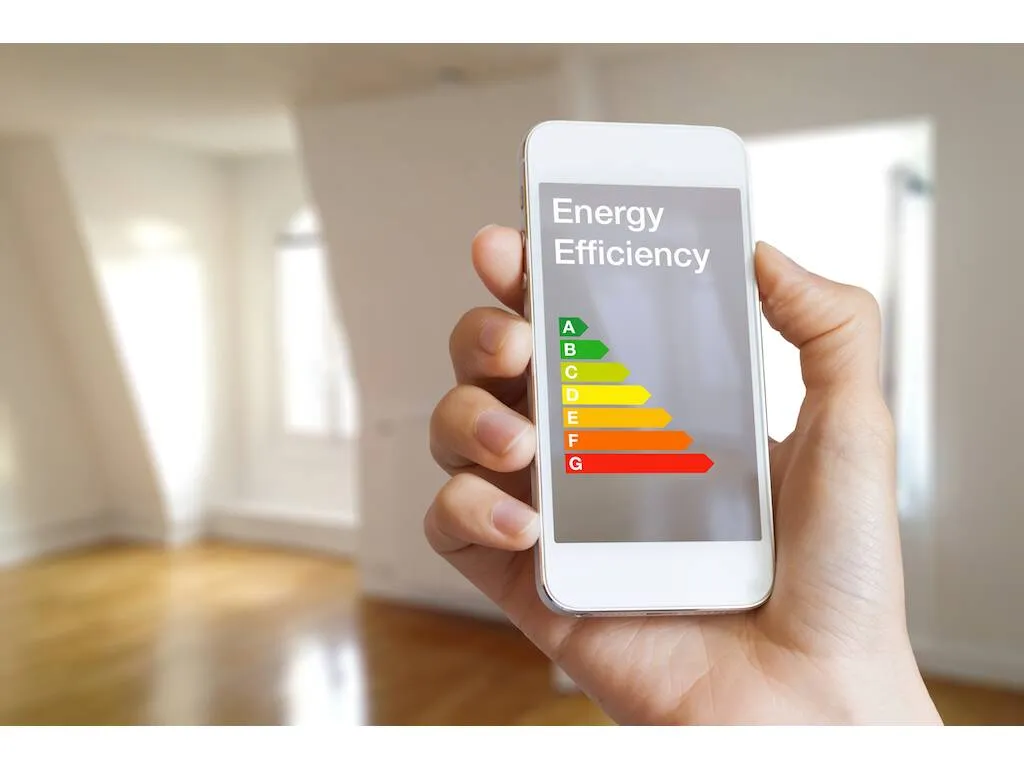
Four topics were examined: the changing housing market, new types of housing and ways of using homes, smart homes, and finally sustainability, including attention to EPB requirements and circular construction. What emerged? Despite Belgians still having a brick in their stomach, more homes are now being built for the market than by the market. Belgians looking for a newly built home are increasingly turning to property developers and group housing. Those who do build or renovate themselves are notably better informed and more involved than before. Smart homes are a hot topic, although there is still plenty of potential. And while we are certainly moving in the right direction on sustainability, there is still much to do, particularly in the renovation market.
A housing market in flux
The first figure highlighted is the current ratio of residential new-builds to renovations, expressed as a number of buildings. It is approximately 50:50, a ratio that has remained more or less stable over the past 18 years. Looking at the ratio by number of homes, newly built residential properties account for the majority, at 62 per cent. Project developers are increasingly involved in delivering these new homes, including through group housing schemes. In terms of housing type, detached homes are losing ground to semi-detached and terraced homes. Notably, detached homes held their ground in 2020 and even gained slightly, which can be attributed to the pandemic and the desire for more space and a garden. Nevertheless, the overall trend is for Belgians to live in smaller homes, albeit with high expectations in terms of comfort.
Comfort and quality come first
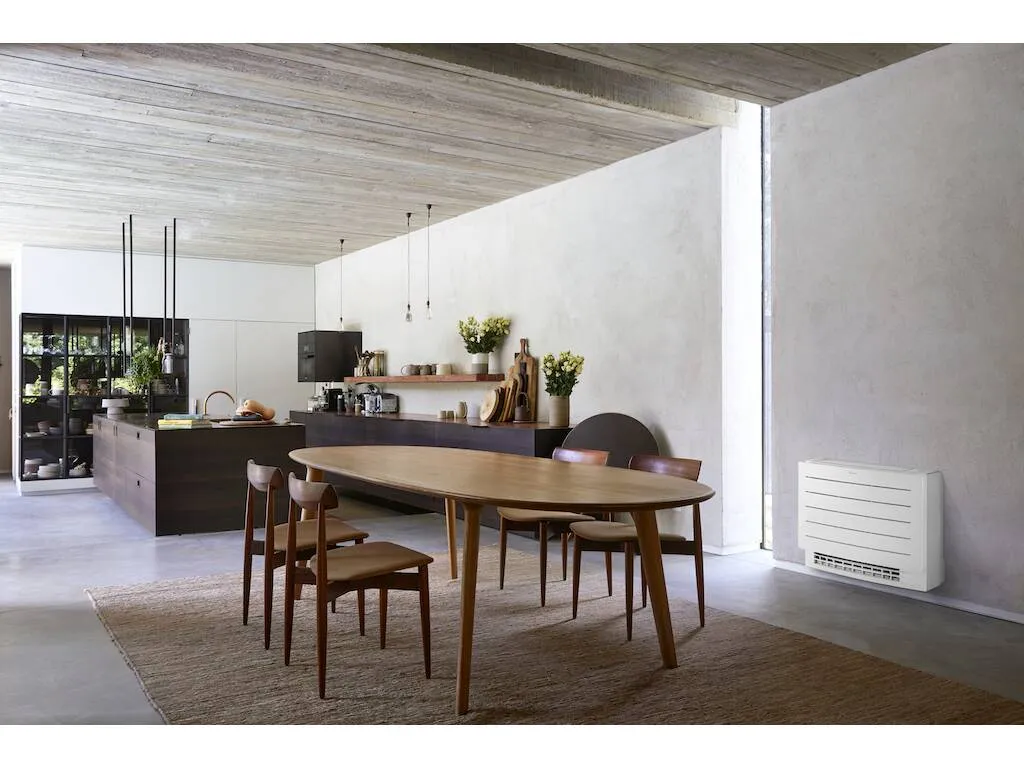
In both new-builds and renovations, Belgians are placing greater importance than ever on personalised, high-quality products and solutions. Lieven Verstaen of Daikin says: “In the new-build market, we are indeed seeing a clear shift towards the projects division. But among private individuals building, and especially renovating, we are also seeing growing interest in well-considered solutions, with quality taking priority. We have also recorded strong growth in the renovation market, particularly in interest in multi-split systems. Why? Three hot summers, and the impact of Covid, which saw people spend their travel budgets on upgrading their homes.” Daikin has also noted greater attention to indoor air quality and demand for active filtration, also driven by Covid. “The desire for comfort remains strong, even in the bathroom of a more compact home,” confirms Pascale Curias of FACQ. “And Belgians are more willing than ever to invest in it.”
The customer journey starts online
How involved is the average Belgian still in building or renovating their home? Frank Gyzels of Sto says: “Consumers are more involved than ever in overseeing their homes, in consultation with their architects.” Velux has seen the same: “People first look for information online, including on various construction platforms. But afterwards, they still want to consult an expert to confirm their findings.” In other words, the customer journey increasingly starts online. Sabine Merlevede of Wienerberger says: “This means our showroom advisers are getting more specific questions, not just about aesthetics but also about technical aspects.” In summary, the home builder or renovator of 2021 is notably more involved in the building or renovation process, well informed and consequently increasingly demanding. This is something construction professionals can no longer ignore and must be prepared for.
In search of light
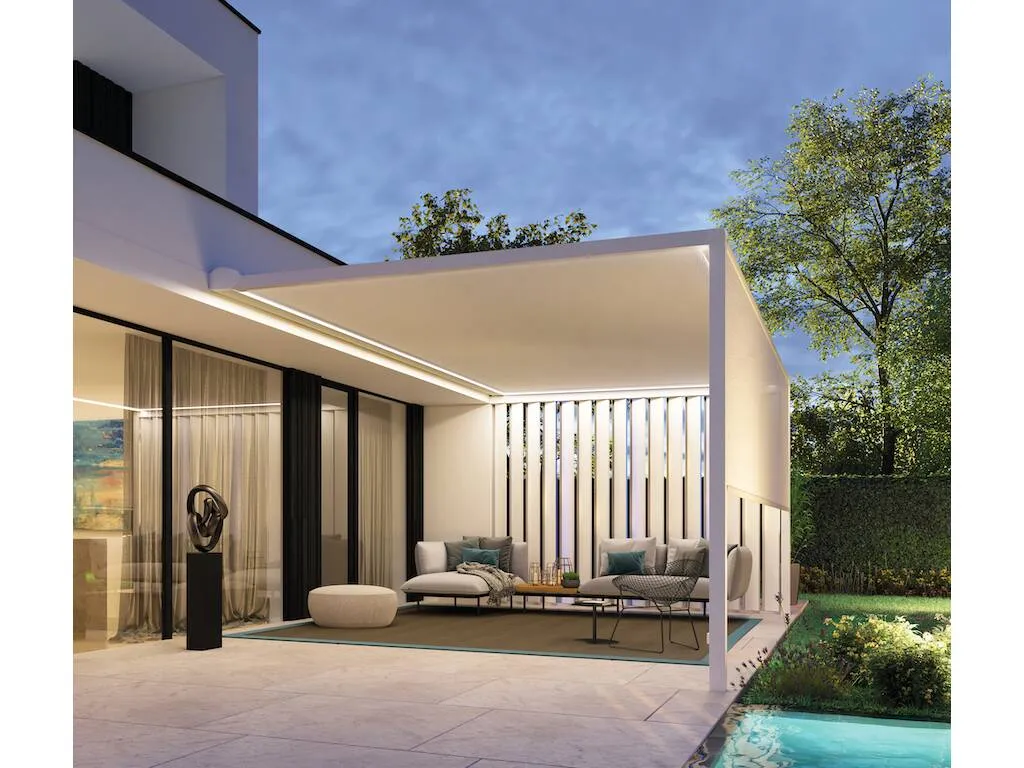
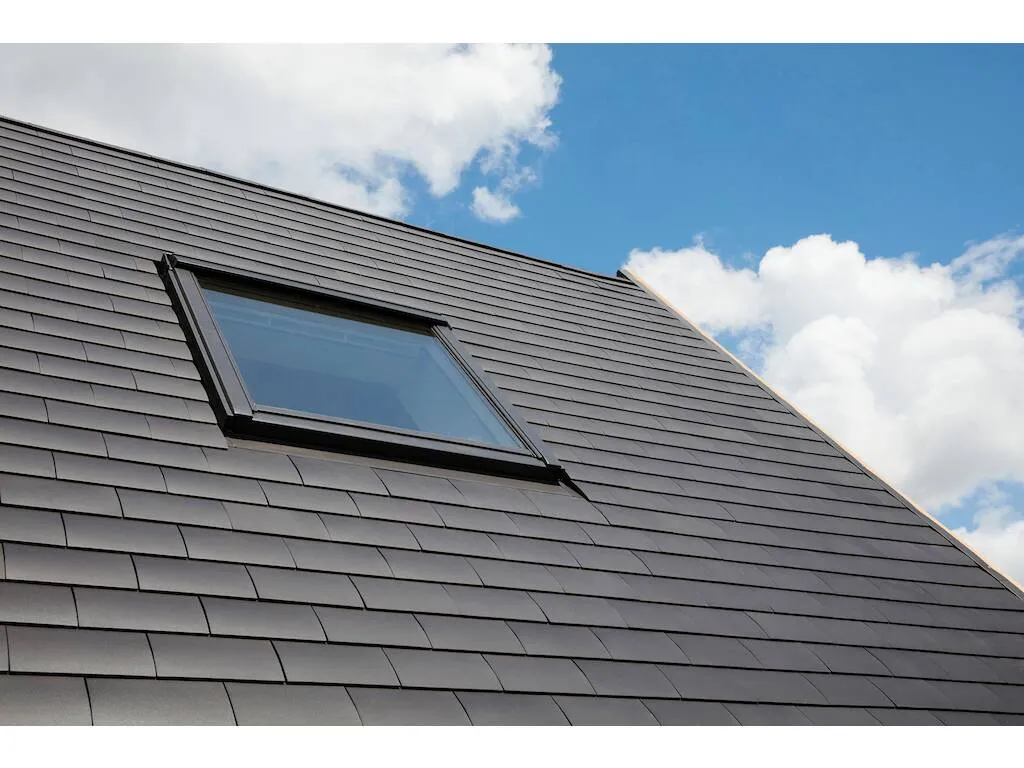
Comfort matters, not only in the home but also in the garden. Bart Van Hal of Husqvarna says: “The garden is more than ever part of the home experience, and the available space is being used more efficiently.” The boundaries between indoors and outdoors also seem to be blurring further. To begin with, demand is growing for pergolas and patio covers. Johan Lisabeth of Winsol says: “The outdoors is being brought inside more. People are constantly looking for light in their homes. It is all about optimising the sense of space. Large expanses of glazing with slim profiles are on the rise, combined with optimum comfort.” Yves Sottiaux of Velux agrees: “Today, people are more likely to opt for two roof windows rather than one in the bedroom. That is why Velux is launching a new product: the 2-in-1 window, with two windows in one frame.” This demand-led innovation responds to the need for more light and, consequently, greater living comfort.
The digital (r)evolution
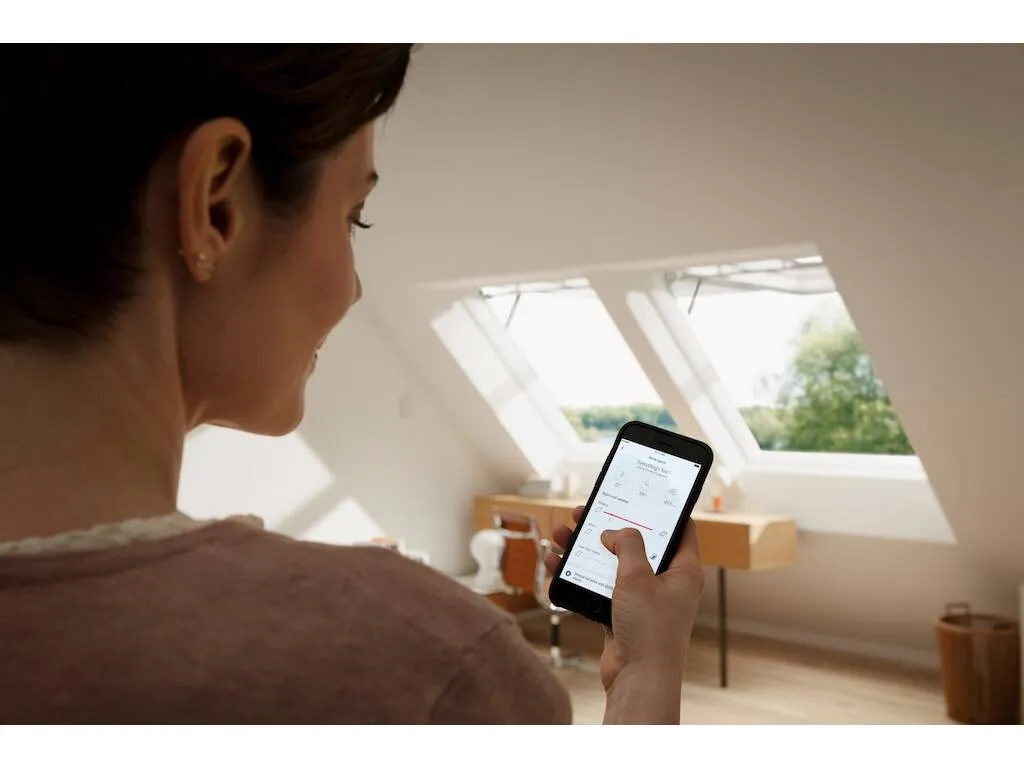
How smart is the home in 2021? According to a study by Essencia, the share of home automation in the renovation market is growing every year, but remains relatively low overall. ❯ As many as 46 per cent of Belgians believe home automation offers too little added value. It is too expensive for what it is. Of all respondents who did opt for home automation, 74 per cent did so for comfort. Only 27 per cent chose automation and home automation to save energy. And that is where many opportunities and challenges remain. “An energy transition is impossible without this digital revolution,” says Daikin. Lieven Verstaen: “Connectivity will certainly play an important role in the decision-making process of the 30-year-old home builder or renovator, who has grown up with smartphones and apps. And although the choice is currently still driven mainly by comfort, the wider rollout of smart meters will change that. Home automation will increasingly be used to avoid power peaks.” Pascale Curias of FACQ says: “There is already real interest in platforms for water management and saving, allowing everything to be controlled from a single central point.” Alongside the energy benefits, comfort remains an important factor, and there are still many opportunities in this area. Essencia points to smart lifts that can help make homes adaptable throughout life. Groceries ordered and delivered by the lift to the right floor while the delivery driver is already on their way to the next address? That is just one example.
Energy-conscious renovation
How energy-conscious is the average Belgian? Around 34 per cent say they renovate to modernise. Only 18 per cent do so to save energy. And just 7 per cent of homeowners know their home’s E-level. Frank Gyzels of Sto says: “Around 60 per cent of the existing housing stock is poorly insulated. When you consider that an average household emits 15 tonnes of CO2 to heat its home, the impact is significant.” When the general public were asked what they thought about energy performance, 45 per cent believed that investments to improve it would deliver more than they cost. Notably, this figure was still 51 per cent in 2012, so it is falling. In other words, the average Belgian is less convinced of the benefits of investing in a more energy-efficient home. There is still work to do.

Circular construction
According to Essencia, little data is available on circular construction. A survey of buyers at large construction companies found that working with circular building materials remains difficult today. That has not stopped manufacturers from conducting extensive research. Daikin, for example, is working on recovering refrigerants. Wienerberger is developing lime mortars that make it easier to dismantle and reuse facing bricks. It is also researching an innovative dry-stacking system. Sabine Merlevede of Wienerberger says: “Private individuals are still somewhat less concerned about it, but once the legislation and policy are in place, consumers will also be more likely to choose sustainable products made according to circular principles.” Bieke Gepts of Essencia says: “A great deal is happening at European level around ‘the footprint of the building’. It is certainly conceivable that, in future, buildings will be assigned not only an E-level but also an ecological rating, determined by the sustainability of the materials used.” Manufacturers are willing, but lawmakers still have a role to play. All the partners agree on this conclusion. With thanks to Daikin, Sto, Husqvarna, FACQ, Wienerberger, Velux and Winsol.
A business question for Daikin Europe? Get in touch
Companies in this story
Keep following this
Get an email when a new story is published. No account needed.
- SubjectNews
- CompanyDaikin Europe
- CompanyFACQ







