From building to unburdening: the installation sector takes on a new role
DE BOUWTOP 2026 puts innovation, collaboration and life-cycle thinking centre stage
The construction and installation sector is facing a far-reaching transformation. New technologies, changing business models and growing attention to the entire service life of buildings offer opportunities, but also call for a different way of working together.
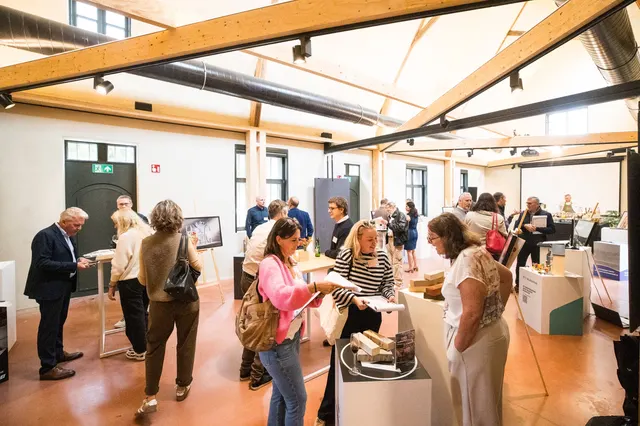
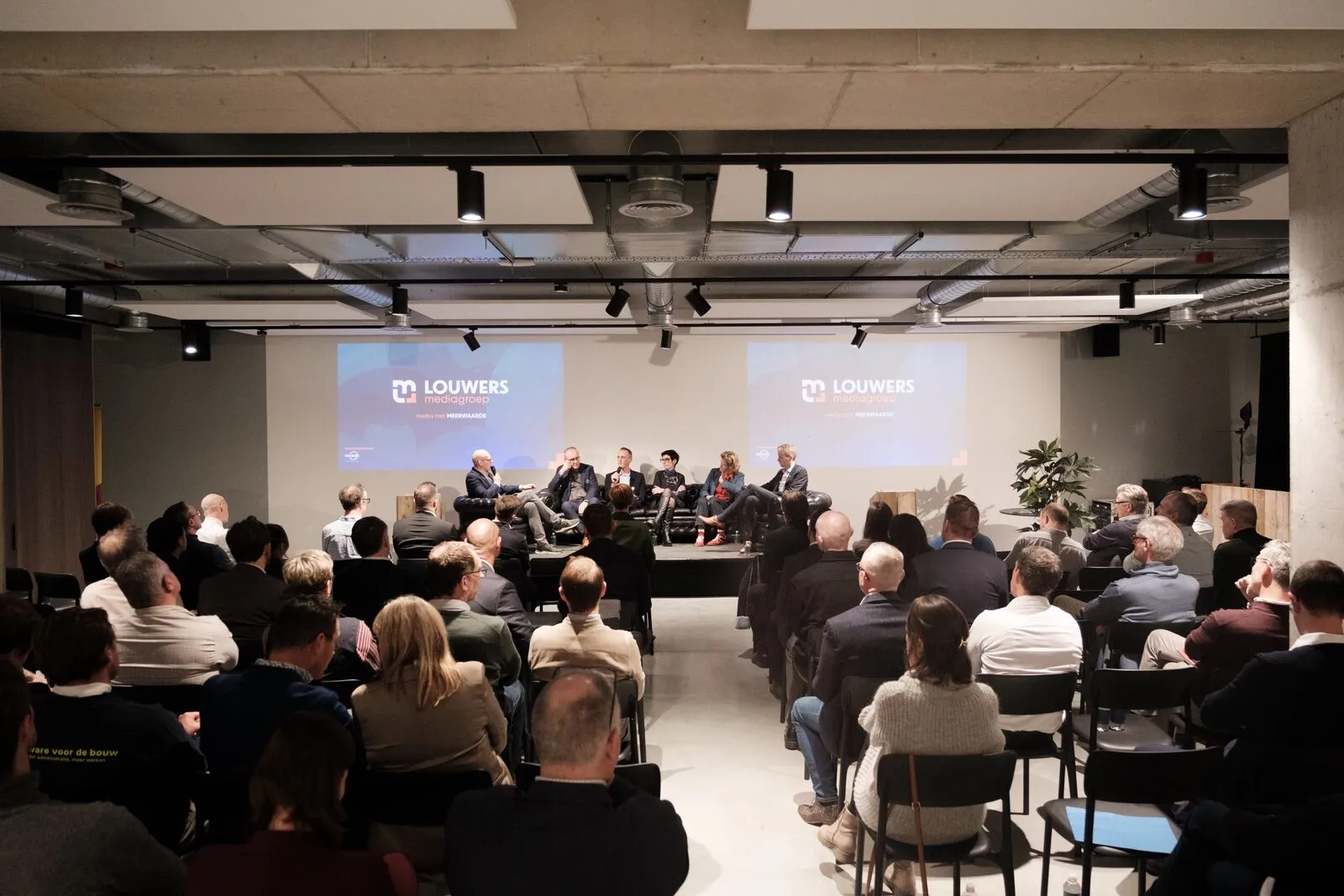
At DE BOUWTOP 2026, held on 19 November in Oostkamp, representatives of five sector organisations discussed the challenges and future prospects.
Looking beyond handover
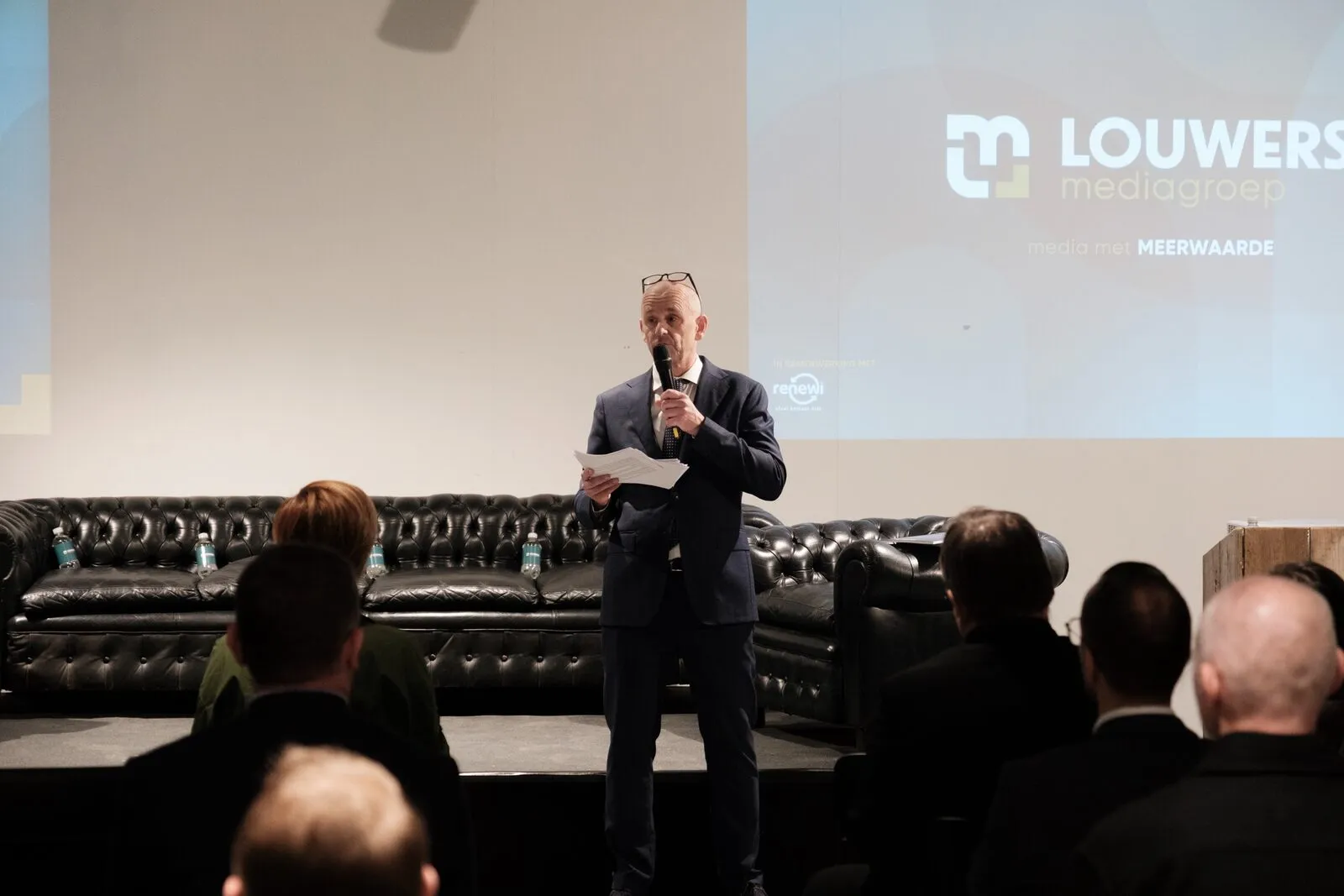
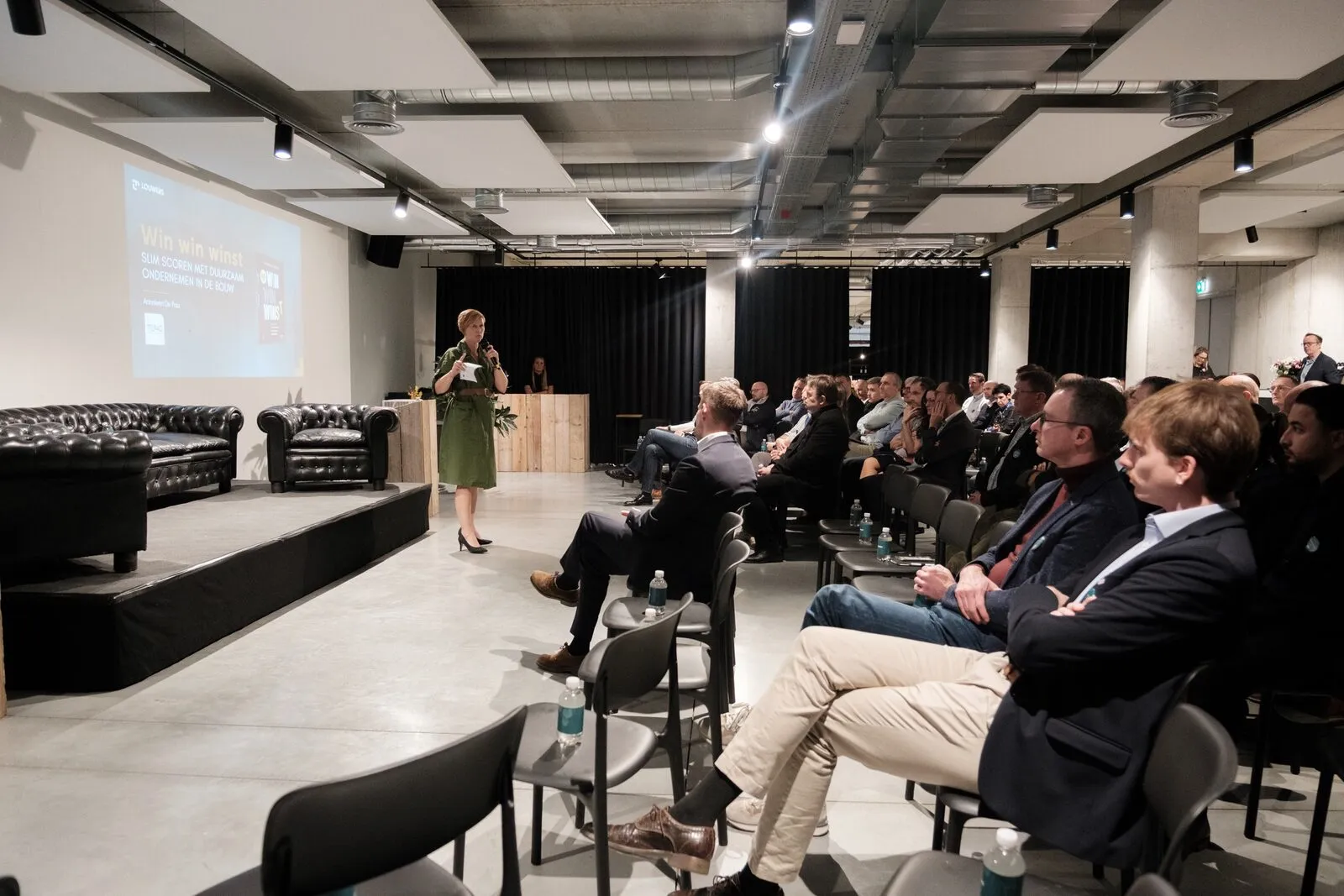
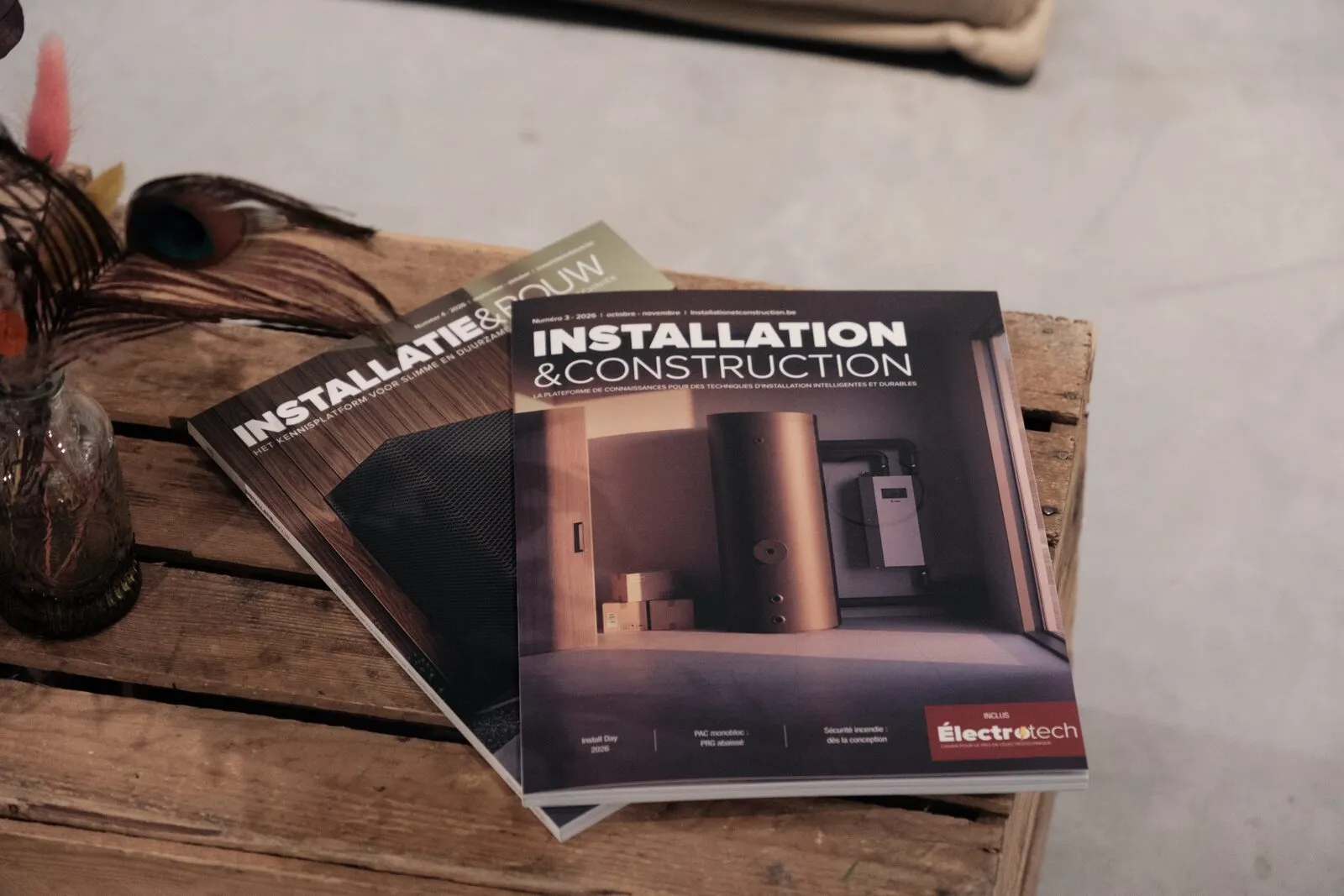
After the presentation of the new 2026-2027 Yearbooks of Installatie & Bouw and Bouwen aan Vlaanderen, and a keynote by Anneleen De Pau (MierO) on sustainability as a profit driver, the BuildForward 2030 panel discussion took centre stage.
Niko Demeester (Embuild), Twain De Hondt (Bouwunie), Kati Lamens (NAV), Kathleen Verhelst (FEMA-FEPROMA) and Pieter Van Geite (Buildwise) discussed, among other things, how the sector can evolve from a project-based approach to life-cycle thinking.
According to Van Geite, contractors and installers need to broaden their role in the value chain. It is not only the construction or installation cost that counts, but also maintenance, energy performance and the total cost over the entire service life of a building.
"Today, the contractor is still too often limited to the person who delivers the building and then moves on to another site. We need to look at how we can also offer additional services after handover," said Pieter Van Geite.
AI as a tool for the skilled tradesperson
Digitalisation was also discussed at length. Together with sector partners, Buildwise developed the AI assistant Tooli, which helps construction professionals with tasks such as analysing quotes, drawing up site reports and consulting technical information.
The technology is primarily intended to reduce administrative burdens. The shortage of skilled workers remains a major challenge. Prefabrication, automation and new working methods can help deploy the available workforce more efficiently.
Collaborating earlier, installing smarter
Another key conclusion was that installers can create added value by contributing ideas as early as the design phase. According to Kati Lamens, private clients too are increasingly choosing tradespeople who look beyond the individual installation.
"If a private client has to choose between three parties, they will sooner choose the one who thinks along about the entire system. As architects, we also like to work with such partners," stressed Kati Lamens.
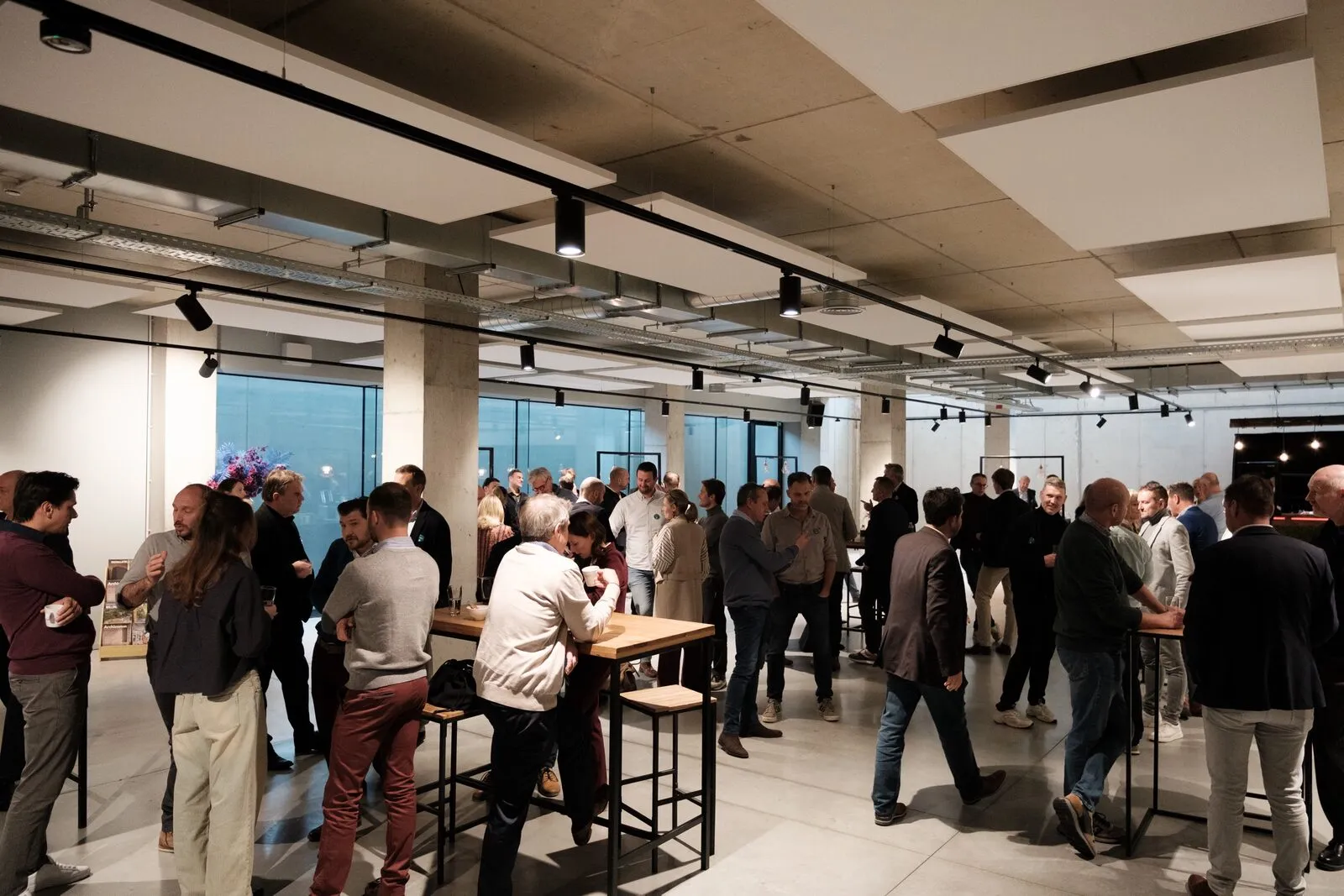
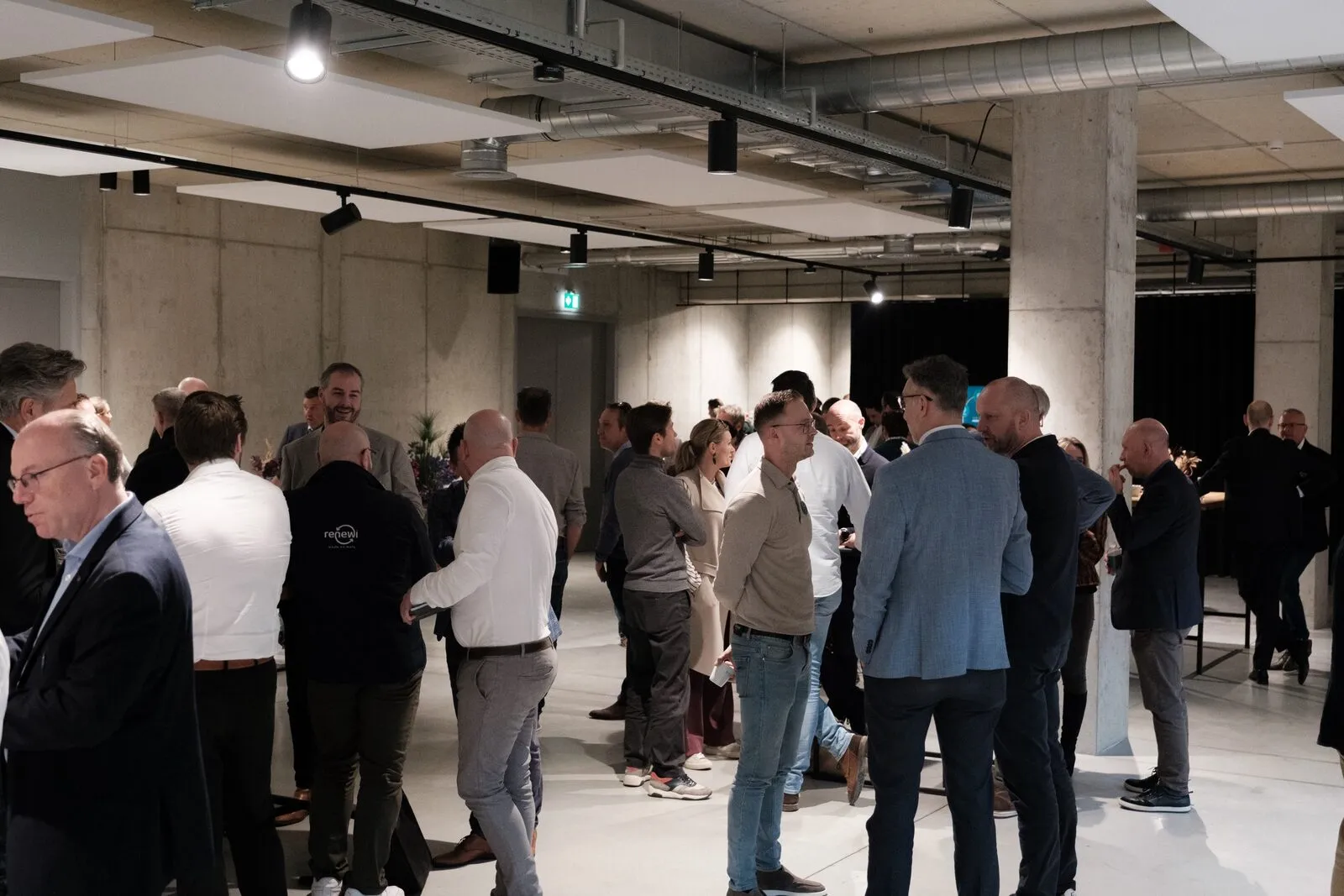
DE BOUWTOP thus made it clear that the future of the installation industry does not lie solely in new technology. Knowledge sharing, integrated collaboration and long-term services will also be decisive. This is a message that fits perfectly with the philosophy of organiser Louwers Mediagroep and partner Renewi: sharing knowledge, connecting people and strengthening the sector together.
Companies in this story
Keep following this
Get an email when a new story is published. No account needed.
- SubjectEvents
- CompanyNiko