Innovative ventilation system puts an end to rooftop guesswork
Text Josefien De BockImage Ubbink
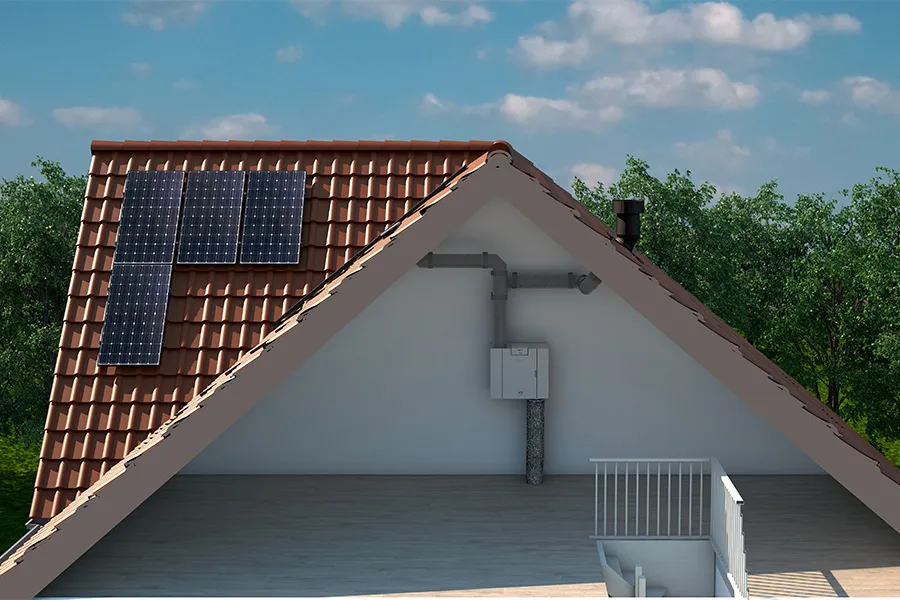
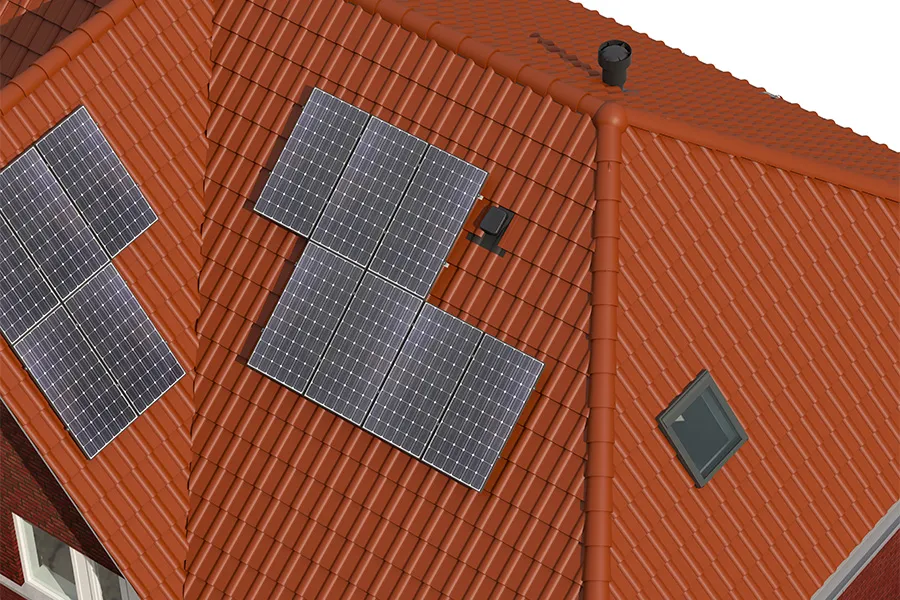
Ubbink recently launched Valetis, a new roof terminal for mechanical extract ventilation. For balanced ventilation (system D), it is the perfect match for Ubbink’s Ventus roof terminal and solar panels. “This gives installers more freedom when choosing where to position the roof terminal. What’s more, the new extract terminal cannot cast a shadow on the solar panels, ensuring they achieve maximum output,” says Kenneth Foutreyn, product manager at Ubbink.
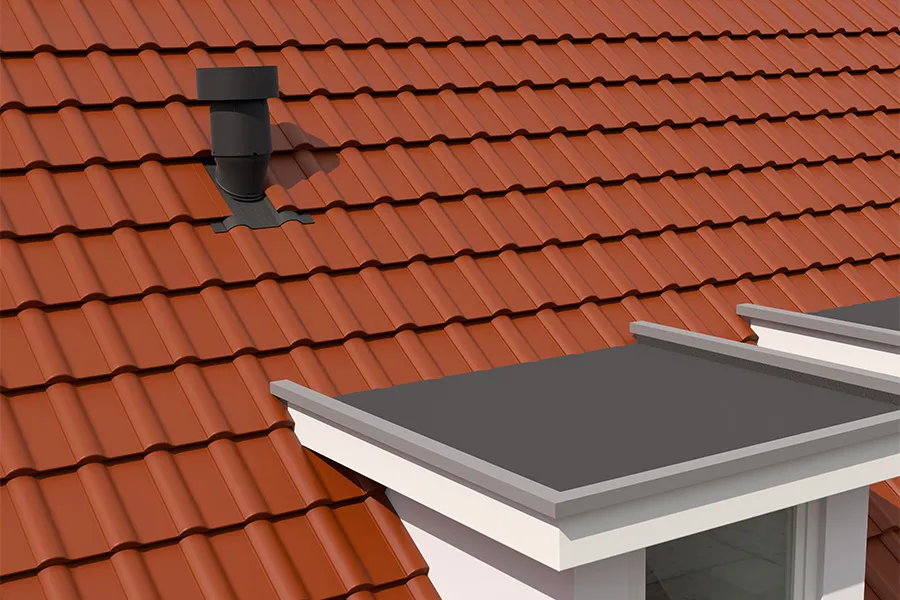
As standards and regulations governing the energy performance of buildings become increasingly stringent, an efficient, high-performing roof is becoming more important. The main factors to consider are the construction, insulation values, airtightness and watertightness, connections and penetrations, and maximising energy generation. “Each component places specific demands on the installer. For example, to prevent extracted, contaminated air from being drawn back in as ‘fresh’ air, it is important not to install the air supply and extract terminals next to each other,” explains Kenneth Foutreyn.
As a result, roof terminals are often installed on both sides of a pitched roof: one for extracting contaminated air and another for supplying fresh air. This is not straightforward on the side with the solar panels. “That’s because most roof terminals are so tall that they cast a shadow, which in turn reduces the output of the solar panels,” explains the product manager. Ubbink’s new Ventus-Valetis combination puts an end to rooftop guesswork.
An innovative combination
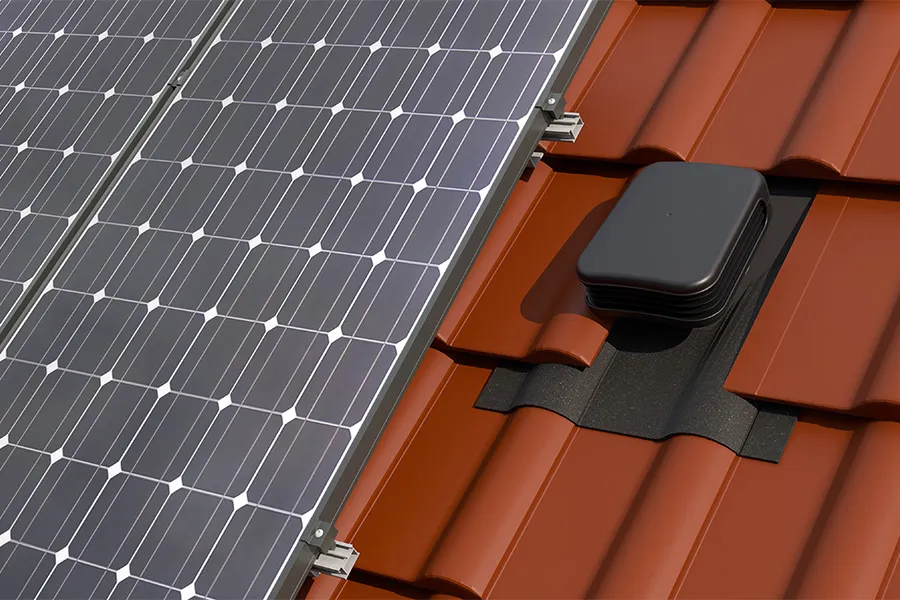
Made from recycled material and just 140 mm high, the new Valetis extract terminal does not cast a shadow on the solar panels, unlike many traditional roof terminals. This means the panels’ energy output is unaffected. Valetis is suitable for both C and D ventilation systems.
In the latter case, with balanced ventilation, Valetis is the ideal match for the Ventus roof terminal and solar panels. Kenneth Foutreyn explains: “You can use Ventus to supply fresh air, installing it on the side of the roof without solar panels. Valetis, which extracts the air, goes on the other side, where the solar panels are. Installers no longer need to take shading into account, giving them greater freedom to choose where to position the roof terminal.”
Easy to install
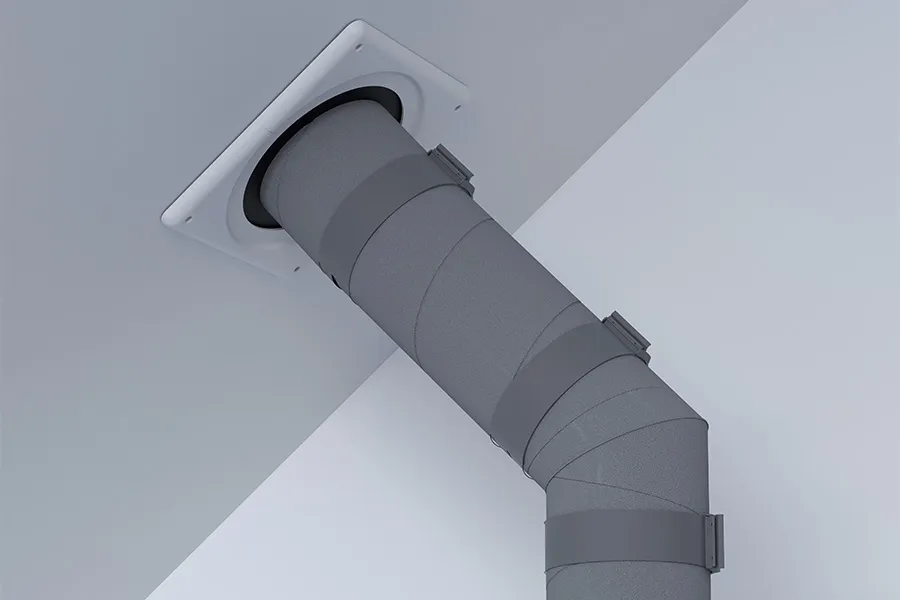
The Ventus and Valetis are installed in the same way. Both terminals pass through the roof at a right angle, making them much easier to install than traditional roof terminals. These require an elliptical opening, which is difficult to mark out and cut, and to seal airtight on the inside. “Ventus and Valetis require only a small, round roof opening. This helps preserve the roof’s airtightness and insulation value. On the inside, the terminal is finished with Ubbink’s airtight roof terminal collar. What’s more, the right-angle connection makes it easy to secure the pipes directly to the inside of the roof deck,” says Kenneth Foutreyn.
In short, Ubbink’s Ventus-Valetis combination is an obvious choice for new-build or renovation projects requiring a high-performance ventilation system, while also ensuring the solar panels on the roof maintain their energy output. The solution is available as an all-in package from building materials merchants.
Een zakelijke vraag aan Ubbink NV? Get in touch
Companies in this story

Keep following this
Get an email when a new story is published. No account needed.
- ThemeHealthy air and summer comfort
- SubjectAir handling
- CompanyUbbink NV