Ties between manufacturer and installer must be strengthened, says market leader in taps and sanitary solutions for public spaces
Text Frank Desmet en Kris VandekerckhoveImage DELABIE
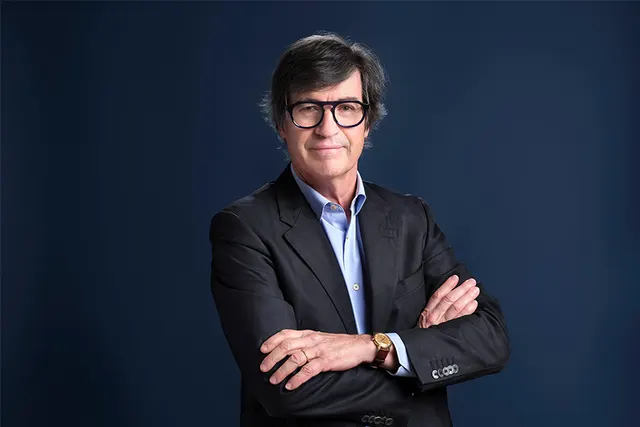
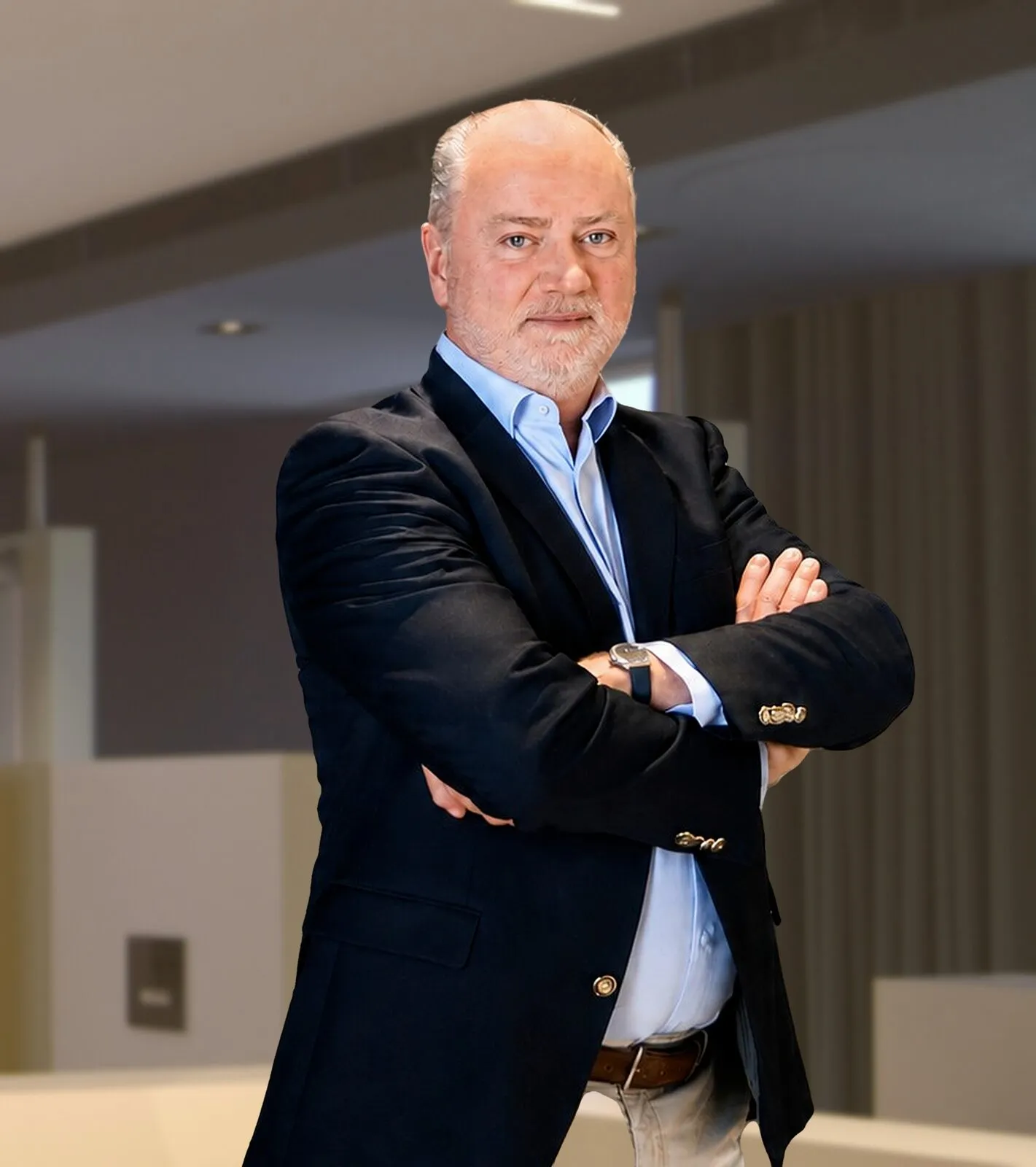
"The Belgian installation sector faces a difficult balancing act. While demand for energy-efficient installations is growing, staff shortages, rising prices and inconsistent policy are putting the sector under pressure." That, in a nutshell, is how Frank Desmet, Benelux sales director at DELABIE, Europe's market leader in taps and sanitary solutions for public spaces, assesses the Belgian installation sector today. In his view, part of the solution lies in closer cooperation between manufacturer and installer. But a more critical look at technological innovations and a well-considered choice of product are also essential, he says.
"The Belgian installation sector is under pressure," begins Frank Desmet, describing how he sees the current state of the sector. "Because of rising prices and interest rates, clients are postponing projects, while orders increasingly come in at the last minute. That makes it harder for installers to plan ahead. Yet demand remains high, particularly in care institutions, schools, sports centres and defence. Population growth and ageing call for more buildings and for sanitary facilities that are accessible and ergonomic. At the same time, installations must be water- and energy-efficient and able to withstand intensive use. Design is also playing an ever greater role: public toilets today are a calling card for their operators. The shortage of knowledge and skilled workers, meanwhile, is the biggest problem for the Belgian installation sector. The switch to electricity demands more expertise and staff than are available today."
When it comes to closing the knowledge gap, he sees a role for manufacturers. "They must advise installers from the design phase onwards and also provide the necessary training. That way, those installers can also inform their end clients better. For example, about the fact that they sometimes have to look beyond the purchase cost, and that consumption, repair options, maintenance and the service life of an installation also determine the real cost. It is, incidentally, with that vision in mind that we at DELABIE offer a fifty-year repair guarantee."
According to Frank Desmet, the cause of the shortage of installers lies mainly outside the sector. "Technical and vocational training is still undervalued, even though installers are skilled professionals with a great deal of technical knowledge and problem-solving ability, which is worth a lot," he believes. "Foreign workers can help absorb the shortage, but in the long term we above all need to get more young people interested in technical training. That is a shared responsibility for education, business and policymakers."
"Not every water- and energy-saving installation is a cure-all"
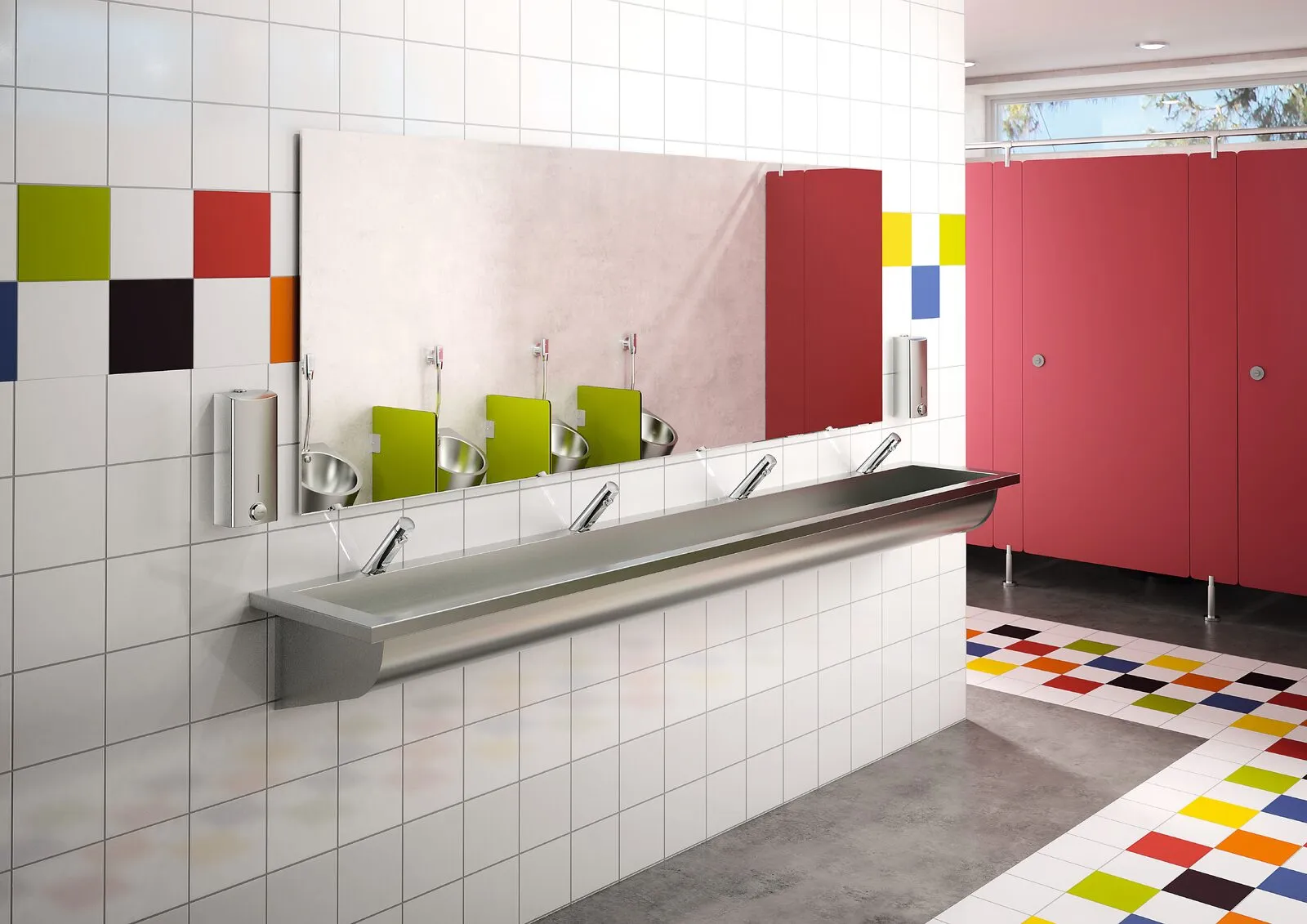
That sanitary installations must be water- and energy-efficient does not mean that every innovation in this area in recent years has been a success, says Frank Desmet. "Waterless urinals are a case in point. On paper they seem water-efficient, but to prevent odour nuisance they have to be cleaned with water several times a day. As a result, a large part of the saving disappears."
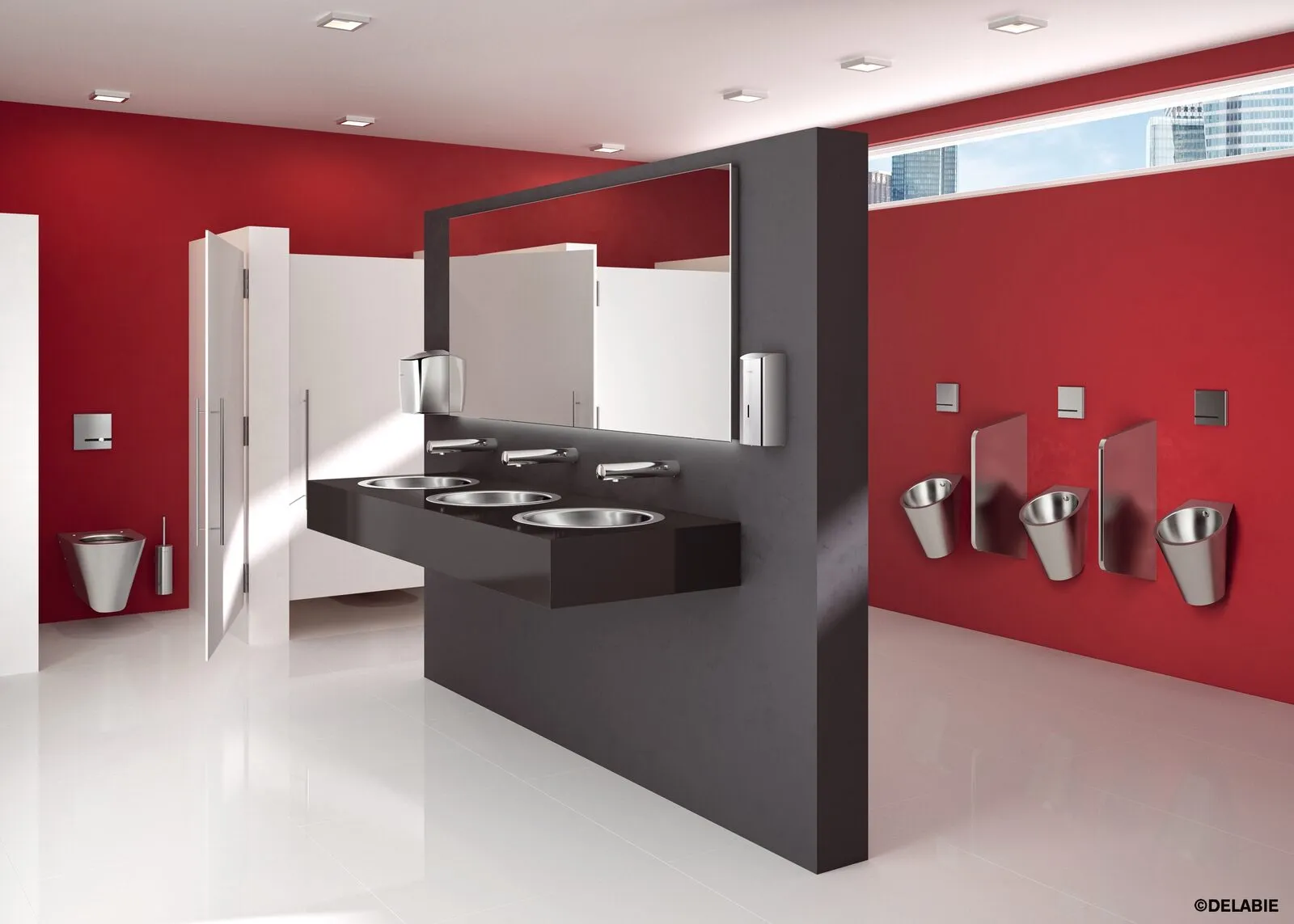
"In our view, a sensor-controlled flushing system offers a more efficient alternative. During peak periods, when many people use the same urinal in quick succession, the mass mode triggers a short, water-saving flush after each use. Once the rush subsides, a full flush follows. The system also flushes automatically after 24 hours without use. This helps prevent odour nuisance, urine scale and blockages, while reducing water consumption and the need for maintenance interventions."
"No clear course in policy"
Saving energy fits entirely within the energy transition that the Belgian government also wants to achieve in buildings. But it is not steering a clear course, says Frank Desmet. "The government encourages electrification, while the electricity grid does not have sufficient capacity everywhere," he explains. "At the same time, nitrogen rules and administrative procedures delay construction projects, and protracted permit procedures complicate planning for clients and the efficient deployment of staff at installers. The objectives are not the problem; their practical feasibility is."
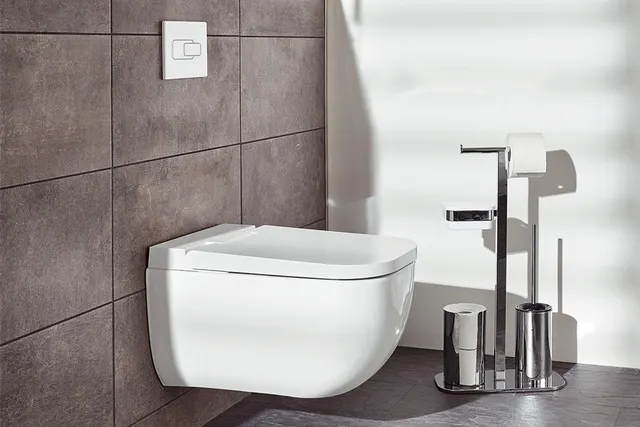
Another observation he is reluctant to make is that installers generally have too little time to attend trade fairs or follow training courses. Frank Desmet: "As a result, interesting technological possibilities are sometimes underused. A good example is our direct toilet flushing without a cistern. It prevents standing water, makes toilets available again immediately and reduces the risk of undetected leaks. We will also soon be taking a further step by linking sanitary ware to building management systems, so that installations can be actively monitored."
"Innovative technology only truly adds value when installers know where and why to apply it."
"Better match solutions to the building"
Finally, DELABIE's Benelux sales director has one more important message. "As an installation sector, we need to become less conservative and better match solutions to the building. A hospital makes different demands from a school, airport or restaurant. Hygiene, accessibility, robustness, ease of maintenance and appearance each carry a different weight every time. Also worth knowing: according to our figures, only 10% of vandalism is deliberate. A wrong product choice therefore quickly leads to unnecessary wear, waste, leaks and extra maintenance."
"The difference between public and residential sanitary facilities should not be underestimated either. Where a tap at home is used twenty times a day on average, in public spaces that can rise to hundreds of times."
"That is why manufacturers and installers must bring their expertise together much earlier and advise architects, design offices and clients properly. That way the right choices can be made from the design stage onwards. Because saving water does not begin when someone turns on the tap, but with the choice of installation," he concludes.
A business enquiry for Delabie? Get in touch
Companies in this story
Keep following this
Get an email when a new story is published. No account needed.
- ThemeSafe and efficient water use
- SubjectSanitaryware
- CompanyDelabie