











Rising energy prices increase the importance of hydraulic balancing

Since ATTB highlighted the hydraulic balancing of heating systems in a statement late last year, a great deal has changed. Energy prices have soared as a result of the war in Ukraine. Yet far too few people still realise that hydraulic balancing can deliver significant energy savings.
As early as December 2021, ATTB, specifically its ‘Hydraulics’ working group, made the case for water-side, or hydraulic, balancing of central heating systems. The EPBD III directives require every EU Member State to incorporate the various areas of energy-saving measures into its national regulations. Hydraulic balancing is one of the key measures in that action plan, but according to ATTB, Belgium is lagging too far behind. Several key players in the sector have therefore joined forces. A steering committee made up of a number of manufacturers has been set up within ATTB. It is supported by a working group and key stakeholders, with the aim of raising awareness of hydraulic balancing solutions for buildings among the various authorities and other stakeholders, thereby helping to enable and achieve the European targets.
Mauro Manfredi, Managing Director at Caleffi International: “We are seeing strong initiatives emerge in several other countries, including France, Germany and Italy. So far, that has not been the case in Belgium, partly because of the complexity of the Belgian regulatory framework. Our statement in December was a first shot across the bows. Since then, various initiatives have been launched, including a study by the Flemish Energy and Climate Agency (VEKA), and they look promising.”

Not just ‘because it is required’
Hydraulic balancing is not something we should do merely because ‘Europe says we have to’. With energy bills on the rise, saving energy is more important than ever, and that is precisely the main advantage of good hydraulic balancing. Manfredi: “We can never describe the war in Ukraine as a positive thing. But the turbulent geopolitical situation could make sustainability more of a priority.”
“People are actively looking for ways to save energy, but often do not realise that the solution is right in front of them. Simply balancing a heating system can deliver enormous savings at no extra cost. We need to highlight this more,” adds Christophe Jooris (Managing Director at IMI Hydronic). Manfredi: “Compared with just under a year ago, we now have far more arguments at our disposal to convince the various parties of its importance. Installers, too, now have the case they need to show end users why hydraulic balancing can be so beneficial. Factors such as CO2 reduction, energy savings and comfort make the case more compelling in the long term. That is the message we keep emphasising: hydraulic balancing is a quick win, a piece of low-hanging fruit.”
Installer pride
Jooris: “We still see many installers reluctant to offer hydraulic balancing to their customers, for fear that the higher final bill will drive them to a competitor. Even so, we hope installers’ pride will prevail, and that they will want to prove their expertise in their field. That will also make end customers more willing to buy into the idea.”
The rise of new systems is also going hand in hand with increased attention to hydraulic balancing. “ATTB’s figures show that heat pump sales are on the rise, following the trend in the Netherlands and France. A heat pump requires a system-based approach and hydraulic balancing. The same applies to communal installations. If you fail to ensure water-side balancing, you risk problems with the systems in the short term,” says Manfredi.
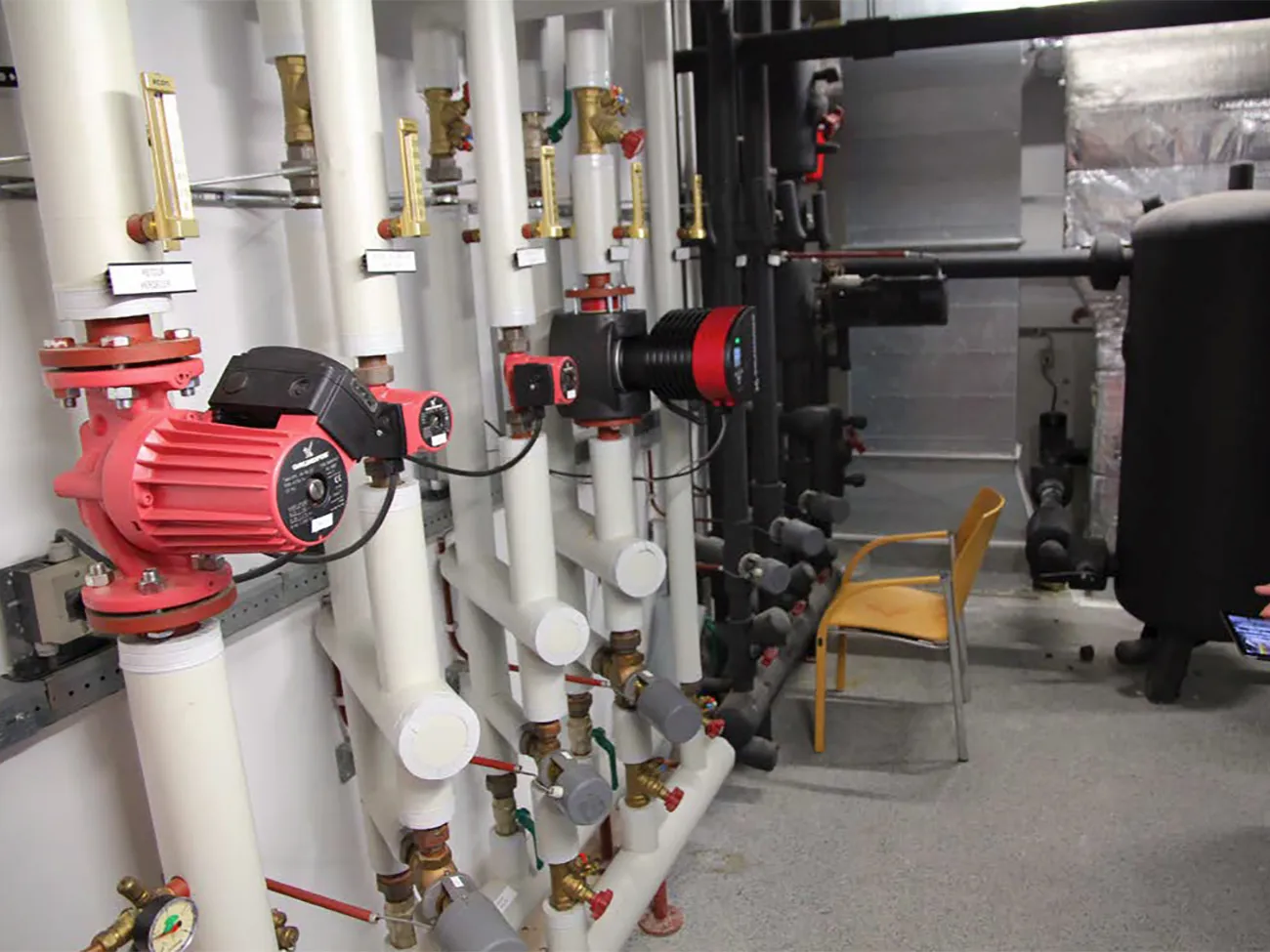
Avoiding mistakes
Heating system manufacturers also recognise the need for hydraulic balancing. Rudy Ballegeer, Account Manager at Jaga: “Unlike lighting, for example, it is not always easy to check how radiators, underfloor heating or fan coil units are operating. Exactly how much water is flowing through the unit? It is difficult to estimate. That is why correct system design and expert commissioning are so important. Hydraulic balancing is an essential part of this. The emergence of new technologies has only reinforced this trend: we cannot afford to make mistakes.”
That is why there is also a need for inspection bodies, Jooris adds. “At present, anyone can, so to speak, install a heating system. You do not need a certificate, unless you have to connect the refrigerant pipe yourself when installing a heat pump. When it comes to heating water systems, we really are still in the ‘Wild West’.”
Opening up public debate
ATTB hopes the various authorities will take action and make this issue a priority. “It is not rocket science: if the authorities are willing, a great deal can be set in motion. The partners on the ground are ready to provide the necessary support,” Manfredi adds. He also hopes to raise public awareness. “Media debates are still very often about gas or nuclear power stations. You read nothing in the newspapers about balancing a system. That is very strange, because it is precisely a simple and inexpensive way to save a significant amount of energy in our homes and buildings.”
Een zakelijke vraag aan Caleffi International N.V.? Get in touch
Companies in this story

Keep following this
Get an email when a new story is published. No account needed.
- ThemeEnergy generation and smart use
- SubjectHVAC
- CompanyCaleffi International N.V.







