











Installers need to offer a complete solution Finding skilled staff remains difficult
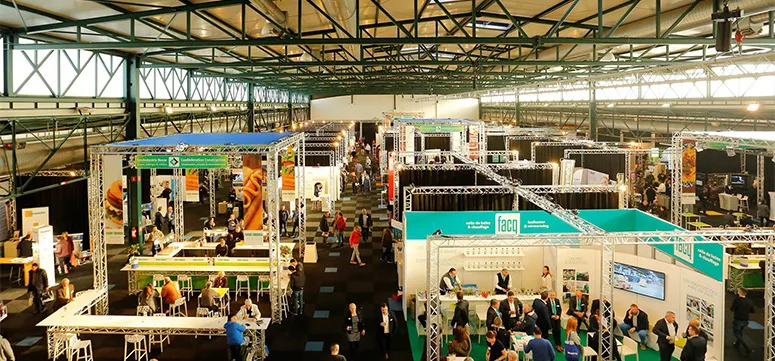
The successful second edition of Install Day at Brussels Kart Expo gave sector federation Techlink an excellent opportunity to take stock of the installation sector. Techlink therefore conducted a large-scale survey of 3,000 installation companies. The main conclusion: the installation sector is constantly changing.
The trend towards full-service installers is particularly striking. 6 in 10 installers in electrical engineering and heating, ventilation and cooling have grown into so-called full-service installers. In other words, they can work across both electrical engineering and heating, ventilation and cooling.
There are several reasons why the distinction between electrical engineering and HVAC is fading, says Jan Lhoëst, commercial director at Techlink. “During the crisis, we also saw installers looking for extra work outside their own field. Now that trend is returning. In modern construction, clients prefer to have one installer as a partner rather than several points of contact. There is also a technological shift: HVAC equipment now incorporates more electrical applications.” The survey found that 62 per cent of companies in the sector describe themselves as full-service installers.
Shortage occupation
Installation companies are generally small businesses, with most employing no more than four people. They also struggle to find suitable staff. No less than 90 per cent of companies in the sector find it very difficult to recruit suitable staff. It is therefore no surprise that installation companies place great emphasis on retention management, keeping their existing employees. The working atmosphere in particular (69 per cent) is an important factor. When an employee does leave, in 55 per cent of cases it is to become self-employed and set up their own business.
Techlink also asked about relationships with customers. Installation companies mainly cite ‘trust’ and ‘good service’ as reasons why customers choose them. Notably, price comes only fourth. “This is further proof that an installer does not simply turn up, install something and leave. They are a reliable partner and adviser throughout the project,” says Lhöest.
Installation companies are increasingly turning to social media to promote their products and services. 47 per cent use Facebook, Twitter and other platforms for promotion. Social media has the advantage of being very cost-effective and, with ‘targeted advertising’, makes it possible to reach the right audience straight away.
Sharing economy
The sharing economy is also developing rapidly, alongside social media. A sharing economy platform such as Listminut, where small jobs are offered to individuals who can earn up to 500 euros a month tax-free, a rule Techlink opposes, could compete with the installation sector. Yet only 8 per cent of installation companies fear competition from such platforms, as their work requires too much expertise and specialisation to be an obvious choice for someone doing a few jobs ‘on the side’.
Most installation companies are optimistic about how business is going. However, larger companies are generally more optimistic about the future than companies with no more than 4 employees or self-employed installers.
Text: Techlink, Filip Van der Elst | Image: Filip Van der Elst
Featured image: On 23 November, the Confederatie Bouw organised the trade fair Install Day at Brussels Kart Expo.
Question about this story? Ask your question
Keep following this
Get an email when a new story is published. No account needed.
- ThemeThe installer of tomorrow
- SubjectHVAC







