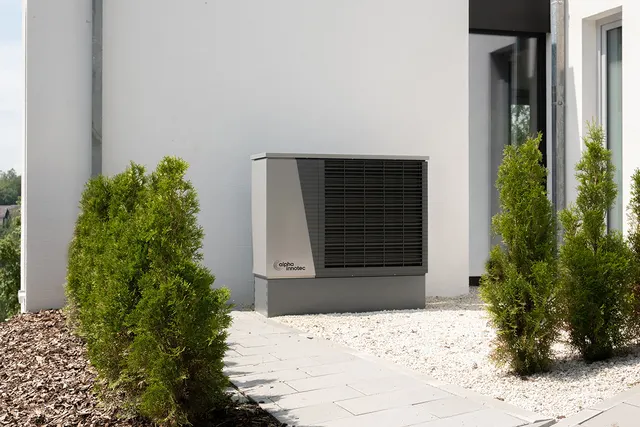
Greater focus on hydraulic balancing
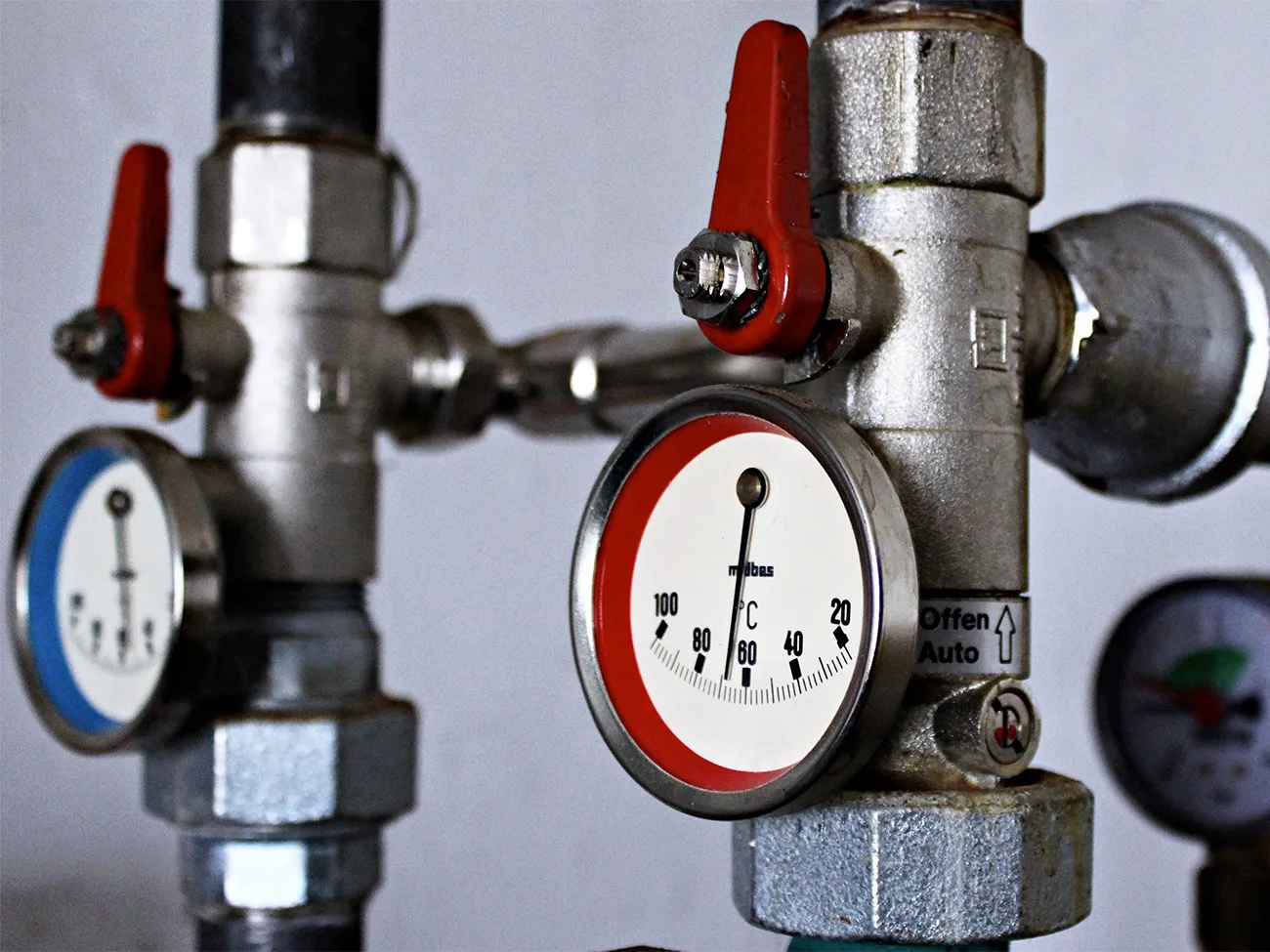
The EPBD III guidelines require every EU Member State to incorporate the various areas of energy-saving measures into its local regulations. This includes the water-side or hydraulic balancing of central heating systems. ATTB, and in particular its ‘Hydraulics’ working group, wants to take responsibility for developing these measures.
Under the European directive, EPBD III DIRECTIVE 2018/844, Member States must meet certain conditions and specific objectives. The main objectives of this directive are:
- Achieve an energy-efficient building stock (BENG) by 2050
- Each Member State must develop robust long-term renovation strategies, with indicative milestones for 2030, 2040 and 2050.
The objectives for the 2021-2030 period include reducing greenhouse gas emissions by at least 40 per cent compared with 1990, and an energy efficiency target of at least 32.5 per cent. At least 32 per cent of energy must come from renewable sources.
Self-regulating or self-learning systems
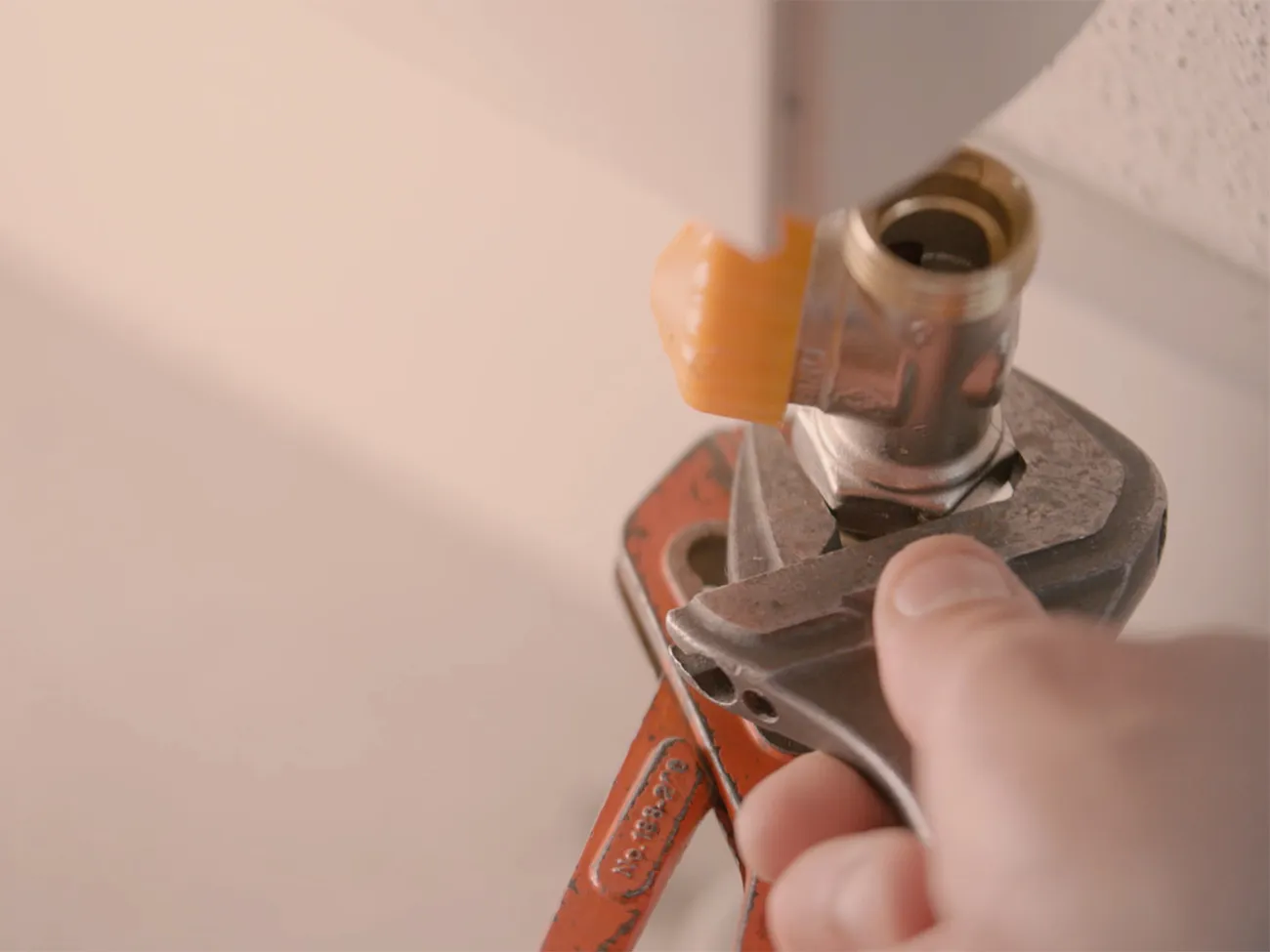
For existing and new buildings, each Member State is expected to optimise energy consumption through the technical installation. For new buildings, systems are expected to be able to regulate the temperature in each room effectively using self-regulating or self-learning technology. In existing buildings, this should be considered when a heat generator is replaced.
Such a self-learning system must be able to adjust the heating output automatically in response to the indoor temperature. The aim should be to use the lowest possible water temperature for efficient generation and distribution, while keeping it high enough to provide heat and maintain comfort.
The system must also make it possible to control the heating output in each room, in line with the heating settings for the room (or zone) concerned.
Closed-circuit hot water systems
Heating systems with a closed hot water circuit supply almost 60 per cent of homes in Europe with the heat they need. Indirect cooling is also gaining ground.
These systems must work properly to ensure the comfort, health and productivity users expect, while minimising energy consumption.
Water is the most efficient medium for transport in closed circuits. The pressure maintenance system in particular (e.g. the expansion vessel) must keep the fluid in the required condition to prevent problems caused by corrosion, as these directly affect thermal comfort and the system’s energy efficiency.
Manufacturers of control and balancing equipment are continually working to offer innovative components and inform the market in order to improve system performance. However, these solutions need wider support and awareness, and must be properly implemented, sized and commissioned. The potential energy savings can only be achieved when the control system and hydraulic circuits are optimally matched. This depends on a central heating system being properly designed, installed, balanced and maintained. The design must be based on a thorough heating and cooling load calculation.
ATTB’s role
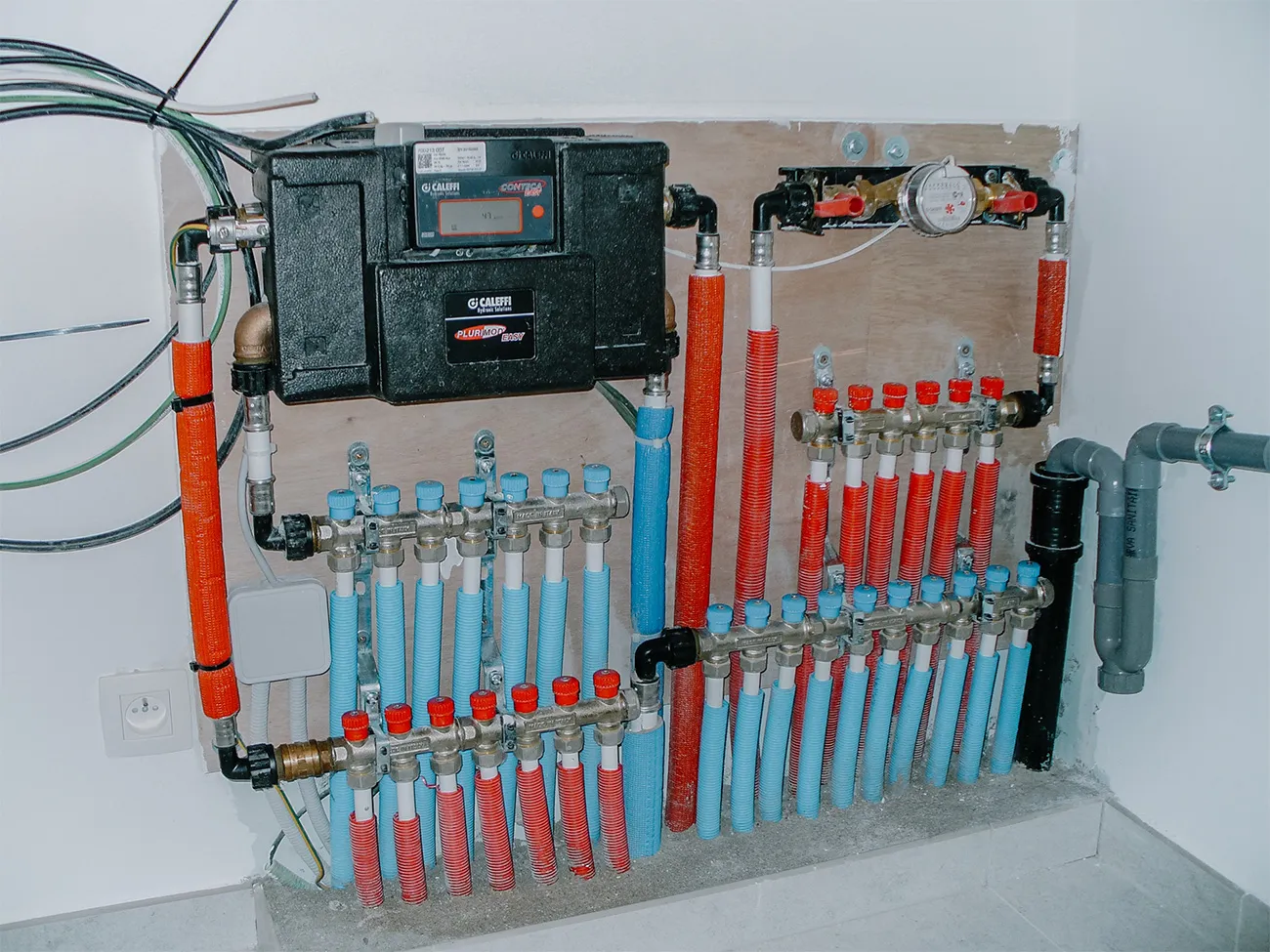
ATTB has therefore set up a steering committee made up of several manufacturers, supported by a working group and key stakeholders, to promote hydraulic balancing solutions for buildings to the various authorities and other stakeholders, thereby helping to facilitate and achieve the European objectives.
ATTB wants to highlight the main benefits of hydraulic balancing. It saves energy and reduces CO2 emissions while maintaining comfort and ease of use for consumers.
ATTB is therefore developing an action plan that includes a general quality framework for systems, a code of good practice covering system design, installation and maintenance, and the provision of sound training at every level. The organisation is also calling for official product certification (comparable to the Ecolabel) and extensive technical support for engineering consultancies, installers and energy experts.
Question about this story? Ask your question
Keep following this
Get an email when a new story is published. No account needed.
- ThemeImproving building services performance
- SubjectHVAC