The impact of the digital meter and the capacity tariff
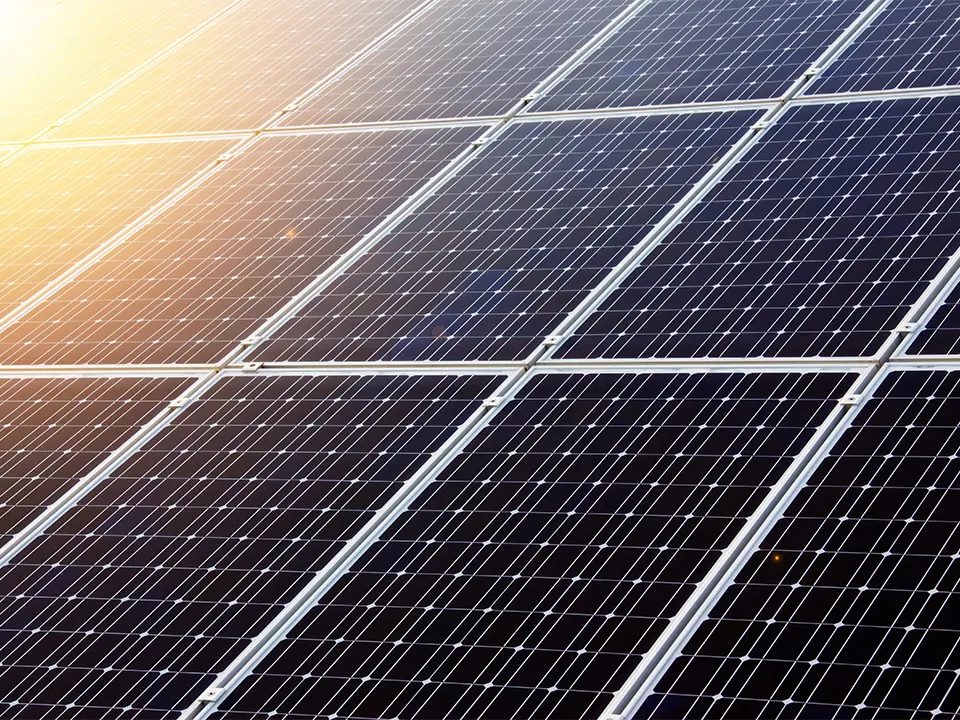
As it does every year, ODE, the Organisation for Sustainable Energy, devoted a study day to PV installations. To stay one step ahead of coronavirus, ODE opted for a virtual event in the form of a webinar. Current topics such as the digital meter and the capacity tariff naturally took centre stage. One conclusion ran through most of the presentations: the amount of electricity consumed immediately (self-consumption) is becoming crucial to the yield of PV installations.
In a strange twist of fate, ODE held the study day just a few days before the Constitutional Court delivered its much-discussed ruling on the principle of the revolving meter. You can read more about the ruling and its implications on page 50. That did not mean there were no other interesting topics to discuss. Quite the contrary. The webinar opened on a positive note. Preliminary market figures for 2020 look promising, according to the opening presentation. At the time of writing, 132,559 more PV installations had already been installed in 2020 than in the previous year, an increase of no less than 116 per cent. Moreover, not all registrations had yet been processed.
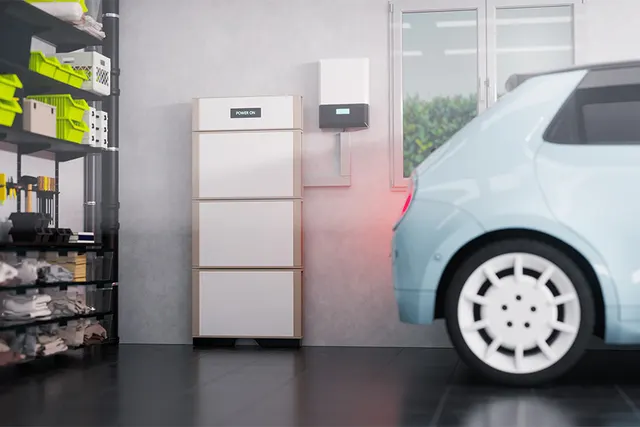
ODE is also optimistic about the near future. A grant for small-scale PV installations is available until the end of 2024, worth a total of 32.4 million euros. There is also a home battery grant, which is likely to attract considerable interest now that the revolving meter is being phased out. The grant is awarded on a first-come, first-served basis.
6 million energy meters to be replaced
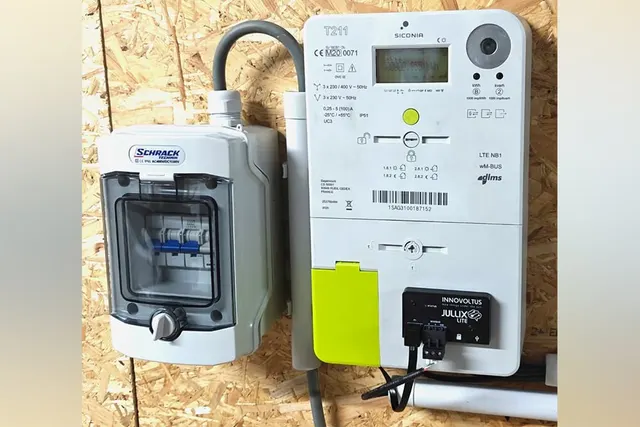
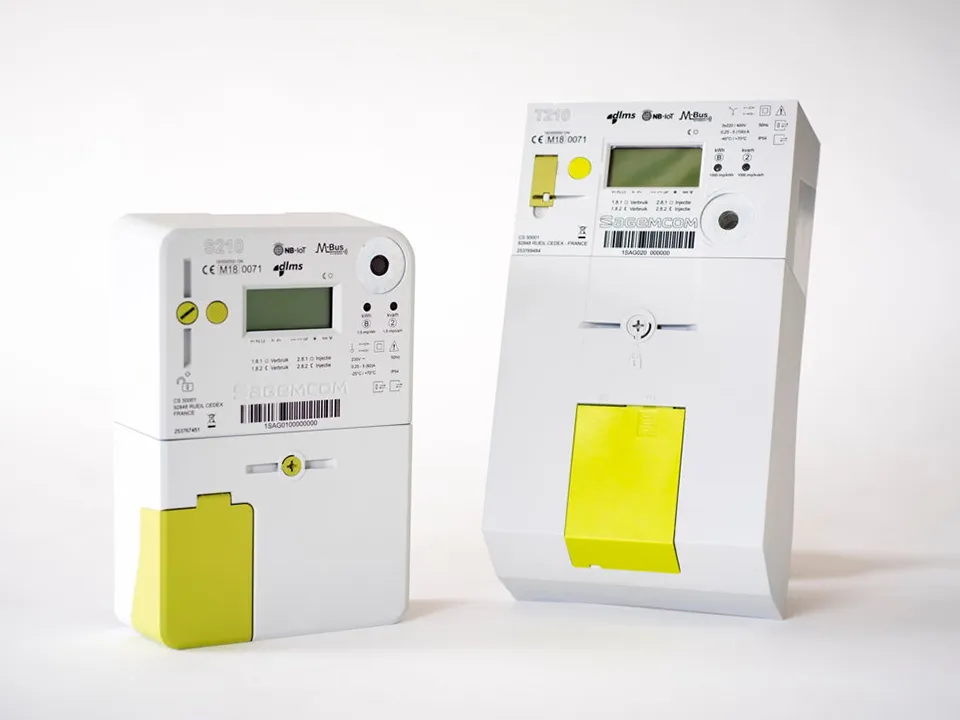
The digital meter presents Fluvius with a huge task: the distribution system operator is responsible for replacing 6.1 million energy meters with digital models. By November 2020, Fluvius installers had already fitted 525,000 digital meters, just under 150,000 of them (for both gas and electricity) at prosumers’ premises. Peter Van Strydonck of Fluvius said: “The digital meter will play a key role in the energy transition. It provides insight into consumption and should help match consumption to the energy available. This makes it possible to control appliances using smart applications. The ultimate aim is to consume as much locally generated energy as possible.”
In his presentation, Van Strydonck explained exactly how the digital meter can help increase self-consumption. The digital electricity meter has user ports to which users can connect their own smart applications. The hub of the system is the S1 and P1 ports. Van Strydonck said: “The P1 port provides consumption information, with data on import and export available day and night. This port is suitable for basic applications, while S1 provides much more advanced voltage and current information. Using pattern recognition and intelligent algorithms, the S1 port can identify the consumption pattern of a specific appliance within the ‘general’ consumption. This means customers can see exactly how much an appliance uses, without installing separate meters for each circuit.”
Avoiding high peaks
The digital meter is not the only change. Another energy policy change linked to the digital meter will also have a far-reaching impact on the PV installation market: the capacity tariff, due to come into force in 2022. In her presentation, Leen Vandezande (VREG) first outlined the broader context of distribution network tariffs and their impact on energy bills. As is well known, an energy bill consists of three parts: the actual cost of energy (38 per cent of the total bill), distribution network tariffs (42 per cent) and levies.
As well as increasing self-consumption, the digital meter has another purpose: avoiding high consumption peaks. The more evenly you spread your use, the less you pay. The capacity tariff is the logical consequence of this aim. According to VREG, higher peak loads would require distribution system operators to make major investments to keep the network reliable, resulting in higher distribution network tariffs. The aim, therefore, is to use the network as efficiently as possible. At the same time, the prosumer tariff, calculated on the basis of inverter capacity, will be abolished for owners of solar panels.
“The capacity tariff is based on the average monthly peak over the past 12 months. Based on our initial sample data, the monthly peak for an average household is around 3.15 kW,” explained Vandezande. VREG is convinced that the capacity tariff will not result in an additional cost for most households. “An average household with typical domestic appliances and conventional consumption will pay slightly less. The cost will be somewhat higher for people with a second home and low consumption. Households with a heat pump and/or an electric vehicle will see little impact, but with certain targeted investments they can make substantial savings on their energy bills,” Vandezande concluded.
Question about this story? Ask your question
Keep following this
Get an email when a new story is published. No account needed.
- SubjectElectrical