Qbus launches Luqas, the smart electricity manager
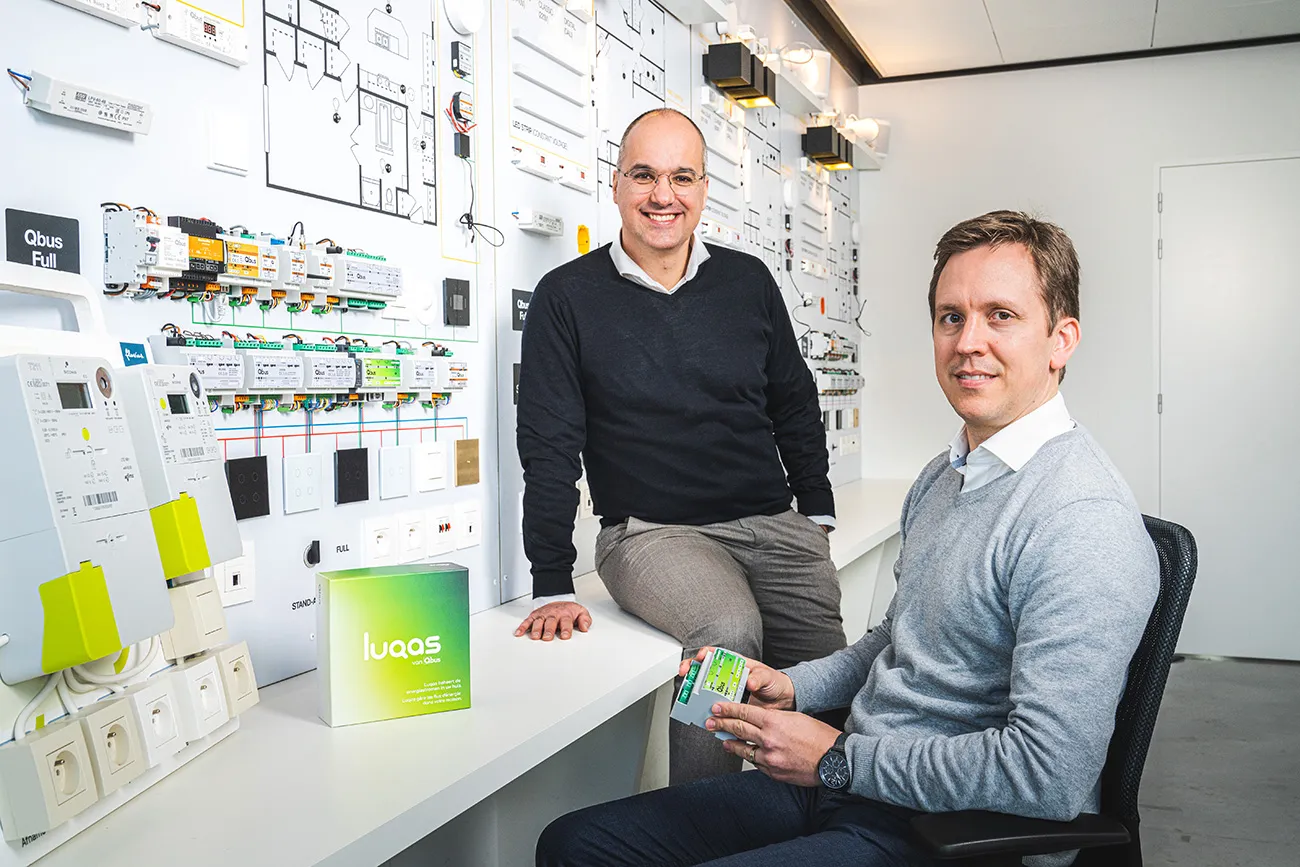
Flemish company develops device that dynamically controls and spreads electricity consumption
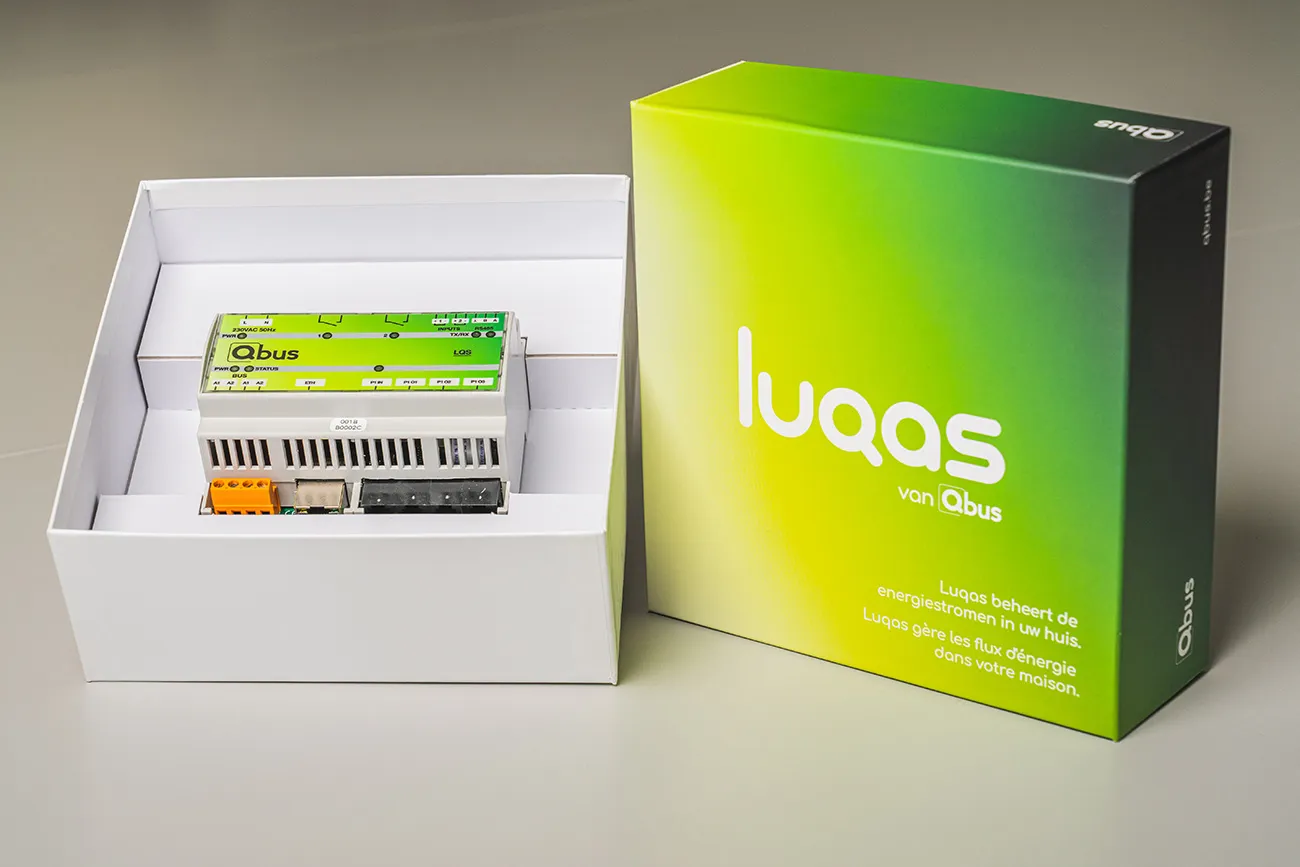
Since 1 January, with the introduction of the capacity tariff, peaks in your electricity consumption also mean peaks on your bill. At least for those who already have a digital meter. Flemish company Qbus has developed a smart, simple solution to avoid these peaks with Luqas. The device connects all high-consumption appliances and controls them, matching consumption to your own energy production, for example from solar panels, and spreading it more evenly throughout the day. The brand-new smart device is available to buy from today. “We are convinced that Luqas will become a welcome new addition to many households in Flanders. We have big ambitions! Within five years, we expect Luqas to be controlling high-consumption appliances in around 100,000 homes,” says Tom Vanden Bussche, CEO of Qbus. Thanks to Luqas, an average household in a home with a heat pump and charging point can save up to almost 1,500 euros a year.
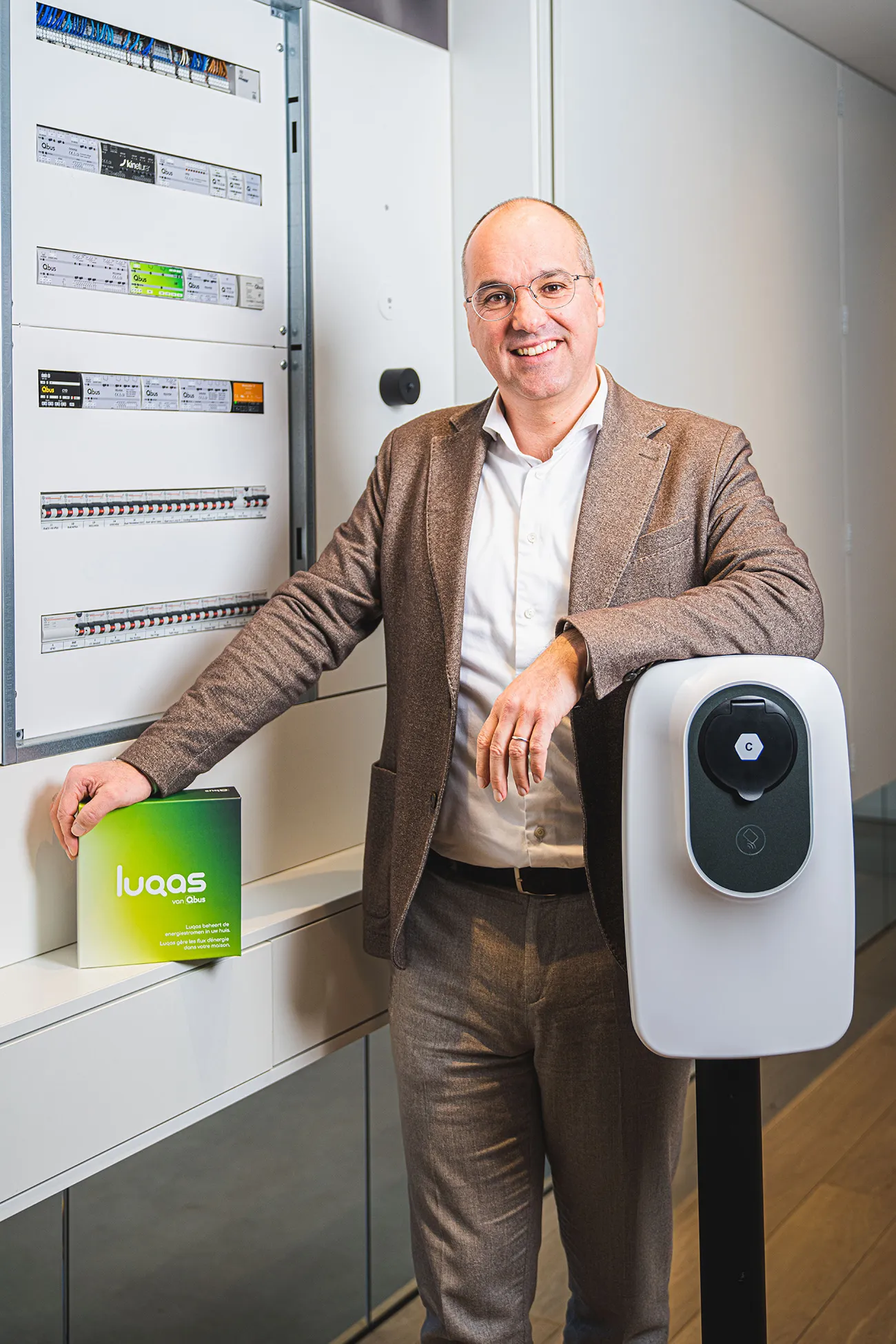
“The introduction of the capacity tariff has brought about a lot of change in Flanders,” says Tom Vanden Bussche of Qbus. “But that is not the only change. Things have been changing for years. The world is gradually becoming electric. Our homes consume, buy, store and generate electricity. It is no longer possible to manage all of that yourself. The days of day and night tariffs, and therefore of running the washing machine at night, are gradually becoming a thing of the past. With Luqas, we have developed a device that is smart enough to manage all the electricity flows in the home.”
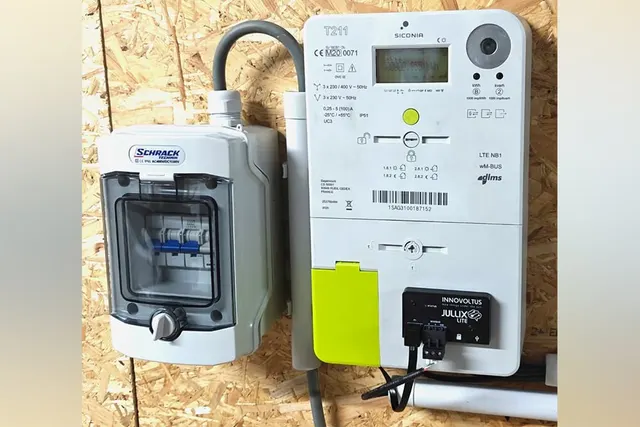
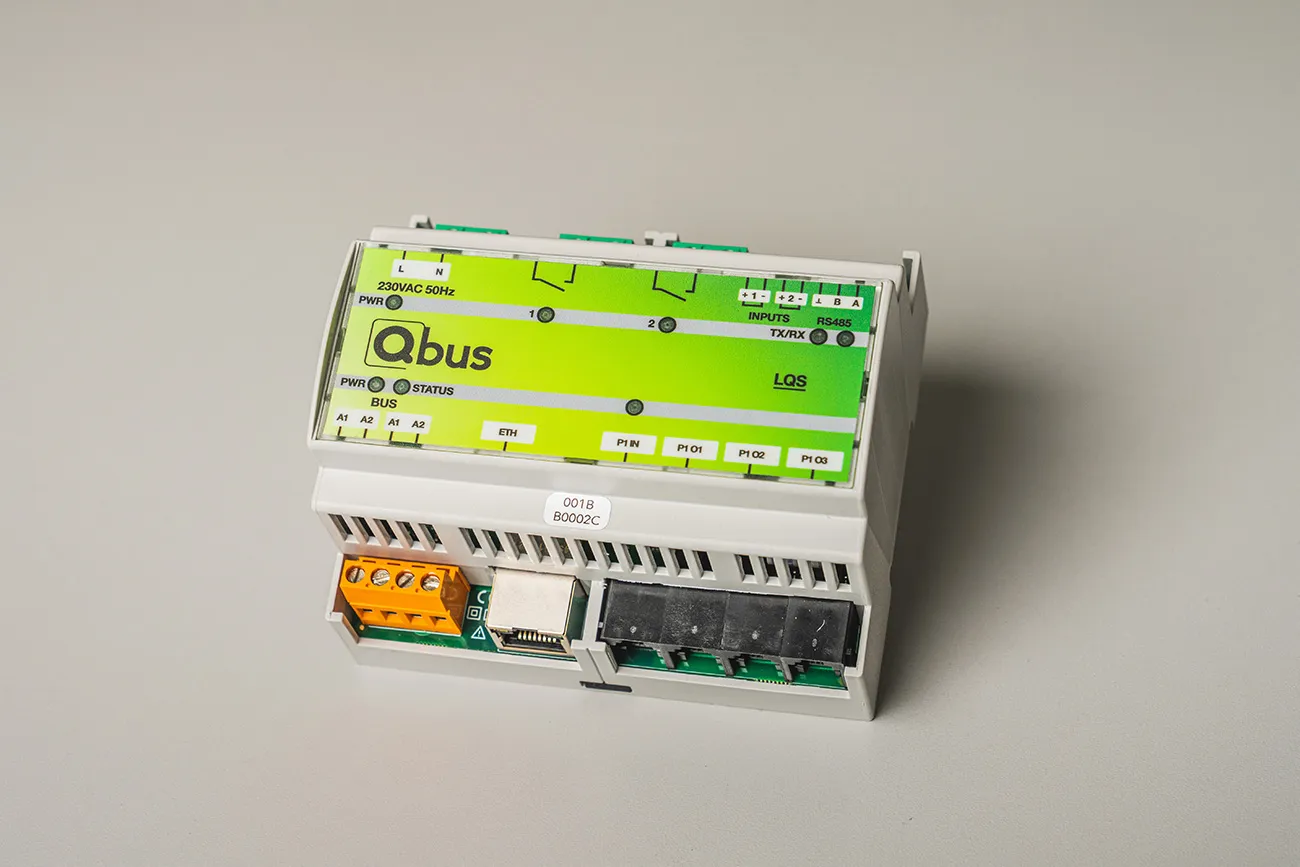
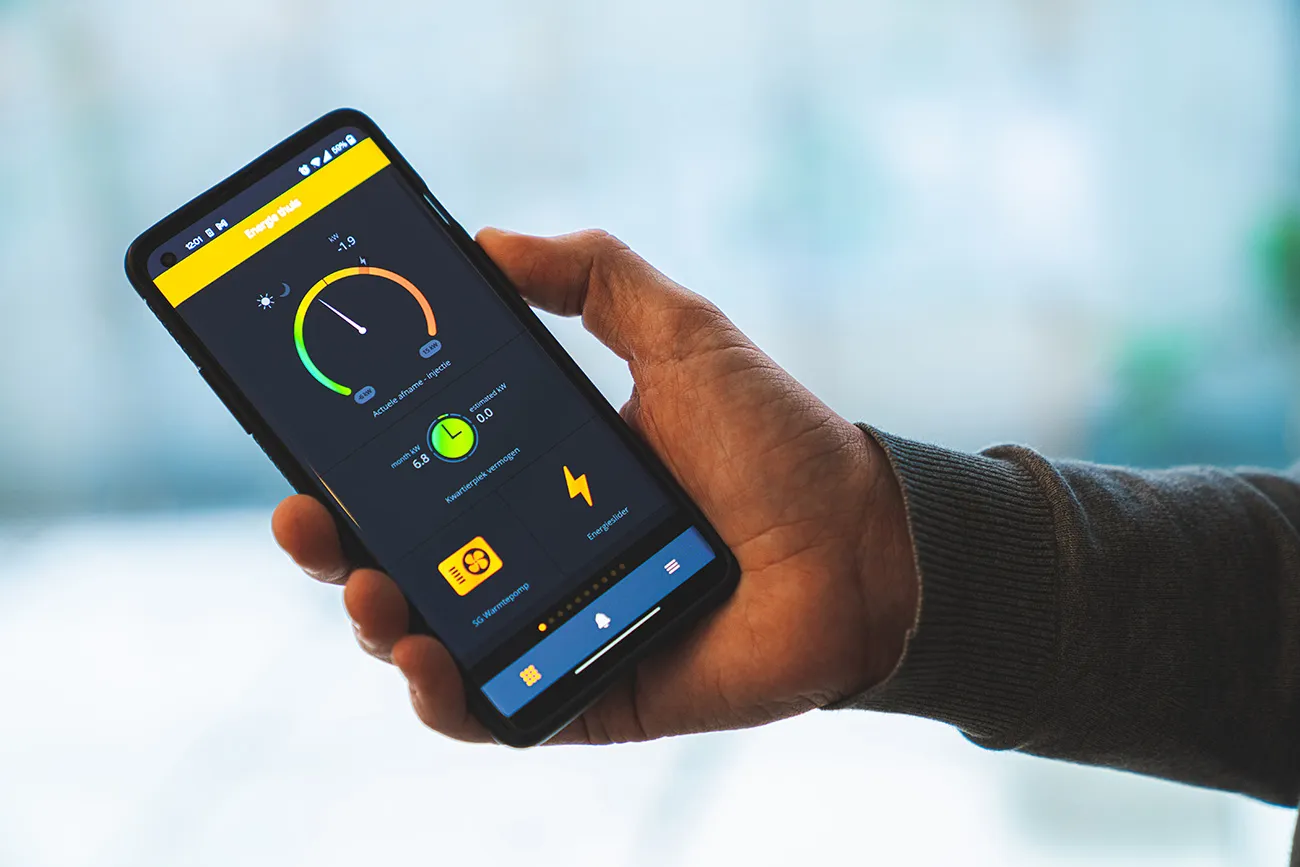
Luqas is about the size of a smartphone and is installed in the electrical cabinet. The device is connected to the digital meter and controls your charging point, heat pump, boiler and everything else according to your current electricity consumption. If you have solar panels, it directs your consumption towards your own generation. Luqas controls everything and spreads your consumption throughout the day, helping you avoid large peaks. “We call that sustainable comfort,” says Tom Vanden Bussche. “It is economically and ecologically sound, in whatever balance you choose.” You can control Luqas via the app using the energy slider. You can go all in on Eco mode or opt for a more moderate approach. You decide how much electricity you want to buy at most. You can also adjust the settings whenever you want, as you see fit. You receive notifications when the quarter-hour peak is about to be exceeded, helping you keep your bill under control. The app also lets you monitor your current consumption and view historical data on quarter-hour peaks and electricity, gas and water consumption.
Capacity tariff
Until the end of 2022, network charges were calculated based on the amount of electricity drawn from the grid (kWh), in other words, electricity consumption. This changed in January 2023. Now, part of the network charges is calculated based on the grid capacity (kW) you use. This is known as the capacity tariff.
The digital meter measures your electricity consumption in kWh every quarter of an hour. You do not always draw the same amount of electricity from the grid during each quarter-hour period, so electricity consumption has higher and lower peaks. The average consumption over fifteen minutes is called the quarter-hourly power (in kW). The monthly peak is the highest quarter-hourly power reading in a given month. For the capacity tariff, the network operator recalculates the average of the last 12 monthly peaks every month.
Peaks on your bill
Flattening these monthly peaks therefore means saving on your energy bill. Solar panels and a home battery can help, but spreading your energy consumption throughout the day remains crucial. “When solar panels are not generating electricity, for example in the evening, you also draw electricity from the grid,” Vanden Bussche explains. “If you then suddenly switch on all your high-consumption appliances, such as a heat pump or a charging point for your electric car, the monthly peak will shoot up. Luqas helps you avoid that.”

Save up to 1,470 euros a year
Qbus spent two years developing Luqas. The device has been extensively tested, and the savings are clear. For an average household that heats its home with a heat pump, owns an electric car and has solar panels on the roof, the device can deliver savings of as much as 1,470 euros a year. For an average household with solar panels and either a heat pump or electric boilers, Luqas saves 763 euros a year. Those who heat their home with gas, have solar panels and own an electric car can save 680 euros a year with Luqas. But even without a heat pump or electric car, an average household with a digital meter and solar panels can save 168 euros a year by using Luqas.
Luqas is available to buy from today for 495 euros. Visit www.luqas.be to find an installer in your area who can install the device in your home.
Question about this story? Ask your question
Keep following this
Get an email when a new story is published. No account needed.
- SubjectElectrical