PV installations make a comeback
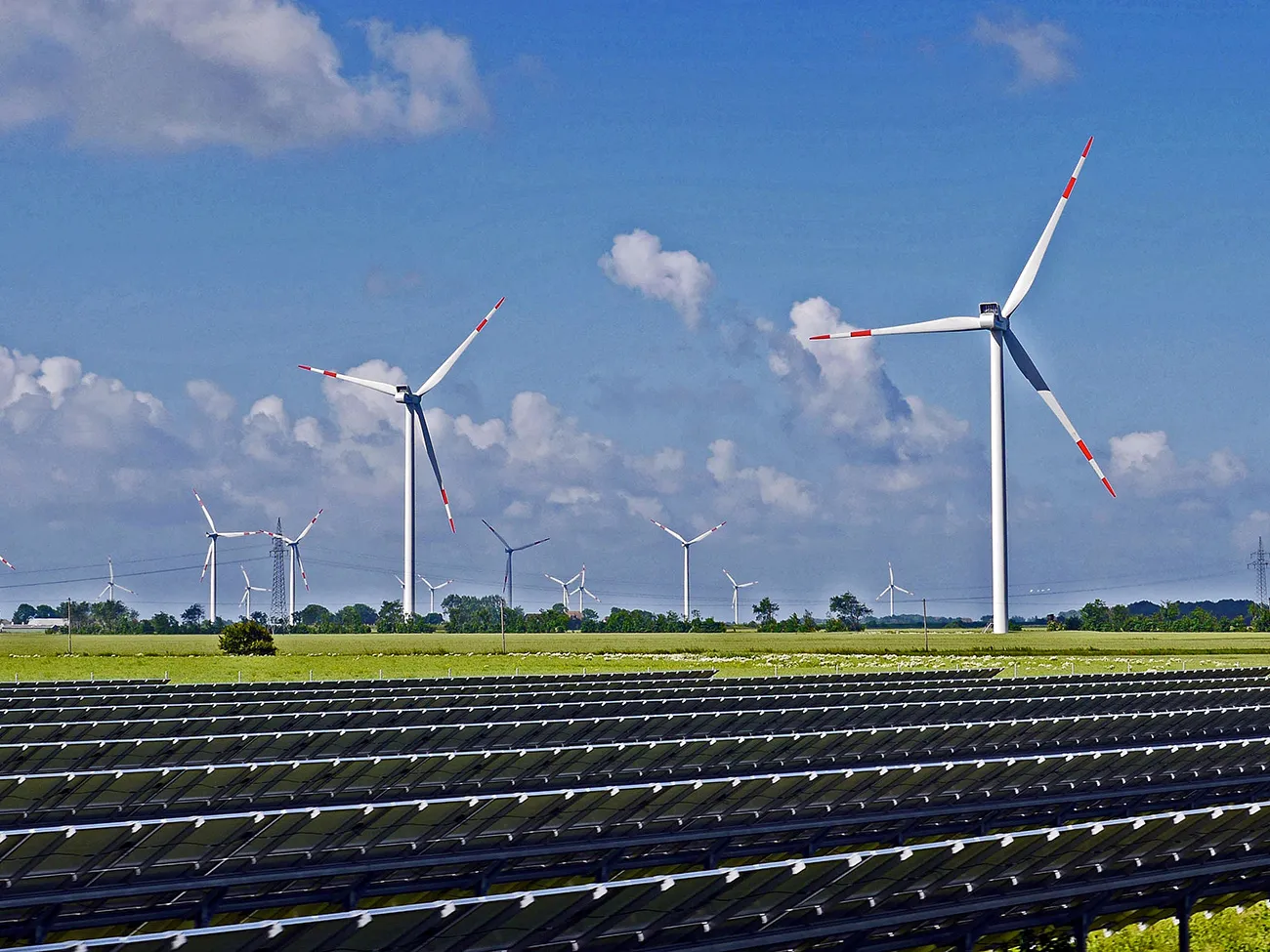
Solar panel sales are on the rise in 2022. The sector reports that the number of installations per month has at least doubled. Rising energy prices are, of course, a major factor.
With energy prices soaring, the prospect of being independent in our energy supply has never been more appealing. PV installations are therefore back in fashion. “Solar installers’ order books are indeed filling up again. Expect waiting times of around three months or even longer,” says Dirk Van Evercooren, Managing Director at Organisatie Duurzame Energie Vlaanderen (ODE). “We have known for a long time why a large-scale shift to renewable energy makes sense. It is a shame that a war is needed to remind us of that. It is of course unfortunate that a terrible event such as the war in Ukraine is needed to remind us. There are not only long-term arguments, such as climate change: renewable energy also offers benefits in the short term. The federal government’s measure to reduce VAT on solar panels to 6 per cent is also playing a major role in the increased demand.”
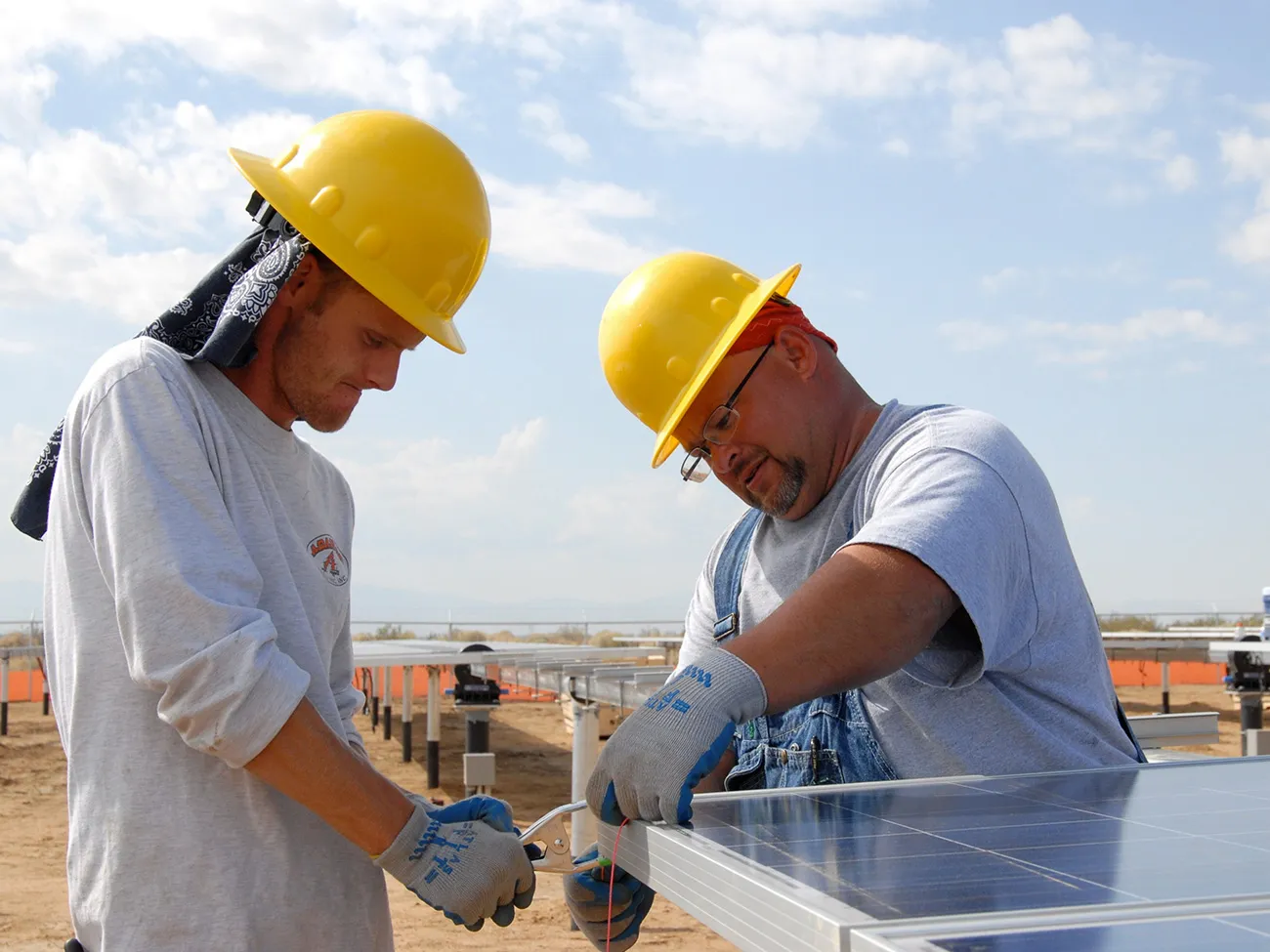
One important caveat to the renewed popularity of solar panels is that those who would benefit most from installing them on their roofs, namely people who currently struggle to pay their energy bills at the end of the month, are not always able to cover the upfront investment. Van Evercooren: “This is a particular problem in rented homes, because landlords have no incentive to invest in measures that benefit only the tenant’s comfort and energy bill. The government is making efforts to tackle this problem, for example through subsidies, but clearly more incentives are needed.”
Ups and downs in the PV market
The outlook for solar panels is positive, a very different picture from a year ago. When the principle of the retroactive meter was definitively scrapped following a ruling by the Constitutional Court in February 2021, solar panels seemed to have fallen out of favour. “That shows the role that the mood of the moment plays. Emotions still too often outweigh the facts.
Solar panels were already a worthwhile investment in 2021, far more profitable than leaving your money in a savings account, for example. But people had lost confidence. We are now seeing the sector slowly recover,” says Van Evercooren. “This is not the first time we have seen these ups and downs in the PV market. After green certificates were abolished and the prosumer tariff was introduced, gloomy predictions were rife too. Yet the market gets going again each time, because the fundamentals of PV technology are sound. The difficulty is that it is extremely hard for the sector to find qualified staff, and above all, to retain them.”

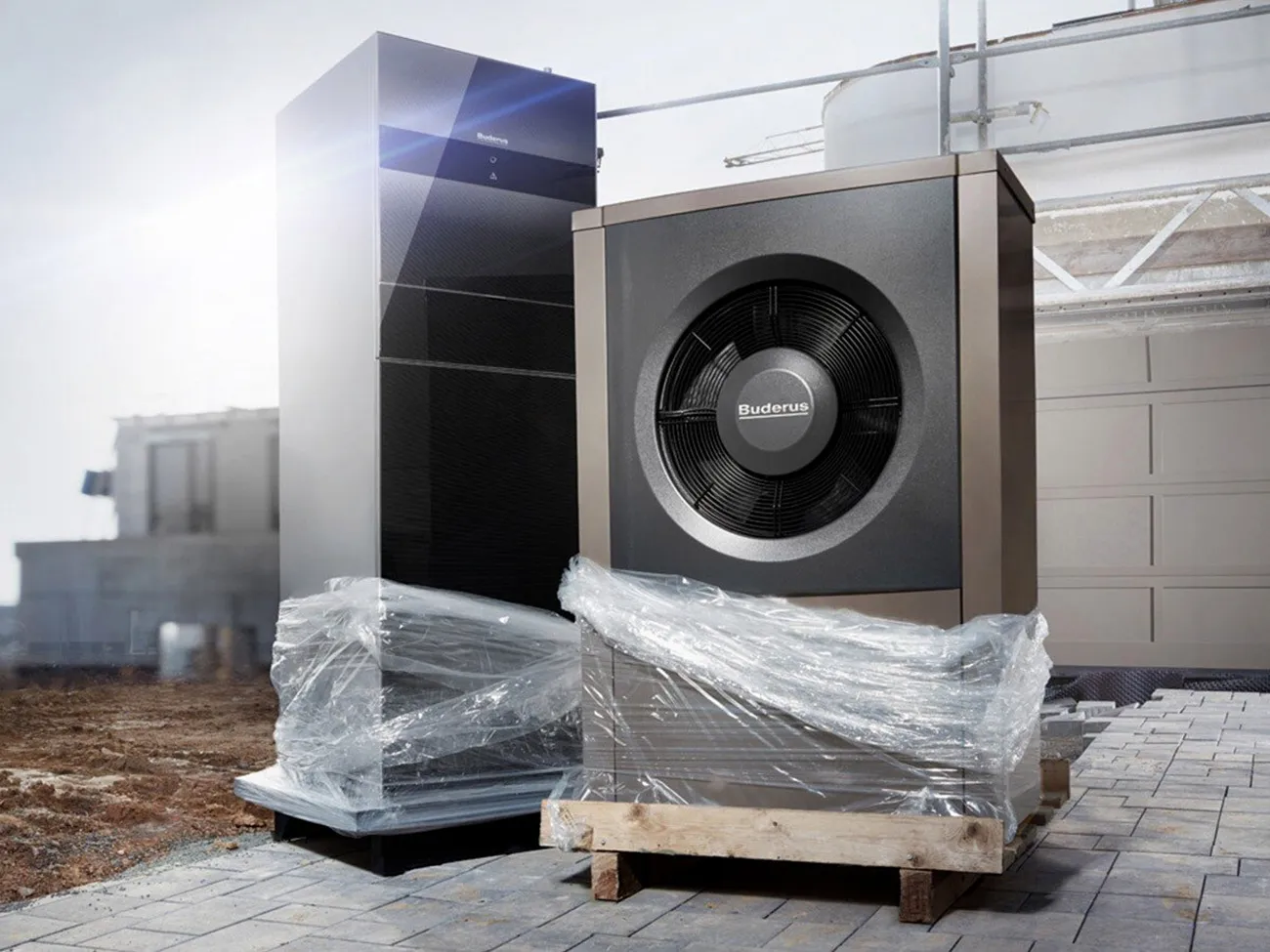
Another conclusion drawn after the Constitutional Court ruling was that people with both solar panels and a heat pump had been doubly unlucky. Heat pumps run mainly in the winter months, while panels generate electricity mostly in summer. Yet the combination remains worthwhile, says Van Evercooren: “Provided users make the right choices in terms of system sizing and orientation. In the past, people often opted for a south-facing array, whereas east-west is more appealing in the current context. Smart controls can also help increase efficiency.”
“Every additional panel will already increase self-consumption, and that will rise in the future. So filling your roof with panels is not a bad idea. Feed-in tariffs are currently attractive. The more panels you install, the lower the price per kWp, because the fixed costs can be spread more widely. Each additional panel therefore costs less per Wp,” adds Van Evercooren.
No battery needed
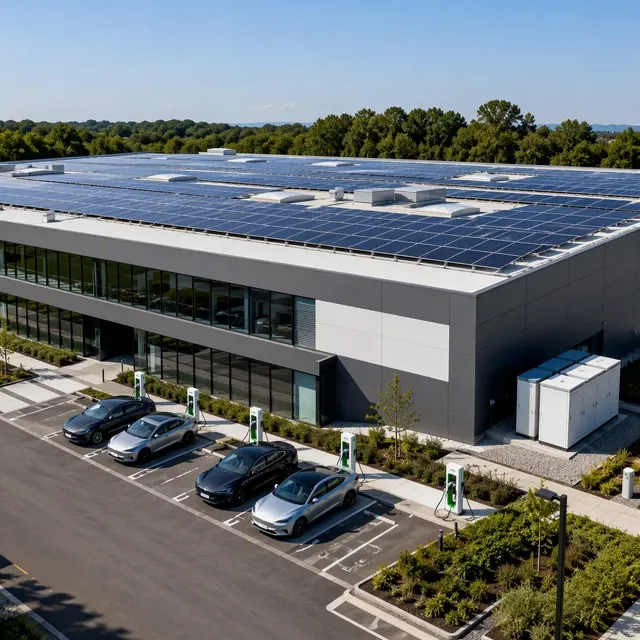
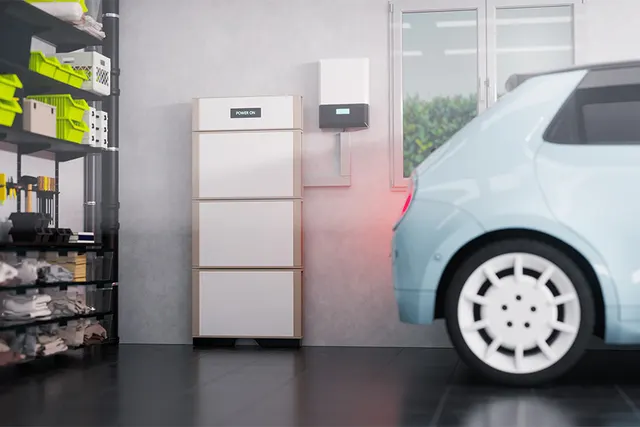
According to ODE, there is no need to wait until batteries become commonplace. “If you install a new, correctly sized system, you do not really need a battery. It makes more sense to look at integrating your PV installation with a heat pump, and especially a heat pump water heater or an electric car. If you can fully charge an electric vehicle with solar power once a week, your self-consumption is already so high that a battery is no longer needed,” concludes Van Evercooren.
ODE: ‘Renewable energy is the key’
Flanders’ renewable energy sector is ready to deliver a huge pipeline of projects in wind and solar power, heat networks and heat pumps. A further 1 GW of onshore wind and 1 GWp of additional solar panels each year are achievable. So are 200,000 additional heat pumps by 2030. Now is the time to focus on energy efficiency and renewable energy. Read ODE’s full press release below.
The current energy crisis and the situation in Ukraine highlight the need for drastic short-term action. The potential is there, and it is enormous.
The federal and Flemish governments are both drawing up energy plans. These are positive signs in themselves, but it is clear that action must be much faster. More than 1 GW of additional onshore wind capacity could be developed relatively quickly in Flanders through decisive action. And we have already proved that we can install 1 GWp of solar panels a year.
Fast solutions are available now
The renewable energy sector is ready to deliver a host of new investment projects. We have the expertise, technology and capacity to deliver new projects quickly and significantly accelerate the sustainable energy transition. These include onshore wind, solar power, energy storage (both thermal and electrical), demand-side flexibility, electric vehicle charging, sustainable biomass, heat pumps, heat networks, aquathermal and sewer heat, agrivoltaics, building-integrated PV, and a clear, supportive renovation strategy.
Our heat demand is still met predominantly by fossil fuels. The solution is available here too: heat networks and heat pumps have enormous potential to decarbonise our heating and cooling needs. The VVSG heat inspiration map will help local authorities decide which areas are suitable for heat networks. In areas where a heat network is not feasible, heat pumps can meet the remaining heat demand sustainably. Heat pumps will also increasingly be used to supply heat networks and other collective systems, including through aquathermal and sewer heat.
Some figures
The following figures show that the sector is ready to step up a gear:
Onshore wind: If the federal government can lift the unnecessary restrictions imposed by defence and civil aviation guidelines, a further 800 MW of onshore wind could be developed. In Flanders, around 240 MW of onshore wind permits are currently subject to proceedings before the Council for Permit Disputes. These appeal proceedings should be dealt with swiftly. The Flemish government is certainly making efforts to achieve this. In any case, the wind sector has the permits it needs to add at least 185 MW and 150 MW of additional turbines this year and next year, respectively.
Solar: with a stable, confidence-inspiring investment climate and a predictable call system, the bar can certainly be set higher than the 450 MW/year target set by the Flemish Government. In 2020, we proved that we can sustain annual growth of 1 GWp in additional solar panels.
Heat networks: the potential of heat networks to decarbonise our heating and cooling needs is enormous. The estimated potential for heat networks in Flanders ranges from 13 to 52 per cent (with current higher fuel prices, the average is around 38%) of the (reduced) heat demand in 2050. This estimate does not yet include the potential of new heat sources (e.g. ATES/BTES, aquathermal energy and sewer heat) beyond waste heat, so it is still a cautious estimate.
Heat pumps: The renovation market is growing year on year and is becoming the main market for heat pumps. To sustain this growth, it is important to support all types of heat pump in the same way. Given current growth rates, we can expect more than 200,000 additional heat pumps by 2030.
What is needed?
1. Acceleration
Governments must accelerate and facilitate these projects and investments by creating a favourable, stable, predictable, confidence-inspiring and clear investment climate, speeding up and shortening appeal proceedings, and communicating positively on the basis of a long-term vision. When it comes to energy, 10 years is not really a long-term strategy. This vision must set out a clear path towards a completely fossil-free society by 2050.
For heat networks in particular, the government, at local and regional level, has a major role to play in driving these projects forward. Infrastructure projects such as Ventilus are also essential to the energy transition. In addition, households and businesses in Flanders need guidance and support to tackle the enormous renovation challenge.
Dirk Van Evercooren, Director of Organisatie Duurzame Energie: “It is important to recognise the many benefits that renewable energy will bring us immediately, such as independence from imported fossil fuels, better health (less pollution), well-being (less transport noise), and economic opportunities in the form of jobs and investment. Investing in renewable energy is a societal project, not a cost.”
2. Confidence & stability
Above all, now is not the time to undermine investment confidence by reneging on existing government commitments or cutting back on subsidies. There is certainly no question of going back on commitments made in the past.
Now is the time to train the technically qualified people we need to deliver the energy transition on the ground. The current high prices for fossil energy have gone some way towards correcting the imbalance between the cost of sustainable and fossil energy use, but a structural measure is still needed to reduce electricity bills and, conversely, to ensure that the environmental and other societal costs of fossil energy sources are properly reflected in their price.
‘We have the expertise, technology and capacity to deliver new projects quickly and significantly accelerate the sustainable energy transition.’
‘Expect waiting times of around three months or even longer.’
For ODE, combining heat pumps with PV installations remains worthwhile.
‘More than 1 GW of additional onshore wind capacity could be developed relatively quickly in Flanders through decisive action. And we have already proved that we can install 1 GWp of solar panels a year.’
‘If you can fully charge an electric vehicle with solar power once a week, your self-consumption is already so high that a battery is no longer needed.’
‘We have known the reasons for switching to renewable energy on a massive scale for a long time. It is a shame that it takes a war to remind us of them.’
‘Now is the time to invest in training the technically qualified professionals we need to deliver the energy transition on the ground.’
Question about this story? Ask your question
Keep following this
Get an email when a new story is published. No account needed.
- SubjectElectrical