Flexible power supply system for EV charging points proves a hit
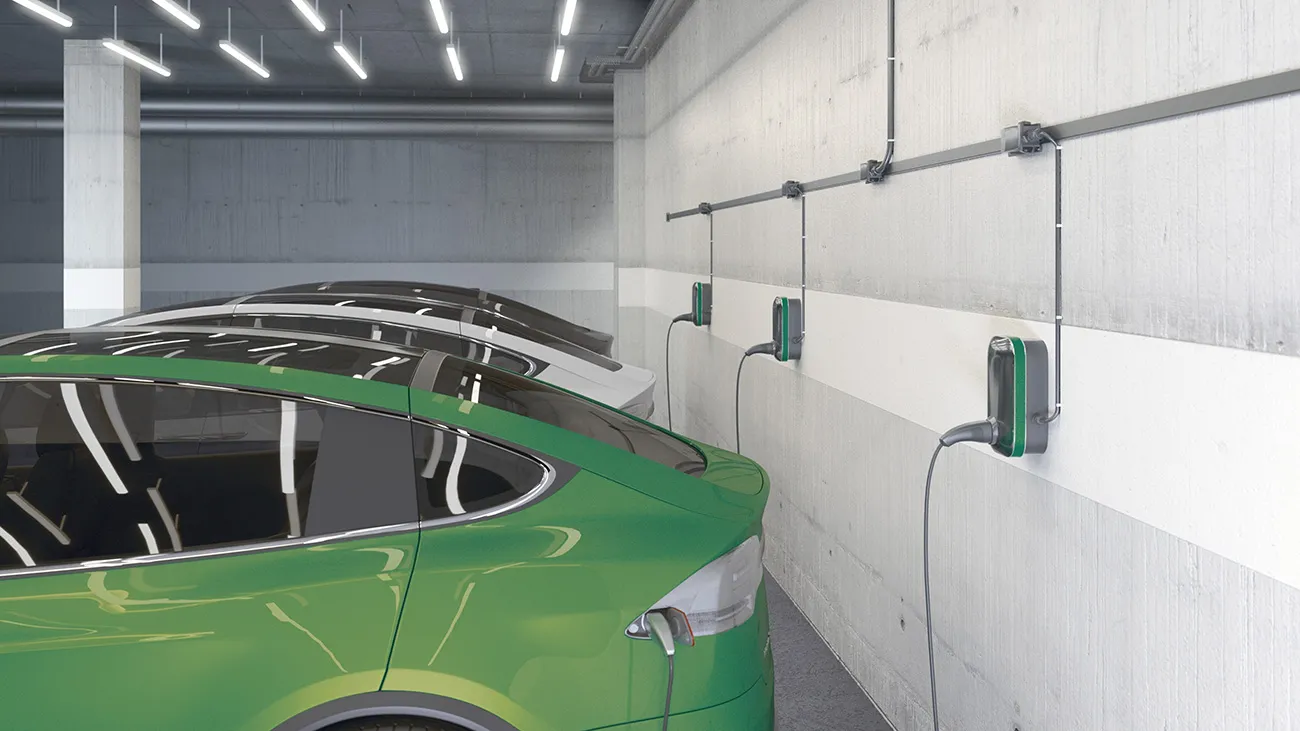
Since Wieland Electric launched podis®, its power supply system for EV charging points, the phone has not stopped ringing. With electric mobility gaining momentum like never before, many installers are interested in an efficient system for charging several cars at the same time.
From 2026, all company cars in Belgium will be electric. In other words, we need to prepare now for a huge boom in electric mobility. The infrastructure must keep pace, and the first question is: where will the charging points go? Wieland Electric is actively helping to roll out the infrastructure needed on a large scale. The company believes in shared connections, for example in car parks.
Ready for future expansion
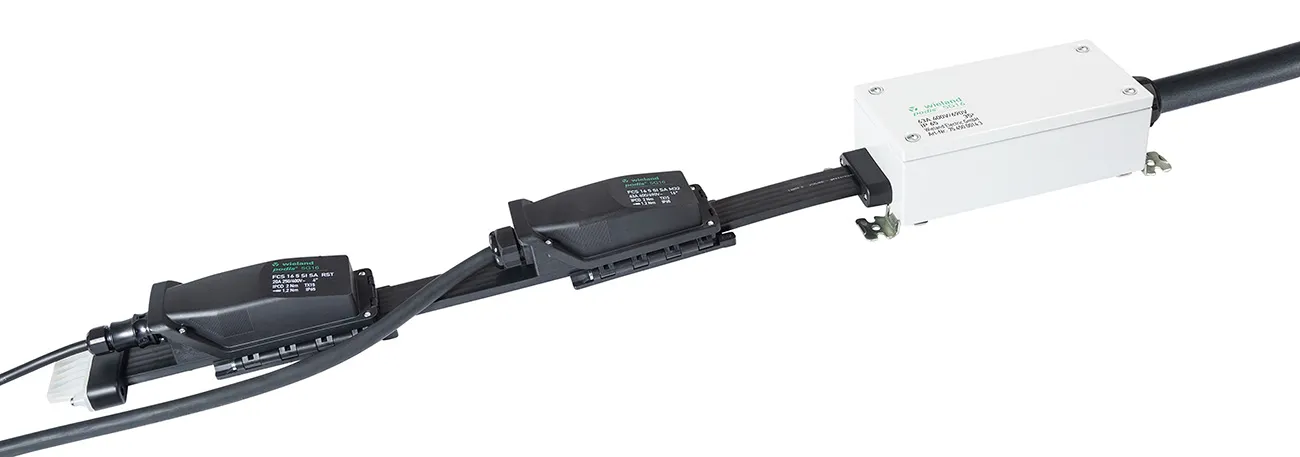
The flexible, decentralised podis® flat-cable power bus system makes it easier than ever to connect several charging points to a single cable. Koen Notelaers, Sales Director Building Solutions BeLux at Wieland Electric: “With podis®, installers no longer have to run separate cables to every charging point. What’s more, it is easy to add charging points in future as demand grows. Installers do not need to run a new cable then either. They can simply fit a tap-off unit to the existing flat cable, without having to make any changes to the main distribution board. This future expandability is a useful advantage for a building where only a few people currently have an electric car. In a few years, the picture may look completely different.”
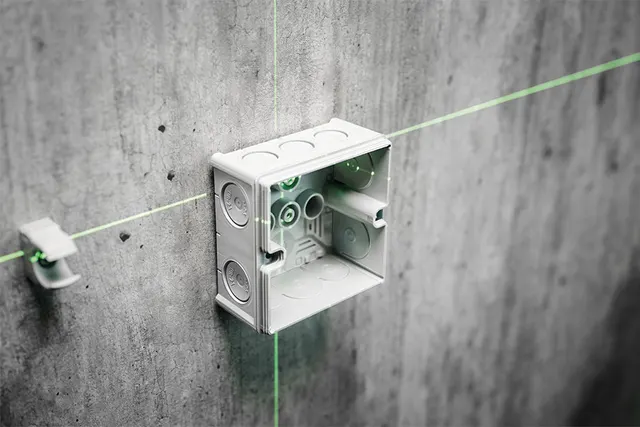
Installing podis® requires no cable tray or conduit. The entire installation can simply be fixed to the wall. The insulation-piercing contacts on podis® components allow the connection modules to be positioned quickly and flexibly wherever required. podis® is also universally compatible, as the system works with any charging point, regardless of make or type.
Distributed use
podis® is also ready for the expected rise in electric vehicles in terms of power capacity. “It is a misconception that one 63-amp cable will not be enough. In a car park in particular, usage is inherently spread out. The cars do not all charge at the same time, and they do not all need to be fully charged before their drivers set off again. It is completely wrong to assume that every charging point needs 32 amps at all times. That is not the right way to think about electric mobility,” says Notelaers.
At a later stage, the system can be linked to software that ensures energy is distributed efficiently across the charging points. Notelaers: “This allows the system to take account of the charge level of each battery: is it at 90 per cent, or only five per cent? It is also possible to specify how long the vehicle will remain on site. A car that needs to be ready to go again in half an hour requires full power, unlike one whose driver will be at the office all day.”
Question about this story? Ask your question
Keep following this
Get an email when a new story is published. No account needed.
- SubjectElectrical