Drilling starts on Flanders’ largest geothermal heat network
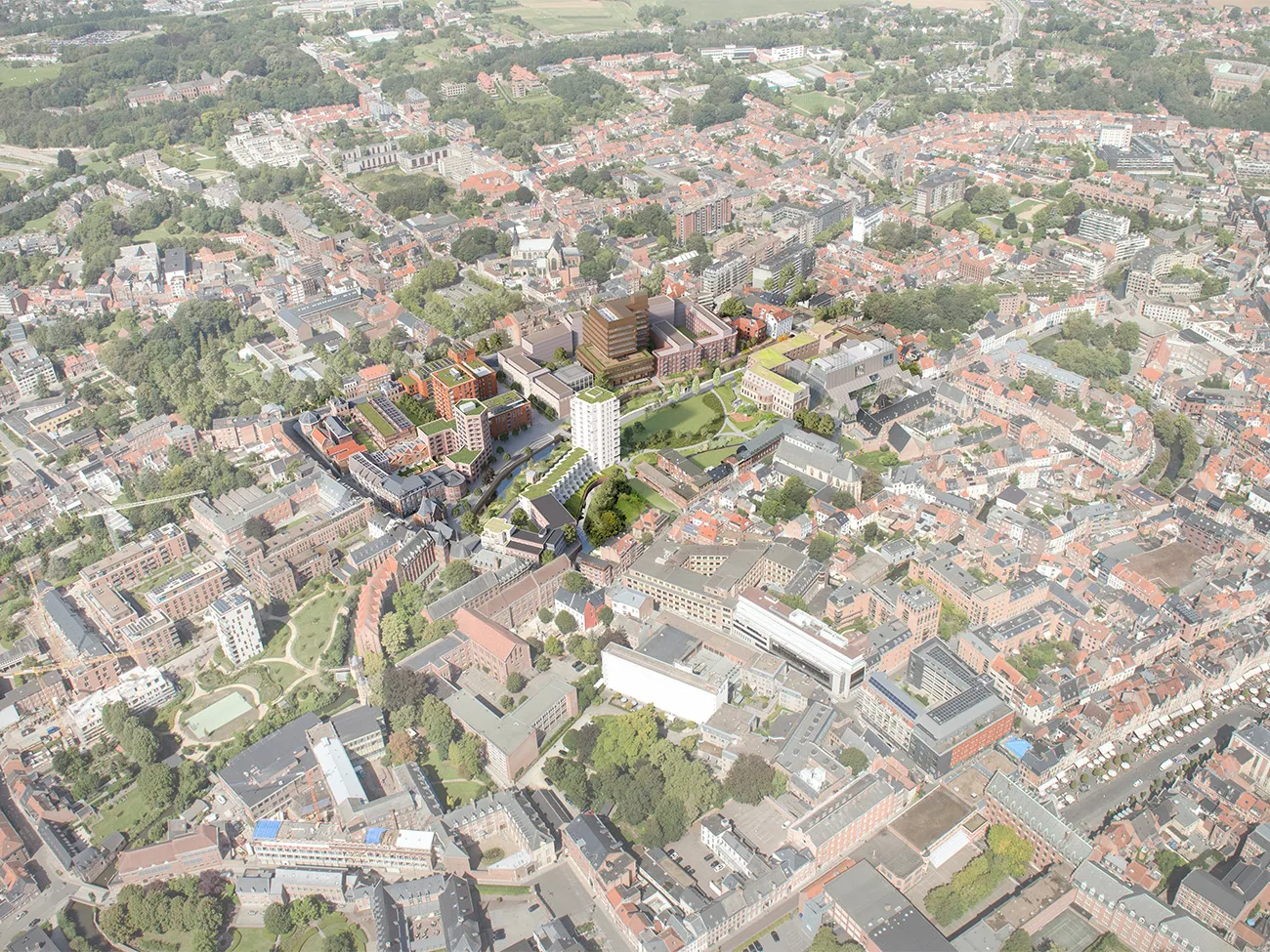
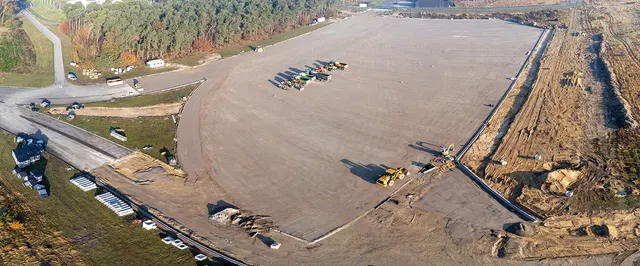
Drilling began in April at the Hertogensite in Leuven to install a geothermal heat network. The network uses heat from the ground to heat buildings and homes. To bring that heat to the surface, property developer Resiterra is now drilling around 300 boreholes, up to 150 metres deep. It is an environmentally friendly, sustainable alternative to conventional energy sources, as it uses no fossil fuels and produces no CO2 emissions. The Hertogensite will save up to 1,000 tonnes of CO2 a year in this way. Future residents will also pay less to heat their homes. Figures from nearby Janseniushof, which also has a geothermal network, bear this out. The average household in that neighbourhood now saves around 200 euros a year.
Around 300 boreholes, each up to 150 metres deep, are being drilled across the Hertogensite, which covers almost 7 hectares. Pipes will be installed in the boreholes, extending 150 metres underground before looping back to the surface. A mixture of glycol and water flows through the pipes, absorbing heat from the ground or releasing heat into it. The heat will be distributed via this network of 100 kilometres of underground pipes to the site’s 400 residential units and other buildings.
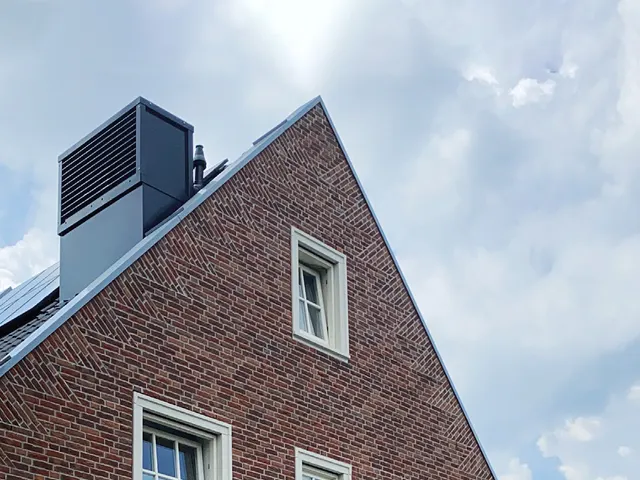
“The environmental benefit is enormous. We can compare it with a similar site, Janseniushof, where we installed a geothermal network in 2017 and have since eliminated CO2 emissions. A home with a gas boiler emits around 1 tonne of CO2 a year. That means we have already saved 300 tonnes of CO2 at Janseniushof over the past 3 years. We want to do the same at the Hertogensite: we will eliminate CO2 emissions entirely from both the homes and the buildings,” says Erik Van Hoof, CEO of Resiterra.
Heating homes and buildings via the heat network will therefore save the Hertogensite around 1,000 tonnes of CO2 emissions a year.
Lower energy bills
That is good news for the future residents of the Hertogensite and their wallets. Environmentally friendly energy does not necessarily have to cost more. On the contrary, anyone moving to the Hertogensite will pay less to heat their home.
Erik Van Hoof: “Janseniushof is a perfect example of how things can be done differently. At a time when energy is becoming ever more expensive, we are seeing the average household at Janseniushof pay less for its energy bills: they save around 200 euros a year. And there is another welcome benefit: as heating oil and gas prices continue to rise, the savings for residents of the Hertogensite will be even greater.
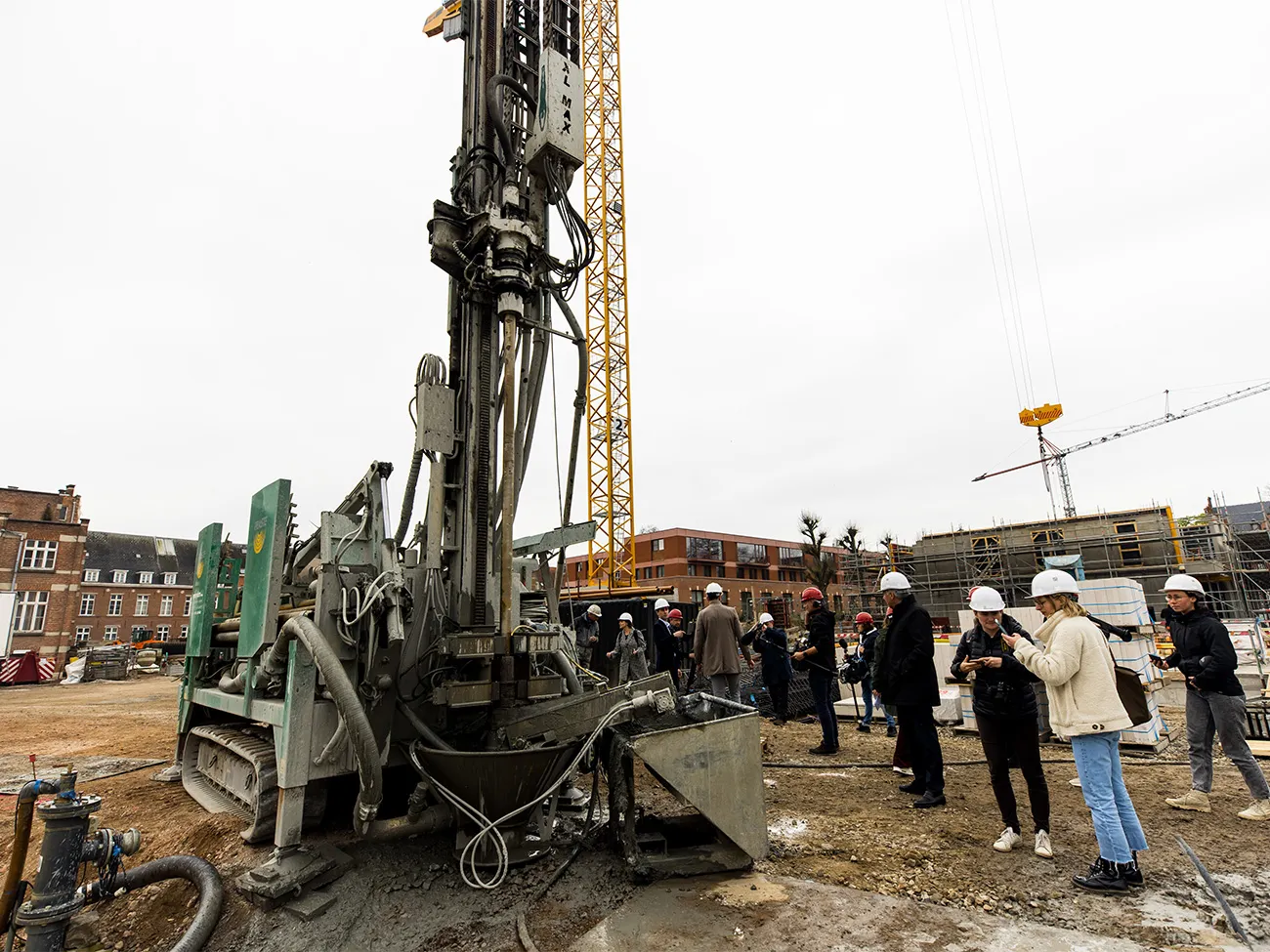
Geothermal energy for all major new-build projects in Leuven
Carl Devlies, Alderman for Spatial Planning, is pleased that drilling is under way. The Hertogensite is Leuven’s largest urban regeneration project and is therefore playing a pioneering role in developing a heat network of this scale. “The Hertogensite is a good example of Leuven’s strong commitment to sustainable urban development. Urban renewal in Leuven is ongoing. Eliminating fossil fuels is more important than ever. If all major future new-build projects in Leuven opt for an ecological and sustainable alternative such as geothermal energy, it will be a win-win for both the city and its residents,” says Devlies.
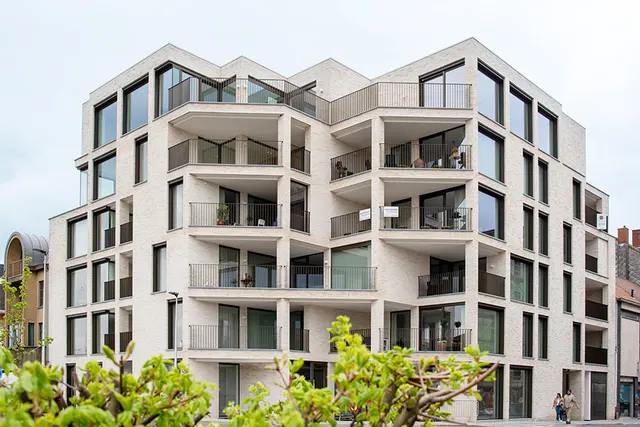
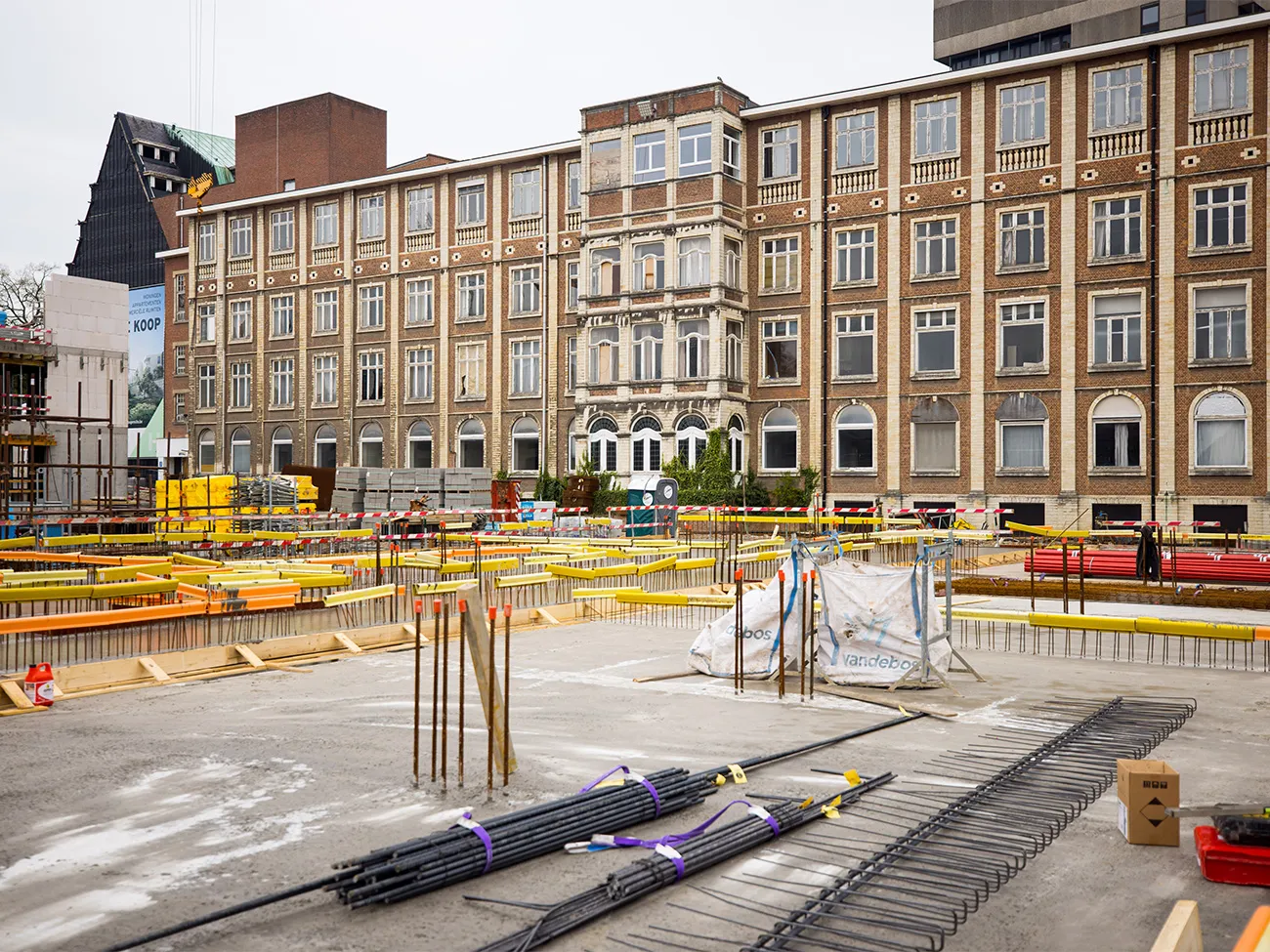
Drilling recently began and will continue until spring 2023. The first residents moved into their brand-new apartments at the Hertogensite a year and a half ago. Over the coming months, Resiterra will continue building two complexes, which are expected to welcome around 300 more residents by the end of 2023.
Question about this story? Ask your question
Who worked on it
Hertogensite in Leuven
- property developerResiterra
Keep following this
Get an email when a new story is published. No account needed.
- ProjectHertogensite
- ThemeFossil-free heating and cooling
- SubjectProjects
- CompanyResiterra