UV-C offers potential, but also poses risks
‘Certification and standards are urgently needed’
As a committed and forward-looking wholesaler, Cebeo is also looking for solutions to combat coronavirus. Cebeo is firmly convinced that UV-C radiation can be part of the solution. At the same time, however, Cebeo urges caution: UV-C radiation is harmful to people. That is why Cebeo is doing everything it can to ensure its customers are fully informed about the regulations and risks associated with UV-C.
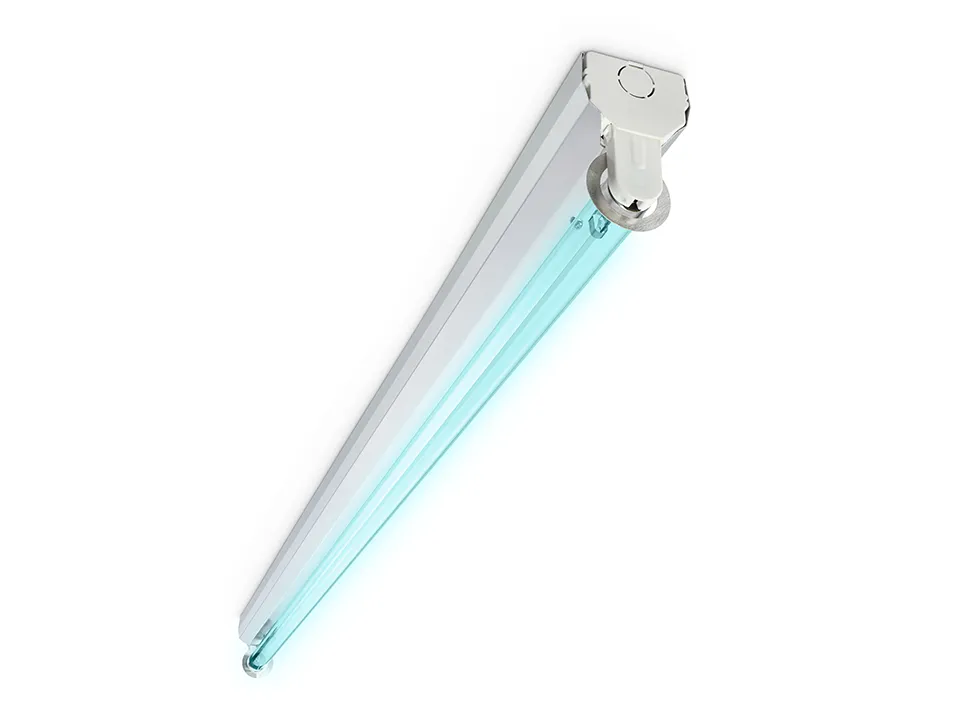
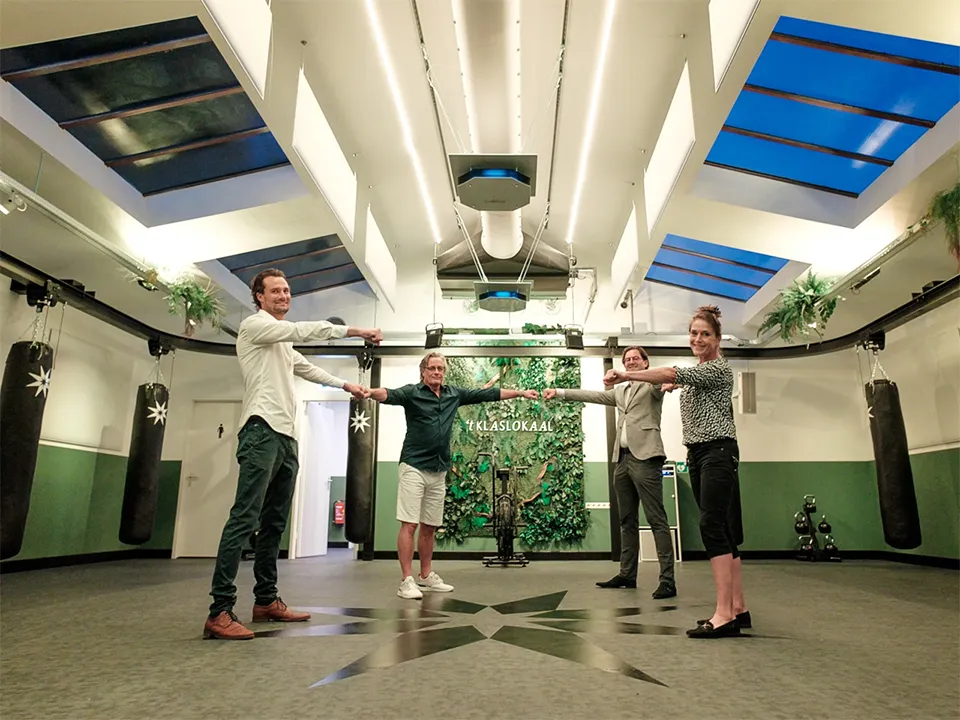
UV-C is a technology that Cebeo has known about for some time. The wholesaler stocks a range of UV-C products. “We have been offering UV-C products for some time, but for a different application,” explains An Moors, head of product management at Cebeo. “UV-C is often used in ponds to combat suspended algae. It is also used in operating theatres and laboratories for disinfection purposes.” Cebeo offers both UV-C lamps and luminaires. Systems that combine UV-C with ventilation are also part of Cebeo’s range. The products span residential and more professional applications, including systems built into ceilings. “The ability to use ventilation systems to remove bacteria from the air is an innovation. Until now, ventilation systems could filter out substances and pollutants, but not bacteria,” Moors notes.
More than a passing fad
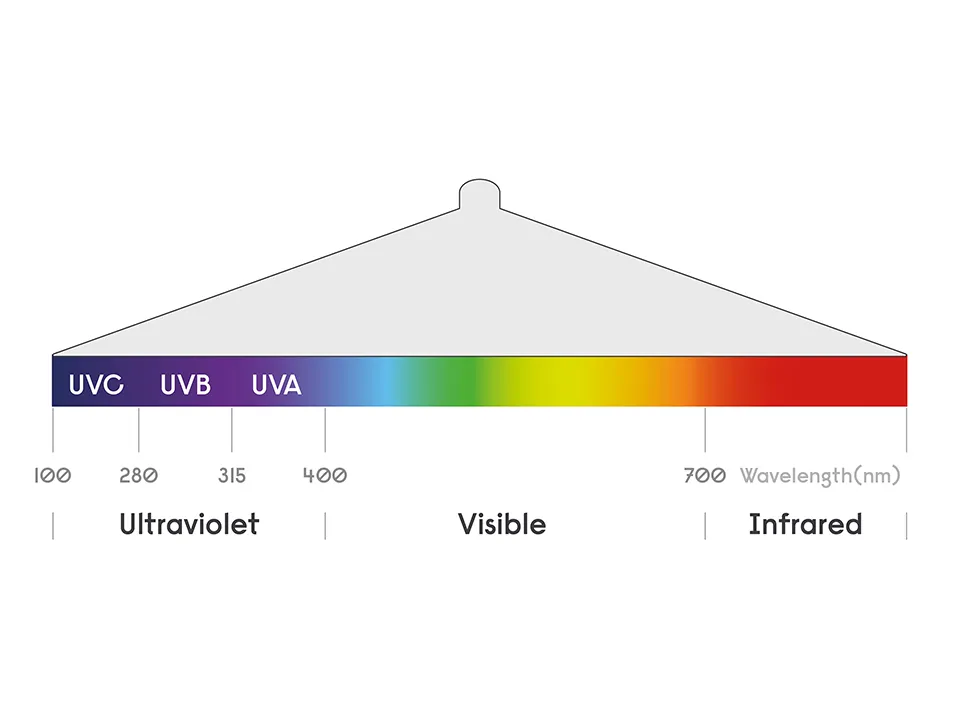
Moors is convinced that UV-C is more than a passing fad. “It is definitely a solution that will stand the test of time. There may be a vaccine for coronavirus, but other pandemics will come our way. UV-C makes it possible to disinfect spaces quickly and efficiently, at relatively low cost and with a straightforward installation.” As interest in UV-C and its potential to combat coronavirus grows, Cebeo’s first priority is to urge caution. Moors says: “We want to make sure our customers are fully informed about the potential consequences of these products becoming widely available on the market. UV-C has potential and a future, but at the same time it is a very dangerous technology. UV-C light is invisible, but its rays can penetrate deep into the skin. This can lead to skin cancer or eye damage.”
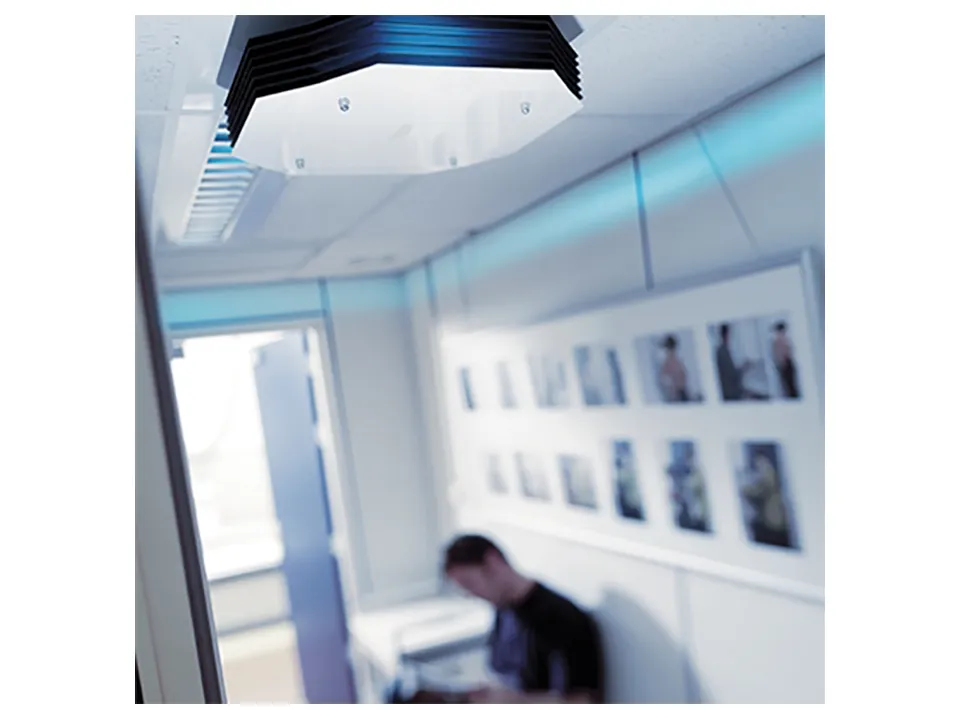
That is why areas in the medical sector are sealed off completely while UV-C lamps are operating. Clear signs indicate that access is prohibited at those times. “If these devices are simply released onto the market, they could be used incorrectly. There is therefore an urgent need for guidelines through certification and standards, like those already in place in the medical sector. The government has a very important role to play here. Otherwise, we risk being flooded with products that do not always warn users of the dangers.”
While clear rules are still pending, Cebeo has taken the initiative to promote correct and safe use. “We make the products available, but only after the customer has signed a form. It explains the risks of UV-C and how to handle them. The document also includes a commitment to ensure the end customer is properly informed,” says Moors.

Far UV-C
Looking further ahead, Moors sees promise in ‘far UV-C’. “This technology has the same advantages as UV-C, but is much less harmful to people. So far, however, only prototypes exist. Far UV-C is certainly on its way, but until then, caution is essential,” Moors concludes.
Een zakelijke vraag aan Cebeo? Get in touch
Companies in this story
Keep following this
Get an email when a new story is published. No account needed.
- SubjectProduct information
- CompanyCebeo