The Third Industrial Revolution: Building Controls
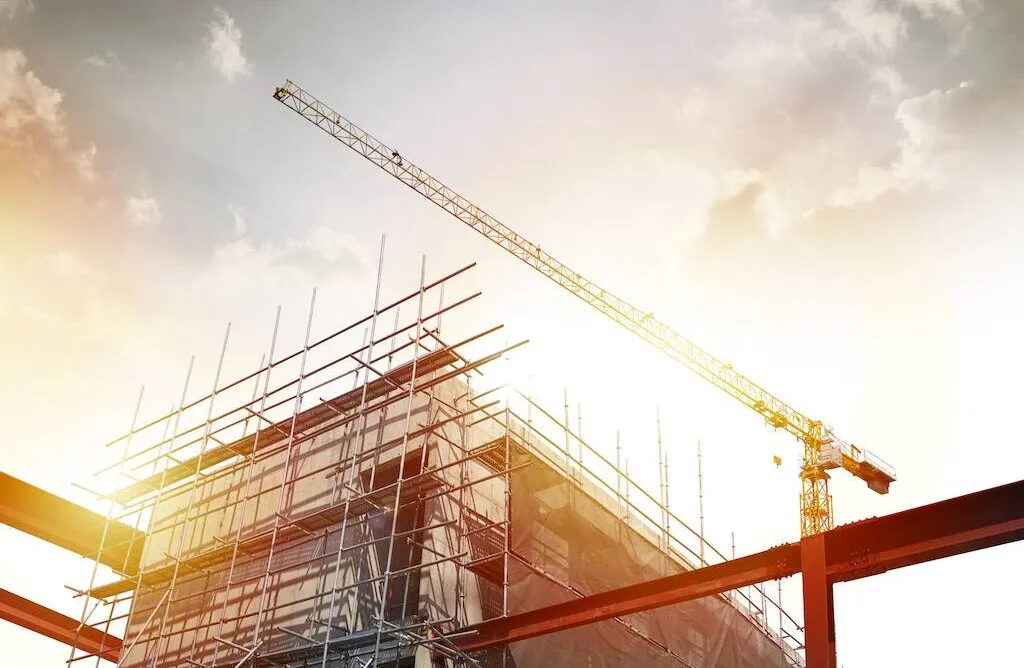
After the First and Second Industrial Revolutions, in the 19th and 20th centuries respectively, the 21st century looks very much like a Third Industrial Revolution.
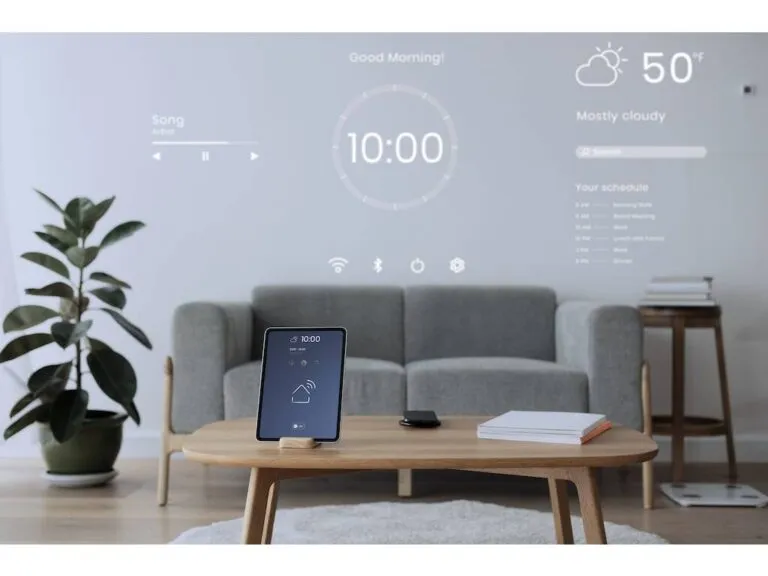
Building automation systems are gradually becoming commonplace and, according to Eloya, will radically change the way we live. This brings a number of key considerations for professionals.
Technological advances over the past twenty years have put these developments and communication tools, along with the management and transfer of information, within everyone’s reach, including the man in the street. This was still entirely unimaginable in the 1950s, for example.
A harmonious life of comfort
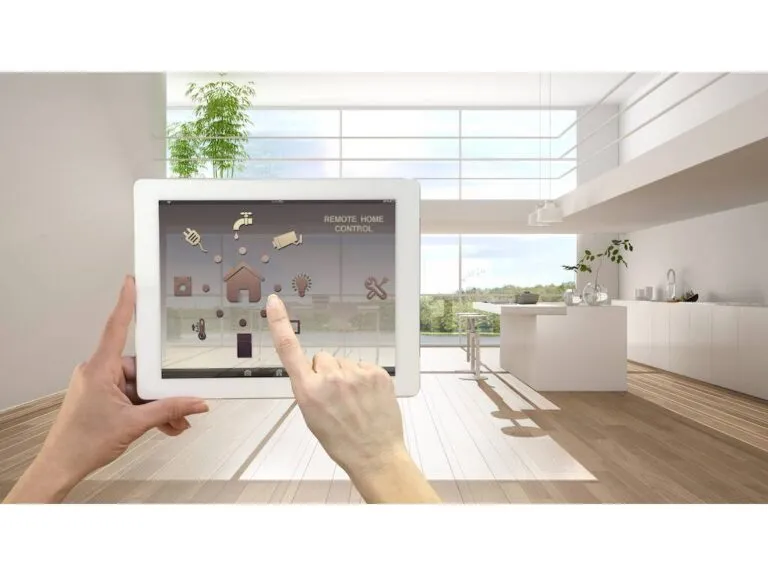
Building automation systems (home automation) are prime examples both of highly efficient, sustainable energy use (a passive house with zero energy consumption) and of ‘a harmonious life of comfort’ in a modern home, with each appliance controlled separately, used and monitored remotely. The concept of a modern, contemporary home also places great emphasis on harmony and balance between all the discreet and subtle technological features working together (complementary technologies). A preliminary analysis of future residents’ needs plays a decisive role in designing the building and selecting the most suitable and necessary technologies. Prior consultation with experts in every field is also crucial to rule out any potential technical errors and additional costs.
Key considerations
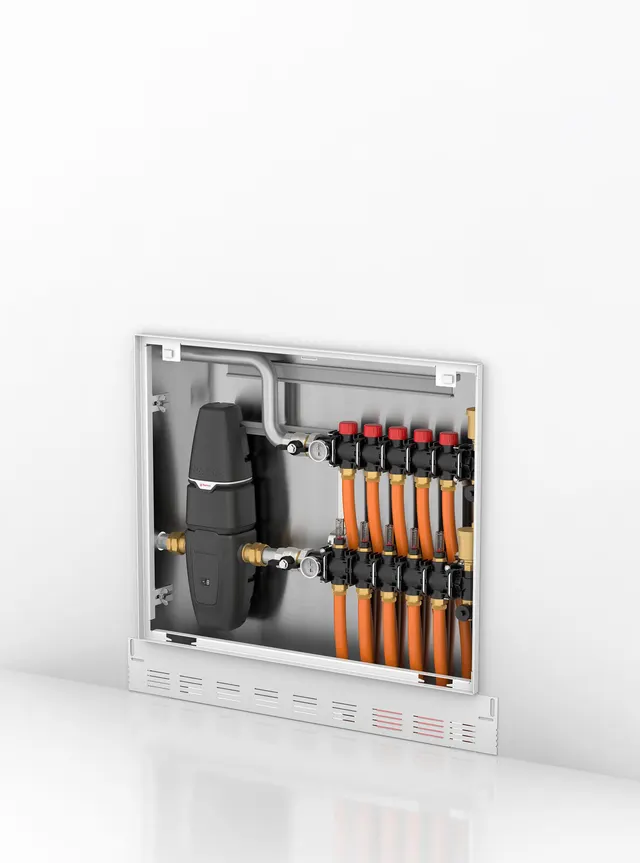
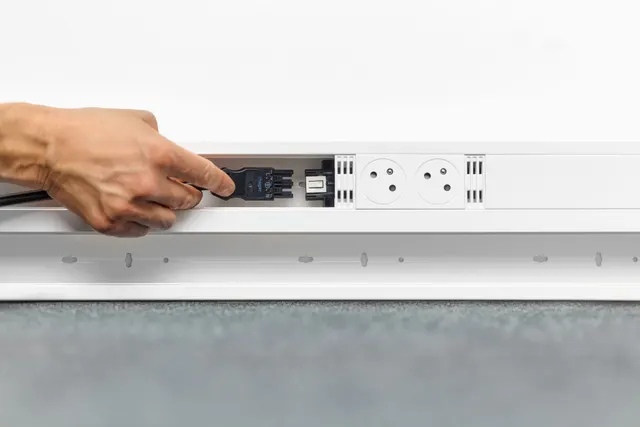
Here are a number of key considerations that must be taken into account: the aspect and position of the home (which direction it faces) and its roof (use of solar and photovoltaic energy); the plant room must be sufficiently spacious and properly laid out; protective conduits must be provided for every type of energy generation (HVAC systems, ventilation in general, heat extraction and supply, thermal heat exchangers, heat pumps, housing and protection for electrical wiring, home automation systems, communication systems, security and alarm systems, CCTV, etc.); provide sufficient electrical cabling and power outlets; cabling for home automation systems, depending on the technology used and/or potential future expansion; Ethernet cabling, particularly for connected devices (such as household appliances, computers, etc.); cabling for security and alarm systems, video and CCTV; cabling for access control systems (badges, radio-frequency security systems, fingerprint systems, iris and facial recognition, etc.); the electrical supply and consumption meter must have sufficient capacity and be robust; dedicated, separate circuits for charging electric and hybrid vehicles.
Everything controlled remotely
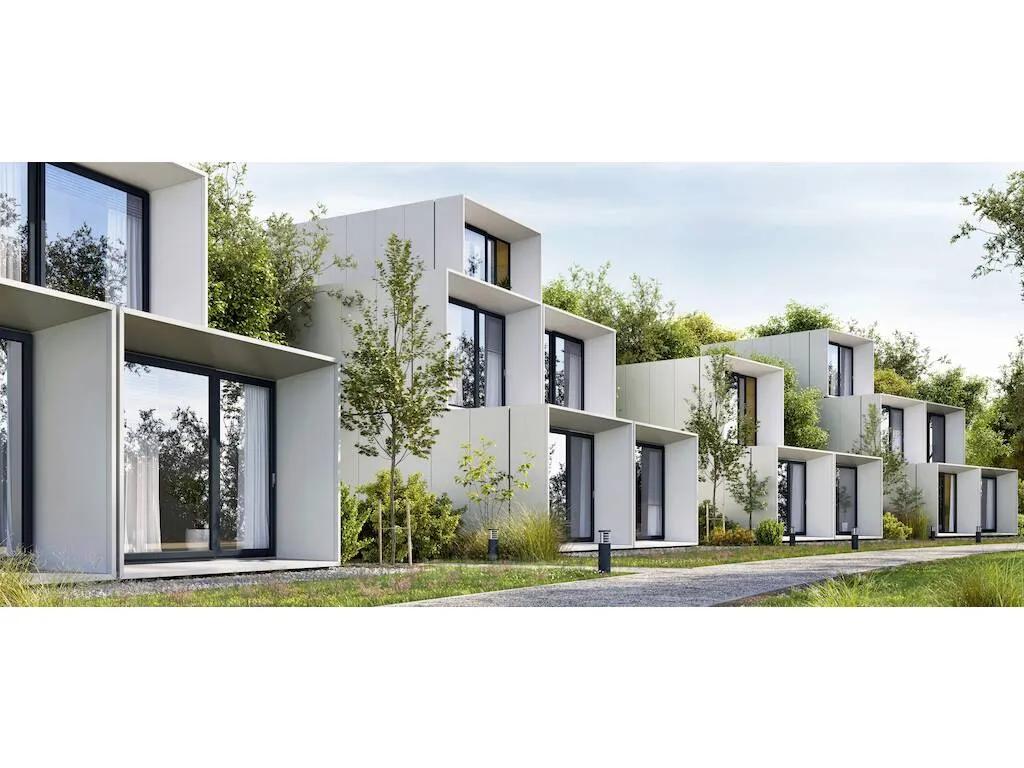
Thanks to these automation systems, homes in the near future will be equipped with the most efficient and appropriate technological features. Before long, everything will be controllable remotely. Automation will become part of everyday life, from simple fully automatic lighting systems to automatically opening and closing the garage door when, for example, a parcel ordered online is delivered by courier, all under CCTV surveillance. Welcome to the future and the world of automation systems!
Question about this story? Ask your question
Keep following this
Get an email when a new story is published. No account needed.
- SubjectProduct information