The Matter protocol creates new possibilities

‘Why I’m convinced that the new Matter protocol will shape the future of #IOT home automation and your home’ was the intriguing title of a blog post by home automation specialist Tim Sevenants, managing director of electrical and home automation company Smart Living. That was reason enough to ask him about the new protocol and its impact on future home automation applications, while also clearing up a few misconceptions about home automation and smart homes.
Smart Living started out as a home automation systems installation company and later expanded its scope to include electrical work. “These days, they’re all part of one package,” says managing director Tim Sevenants. He grew up with home automation. “My father ran an electronics repair shop. As a child, I used to go out with him to repair radios and TVs,” he laughs.
A poor reputation
As an industry expert, Sevenants has seen the concept of home automation and the technology behind it evolve considerably. “It’s still a bit of a ‘dirty word’. Over the years, a wide range of brands and products have been on the market, particularly in Belgium, with no real cohesion between them. Many home automation solutions were too complicated, with too many options you don’t need. Tech enthusiasts like me love that, but the average user had forgotten all those buttons and functions within three days. None of that did home automation’s reputation any favours.” In his view, the technology behind home automation has never been ‘too complex’. “The main problem is that installers can’t keep up with the huge amount of information coming their way, especially when virtually every manufacturer tells them they’ve got the next wonder product. That makes it difficult for them to give the right advice.”
Safe, reliable, seamless
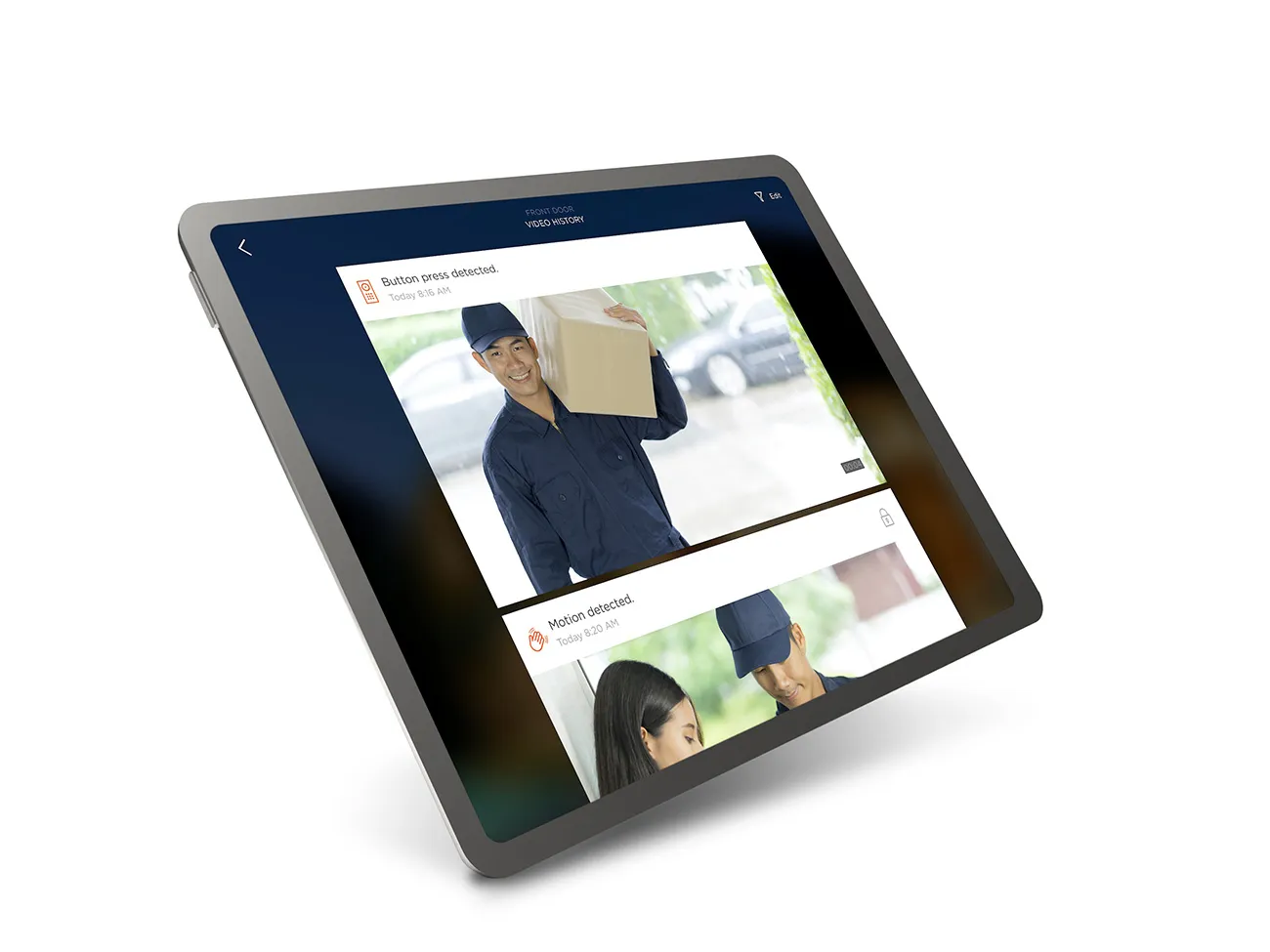
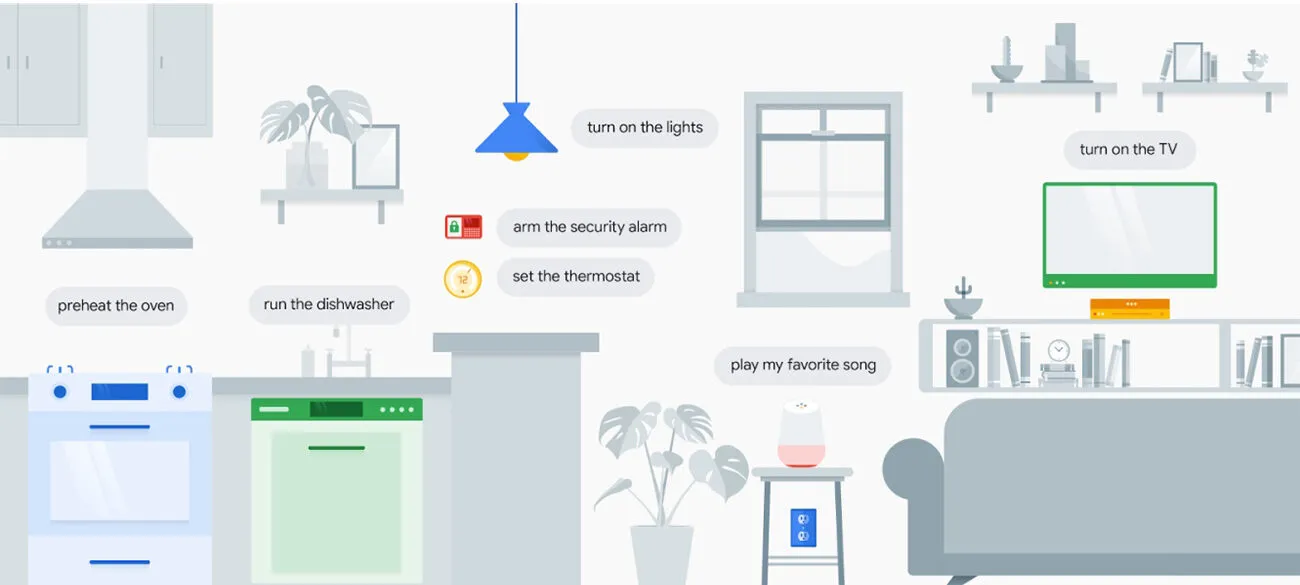
Sevenants says a good home automation solution must meet three criteria: “It must be safe, reliable and what you’d call seamless: the user shouldn’t even notice they’re using home automation. The solution must always serve a purpose and be simple.” Change is on the way, Sevenants believes, and the new Matter protocol has everything to do with it. “Matter addresses one major problem with existing home automation applications: compatibility,” he says. The aim of the project was to create a uniform, standardised approach that smart home manufacturers can follow to make their devices compatible with all ecosystems. “Matter means that the big tech giants, such as Apple, Google and Amazon, have formed an alliance with major players in the electrical engineering industry. The result is that all smart devices developed will be compatible with the protocol.” Sevenants sees this as a groundbreaking development, comparable to what happened in the automotive industry: “There, too, you have all sorts of different brands, which at a certain point decided that the pedals and controls in cars should all look the same.” Thanks to Matter, products and solutions from many different brands can communicate with one another without the end user even realising what is happening. And that doesn’t have to mean small companies and start-ups are pushed out of the market. On the contrary, says Sevenants: “Many small IoT companies can hitch their wagon to Matter and benefit from it too. The Matter protocol is open source, after all, so small companies can play their part as well.”
Air quality and smart energy systems
As Sevenants goes on to explain, smart homes and home intelligence have not yet reached their final destination: “The coronavirus crisis has put the importance of air quality firmly in the spotlight. You can already see home automation manufacturers preparing to respond, and that trend is under way. Apps that indicate when air quality falls below a certain threshold and automatically control ventilation? They’re definitely on the way. Smart systems will also play an increasingly important role in renewable energy, such as a home battery that is switched on when high-consumption appliances are running in the home.” Sevenants is optimistic about the future. “Matter is the start of collaboration between manufacturers that should have happened a long time ago,” he concludes. “I hope that in the future I’ll be able to tell my customers they can use a single app to control almost everything in their home.”
Question about this story? Ask your question
Keep following this
Get an email when a new story is published. No account needed.
- ThemeSmart building integration
- SubjectProduct information