More than just an ERP package
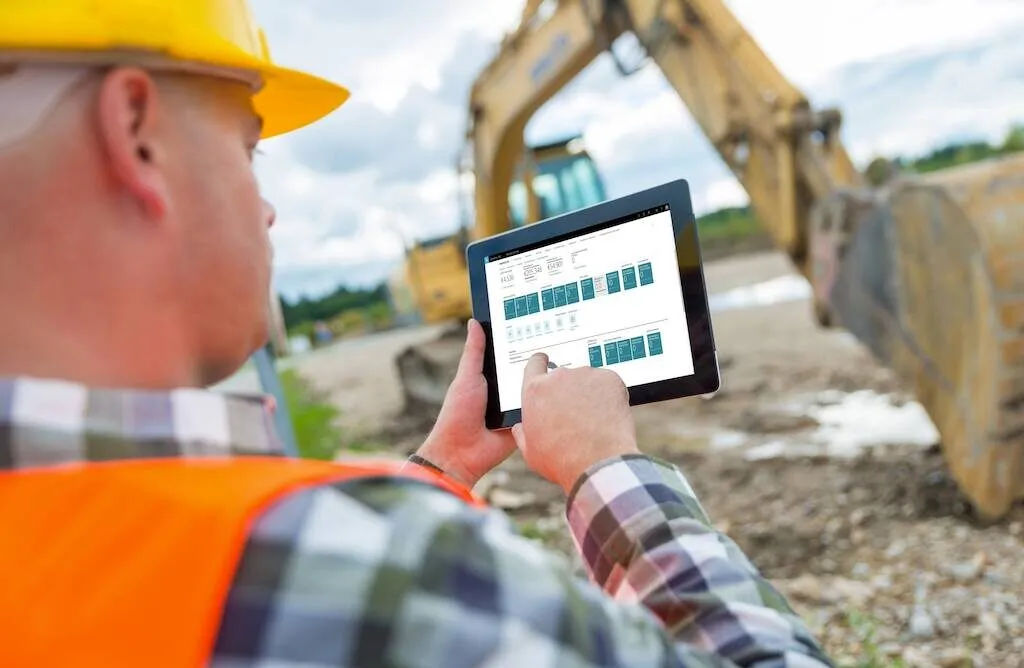
Digitalisation is now an essential part of running a modern installation company. Specialist 4PS Belgium advocates a far-reaching approach to digitalisation that goes well beyond simply using an ERP package. With an open platform that includes the 4PS Construct ERP package, 4PS is focused on making efficient use of data. As a Microsoft Gold Partner, 4PS Belgium makes smart use of the innovative capabilities offered by Microsoft’s platform.
4PS is a Dutch company with extensive experience in the ERP market. Mathieu De Glas, Managing Director at 4PS Belgium: “When the company started out twenty years ago, there were no packages specifically designed for the construction sector. A construction company had to commission a bespoke package or use a standard ERP package. At the time, these were mainly geared towards distribution processes, whereas construction companies tend to work on a project basis. 4PS offered a solution.” A great deal has changed in those twenty years. The digitalisation train is gathering pace, and is now rolling through the construction sector too. In 2021, mobile applications and cloud solutions are no longer a luxury. “More and more construction and installation companies are investing in digitalisation because it is delivering tangible results. Companies can keep a closer eye on their projects, communicate in real time and take action proactively,” says Mathieu.

Continuous improvements
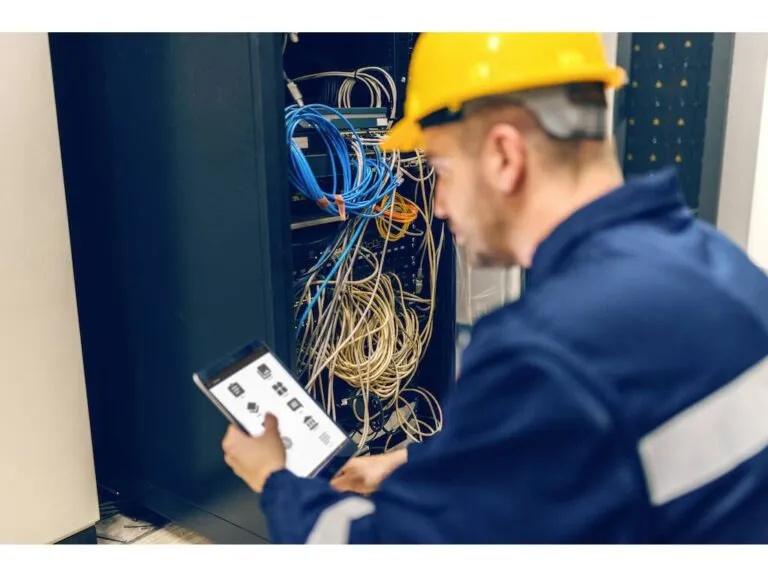
With Microsoft Dynamics 365 4PS Construct, 4PS offers a tool that supports the end-to-end business processes of a construction or installation company. The tool’s main purpose is to connect processes and centralise data: enter it just once and work from a single version of the truth. The story of 4PS Construct is never over. “A team of 300 people works on developments and improvements every day,” says Mathieu. With 4PS Construct, companies prepare quotations using automated estimating tools. The system then generates a work plan and schedules materials and staff. Mathieu: “There’s no need to exchange site sheets on site any more. The system records material consumption and working hours, reducing errors and making communication easier.” Aftercare should not be overlooked either. “Installation companies are increasingly becoming service companies, for example through maintenance contracts. The software can automatically notify customers when maintenance is due.” 4PS is also strongly focused on efficient mobile working. “Our offering includes various options, including standard integrated apps that can, for example, be used offline. It is also possible to provide smaller, potentially bespoke, Power Apps. These are designed for specific, individual tasks and are therefore easy to use,” says Mathieu.

Microsoft Power Platform
Technology never stands still, and neither does 4PS. In recent years, the company has worked hard as a Microsoft Gold Partner to evolve from a pure ERP package into a platform solution: an ecosystem that includes the ERP solution. The ecosystem is shaped, on the one hand, by Microsoft 365, which includes a range of productivity solutions that help centralise data and make collaboration between employees easier. On the other hand, there is Microsoft Power Platform. This platform comprises various applications that enable the data generated by 4PS Construct to be put to good use. Mathieu: “What do the data mean? By using data as a benchmark, a company can compare them against certain key performance indicators (KPIs) and improve its operations as a result. It’s not just about recording data, but also about optimisation.” Power Automate, for example, makes it possible to automate workflows. “For installation companies today, automating routine tasks offers the greatest return. If you can help a hundred employees work two hours more efficiently during a 40-hour working week, you can save up to 320,000 euros a year,” says Mathieu. “In this way, Power Platform not only centralises data, but also enables greater automation.” Mathieu believes there is still a long way to go in digitalisation. “Automation has long been commonplace in the financial sector: think of OCR technology that automatically recognises and processes invoices. There is still a great deal that can be automated in the construction sector, and developments in BIM, supply chain integration and robotics will play an important role,” predicts the Managing Director.
Question about this story? Ask your question
Keep following this
Get an email when a new story is published. No account needed.
- SubjectProduct information