If we need yet another rule, let it be ‘systems thinking’

Techlink, the professional federation for installation technology, is making a heartfelt appeal for systems thinking to become the norm in the energy landscape. After all, “systems thinking” should be ‘the’ way of approaching things. Techlink defines systems thinking as a holistic approach to the energy transition and the regulations governing it.
In the post-Covid era, a stable regulatory investment climate is more important than ever to sustain further growth in renewable energy and achieve the 2030-2050 targets.
Recent debates about changes to DSO tariffs[1], provincial taxes on companies’ PV installations, differing RESCert requirements across the regions, and even the persistent, critical shortage of technically trained installers all illustrate an overly fragmented approach.
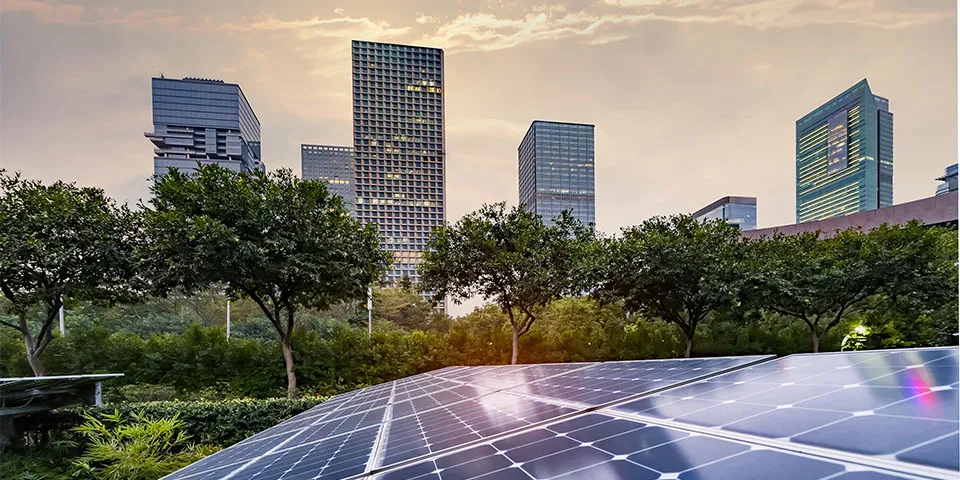
The potential for PV installations on large roofs remains considerable.
A stable network tariff structure, including for PV
In its response to the VREG consultation on the tariff methodology for small consumers, Techlink reiterated that designing a stable, future-proof distribution network tariff structure should be a key consideration. After all, every new tariff structure affects willingness to invest in small-scale PV, heat pumps, CHP, electric vehicles and/or demand response and decentralised storage.
It is common knowledge that investors pull out when this framework is constantly changing, with residential investors probably even more likely to do so than B2B investors. Persuading citizens to ‘take action’ towards the 2030-2050 targets is already a major communications challenge in itself.
Techlink therefore continues to call on the VREG and the Flemish minister responsible for energy to ensure greater coherence and alignment in the investment framework for decentralised energy generation and demand management. In short, this once again comes down to ‘systems thinking’.
Provincial taxes on PV installations
Fragmented policy is an unnecessary hurdle on what should be a straight run to the finish line. A problem that has persisted for several years is that each province can levy taxes individually on the areas occupied by basements, attics and roofs. However, the provinces of Antwerp, Limburg and East Flanders interpret this tax as also applying to PV installations on commercial roofs.
Needless to say, this runs counter to other messages from those same authorities promoting and supporting decentralised renewable energy generation.
The potential for PV installations on large roofs remains considerable, as the 2019 figures show. To make the most of it, a clear, consistent signal is urgently needed here too, rather than a fragmented, sometimes even contradictory one, so that everyone can and will pull together to achieve the 2030-2050 ambitions.

Installers operating across Flanders, Brussels and Wallonia often cannot see the wood for the trees.
Regional rules and mediocrity
Installers operating across Flanders, Brussels and Wallonia, and there are many of them, often cannot see the wood for the trees amid the differing legislative frameworks in each region. If the Flemish, Walloon, Brussels and federal legislators do not pursue a consistent approach in the same direction, this challenge becomes extremely difficult in practice. The RESCert certification system is a case in point.
A fine ambition, but not (adequately) framed
The recent ambition announced by Flemish Minister for Mobility Lydia Peeters to install 30,000 new charging points during this legislative term is also something the sector can welcome. But here too, we are eagerly awaiting a broader, future-proof vision that can provide a framework for this target. From the installation sector, Techlink is also calling for specific attention to the installer of the future: education and training must respond to these new targets. In other words, let us aim to involve as many installation companies as possible in energy transition projects, helping to deliver this concrete ambition, among other things.
Conclusion
Installers want a stable legislative framework that takes the entire ecosystem into account and can be implemented in practice. Only then can the (economic) opportunities offered by the energy transition be fully realised.
[1] In this context, we would also like to refer to our response to the VREG consultation on the draft tariff methodology for the 2021-2024 regulatory period.
Question about this story? Ask your question
Keep following this
Get an email when a new story is published. No account needed.
- ThemeThe installer of tomorrow
- SubjectProduct information