‘Building automation is deeply embedded in our DNA’
Building management continues to expand: it now encompasses not only HVAC, but a wide range of other technologies. As a specialist in integrating a broad range of protocols, WAGO provides a solution tailored to the needs of each project. All WAGO solutions are based on the same principle and objective: to deliver a flexible industrial solution that gives customers control over their own installation.
WAGO specialises in integrating a broad range of protocols, including KNX, DALI, Bacnet, EnOcean, SMI and MQTT. “Few companies deal with all these different protocols on a daily basis. We have that expertise,” says Philippe Kygnée, BU Manager Building Technologies at WAGO. WAGO supports all the major open building protocols and is therefore not tied to any one specific technology. “That is why we are often asked to provide technical advice as consultants on technical designs. We share this expertise through training courses and workshops that we organise ourselves. We do this not only for consulting engineers, but also for end customers, installers and distributors.”
WAGO supports all the major open building protocols and is therefore not tied to any one specific technology.
Expertise
“The key difference between WAGO and other companies is that building automation is a core business for us. This market is deeply embedded in our DNA,” Kygnée continues. “We speak with authority and provide the project support needed by the various parties involved, including consulting engineers, installers, integrators and government bodies. We also invest heavily in developing innovative products.”
The WAGO 750 Series is the foundation of WAGO’s solution. Kygnée explains: “It is a range of high-quality PLCs into which all the leading open building protocols are integrated. Our automation solution connects field devices, such as lighting, energy meters, HVAC and temperature sensors, to the building management system.”
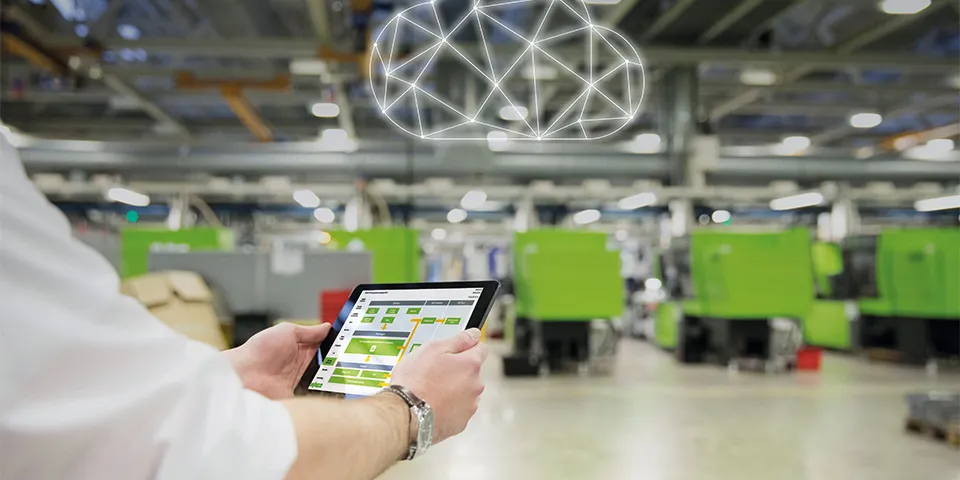
Building management has undergone significant change in recent years, Kygnée believes. “In the past, only HVAC was integrated into the building management system. Over the years, we have added more and more technologies, such as access control, lighting, meter readings and alarms.” As a result, effective data collection and processing have become much more important. “The building management system needs to be a tool that supports the facility manager in their day-to-day work. We are seeing a shift towards cloud platforms that analyse data and feed the results back.”
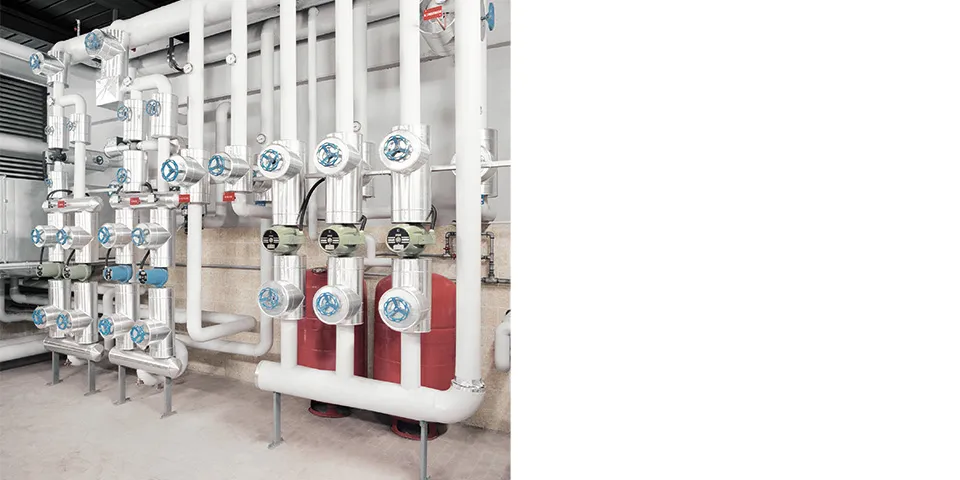
‘In the past, only HVAC was integrated into the building management system. Over the years, we have added more and more technologies.’
Flexibility
For WAGO, it is a priority that the end customer is not locked into their installation. “A high level of automation is essential to achieve excellent sustainability results. However, this can sometimes conflict with the flexibility an end user would like. In the past, the maintenance team had control over all the technologies, but that is no longer a given today. To avoid this, the issue must be taken into account from the design stage.”
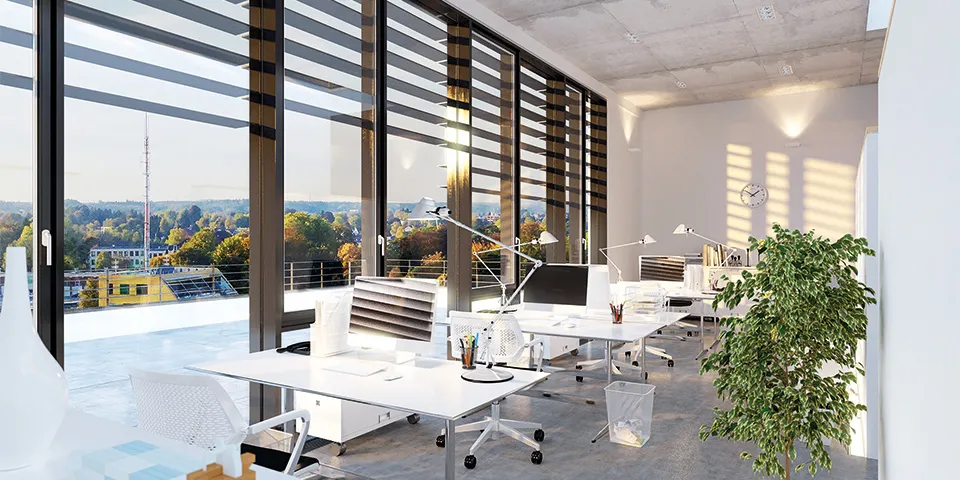
Another concern is ensuring that end users can still make changes to the installation easily. Kygnée says: “WAGO has developed specific solutions that allow end customers to make changes to their installation themselves, without installing software or needing complex prior knowledge. Everything is managed through an intuitive interface. One such solution is WAGO flexROOM. With just a few clicks, customers can change the configuration of, for example, an office space. It is easy to make a zone larger or smaller. Without any programming, customers have full control over their lighting, blinds and HVAC.”
Question about this story? Ask your question
Keep following this
Get an email when a new story is published. No account needed.
- ThemeSmart building integration
- SubjectProduct information