Specialist in water treatment for residential heating systems enters anniversary year
Text Fernox en Wouter PolspoelImage Fernox
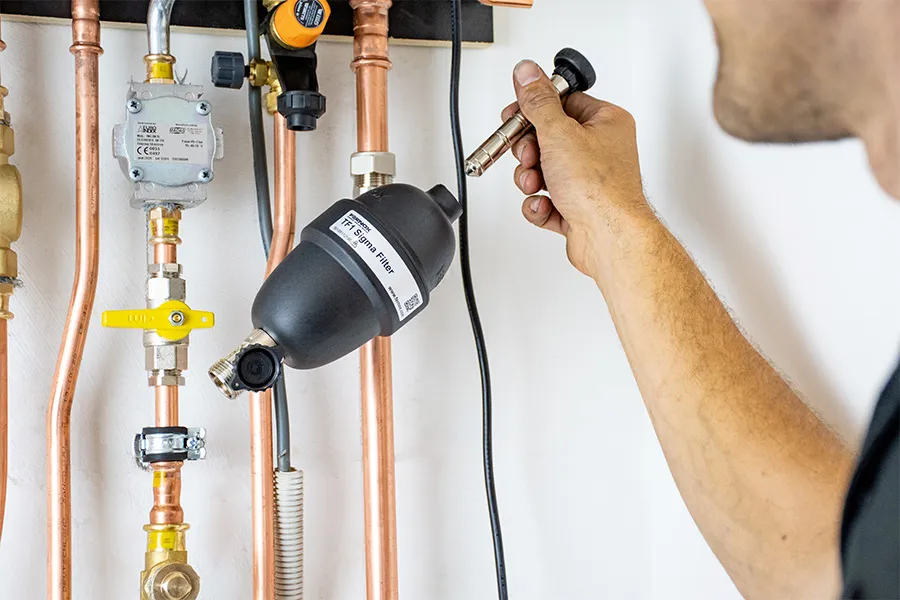
Fernox celebrates its 60th anniversary in 2024. The company, which provides water treatment solutions for domestic central heating systems and now operates worldwide, has seen many changes over the years. New concepts, increasingly innovative materials and changing heating regimes have continually presented the installation sector with new challenges. This has given Fernox the experience and expertise that more than justify calling it a specialist in water treatment for residential heating systems. The company is therefore well placed to outline the current state of its sector, which is what it does in this article.
Driven by the push for sustainability and economic pressures, the market is currently shifting from replacing central heating boilers to repairing them. These repairs are often prompted by a range of problems caused by deposits and/or corrosion.
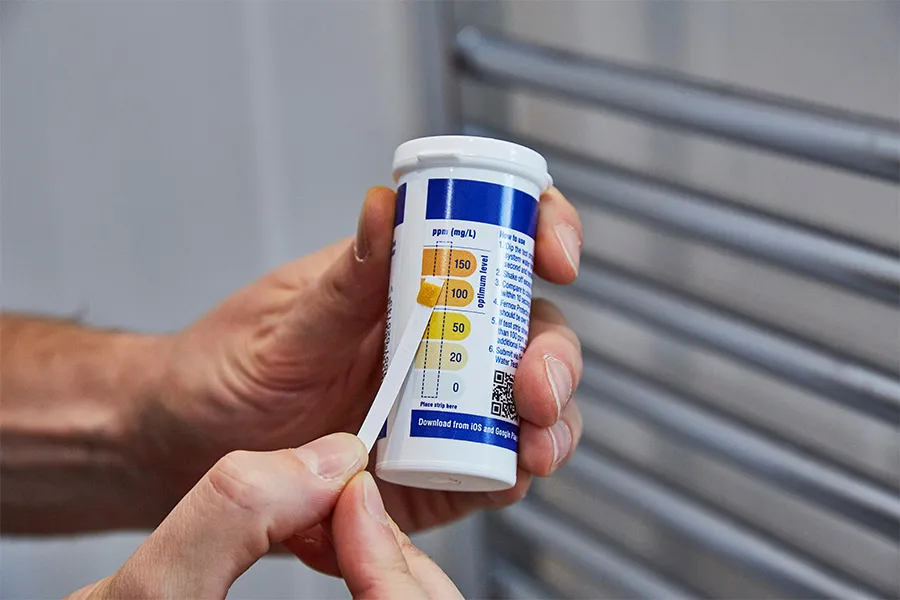
When faced with such hydraulic problems, water quality needs to be assessed. The old adage that black water is dead water has now been debunked, although some people still stubbornly cling to it. The days when the absence of a colour change was the only quality indicator are firmly behind us. Internal processes in central heating systems can cause changes in pH, conductivity or the level of contamination (see also TV 278 from Embuild, formerly WTCB). Cleaning is often recommended.
By 2024, the benefits of cleaning products in the home are well known: dishwasher and washing machine detergents are widely used to clean more effectively and quickly. In the installation sector, however, many wrongly believe that flushing with water is an adequate solution. It is high time they entered the 21st century, where sustainability, and therefore maximising the service life of just about everything, is paramount. Guidelines on how to approach this in water-based heating systems are clearly set out in standard NBN EN 14336.
Making choices
The current energy transition will require choices to be made, both technological and economic. Replacing all heat generators and heat emitters comes at a high economic cost and exacerbates an already acute labour shortage. In our view, a large share of the renovation market will be served by high-temperature heat pumps, for example those using CO2 or propane. Hybrid systems are also increasingly being used to replace existing central heating systems.
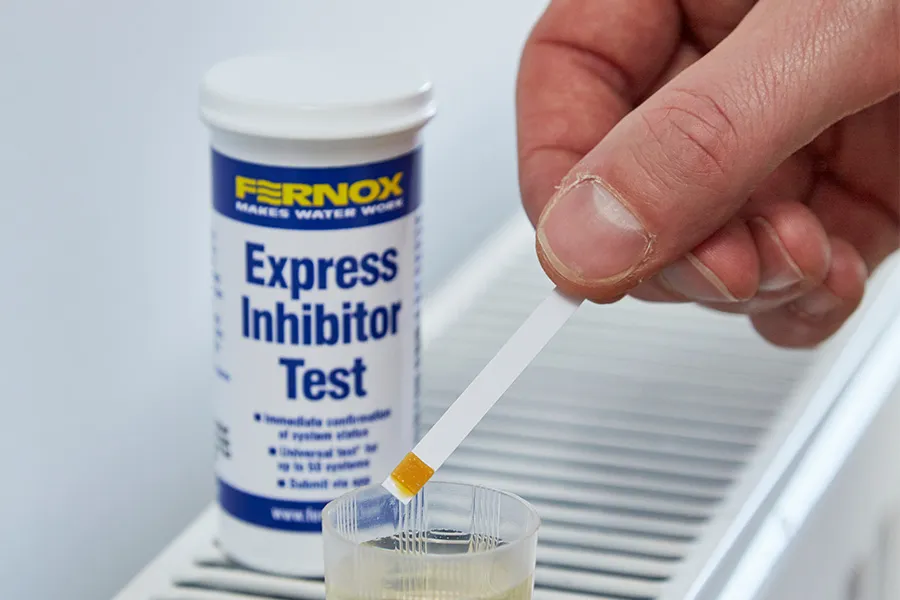
In both cases, the existing heat emitter system can be retained. These are often conventional radiators. The average service life of a radiator is estimated at 20 to 30 years. However, retaining them is conditional on meeting the water quality requirements set out in heat pump manufacturers' specifications. Thoroughly cleaning the existing central heating system with flushing pumps and magnetic filters, as described in NBN EN 14868, can often provide a solution. At the same time, the existing system is adapted to the new situation. A classic win-win. Once work has begun, it is a good idea to follow up with maintenance visits. With today's technology, a comprehensive water analysis can be carried out in a laboratory at low cost. Often, a quick on-site measurement using test strips or digital meters is enough to assess the key parameters.
The energy transition has shifted up another gear and, like the coronavirus crisis, will bring a new approach. With 60 years of global experience and expertise, Fernox is ready to meet the changing needs of the installation sector. Together, we can deliver sustainable solutions.
Een zakelijke vraag aan Fernox? Get in touch
Companies in this story
Keep following this
Get an email when a new story is published. No account needed.
- ThemeSafe and efficient water use
- SubjectYearbook
- CompanyFernox