











Working safely at height for installers
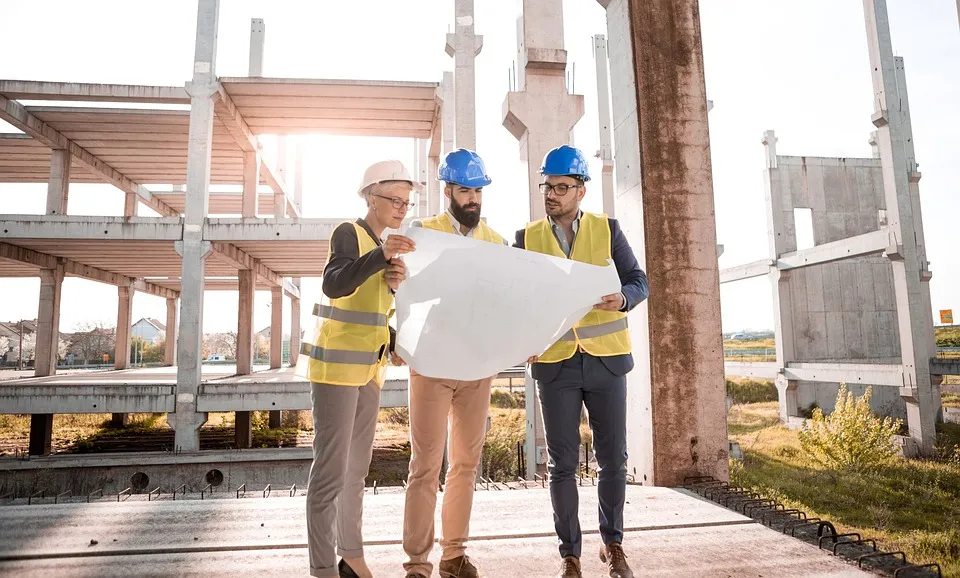
Working at height remains one of the most common causes of serious injuries and fatal accidents. Often, these involve falls from ladders and scaffolding. It is therefore vital to take precautions at all times to ensure installers’ safety. This article explains how employers can take simple, practical measures to reduce the risk of falls when working at height.
Safety training
When working at height, the risk of falling is the most obvious safety hazard. Falling tools or equipment can also cause serious injuries or even fatal accidents. Employers should provide safe ladders and brief their installers on the safety measures they can take. Good training in working safely at height can make installers aware of workplace risks and give them the confidence to work safely and with assurance.
Identify potential hazards
It is important for every installer to be aware of potential hazards in the workplace. One effective way to improve safety at work is to train employees to identify potential risks. This makes it possible to spot and resolve minor problems in good time, before they develop into more serious and dangerous situations.
Enforce all safety rules
Managers must strictly follow all safety measures for working at height and resist the temptation to relax these rules over time. Even when the situation becomes familiar, the risks remain. Consistently following the rules is therefore the best way to keep everyone involved safe.
Provide personal protective equipment
Managers are responsible for providing personal protective equipment (PPE) when needed. However, it is important to stress that providing fall protection equipment alone is not enough. Installers must also be trained in how to use the equipment correctly and inspect it regularly. The same applies to eye and face protection, which is only useful when it is working properly. Employers must do everything they can to ensure that protective equipment works properly when used, which means carrying out thorough and frequent inspections. This helps installers feel confident that they can work safely at height and gives managers the assurance that they are meeting workplace fall protection requirements.
Calculate the fall distance accurately
Fall protection is an essential part of working at height, but it is important to calculate the fall distance correctly to keep workers safe. A common mistake is to assume that a 15-metre harness is sufficient for a 20-metre fall. However, this calculation does not take into account the worker’s height or the slack in the harness or anchor point caused by the force of the fall. Even if the worker is only one metre tall, they could still hit the ground while wearing the harness. It is therefore important to calculate the fall distance accurately and ensure that the safety plan for working at height takes every factor into account to protect workers.
Install guardrails wherever possible
Guardrails are an essential safety measure for protecting installers when working at height. They allow installers to work safely without needing a harness. Using guardrails can therefore make the work process more efficient by eliminating additional steps to ensure safety. However, installers fitting guardrails must be properly trained and have the right personal protective equipment to carry out the task safely. Guardrails provide an additional layer of protection for installers, helping to create a safe working environment at height.
Question about this story? Ask your question
Keep following this
Get an email when a new story is published. No account needed.
- SubjectNews







