Prevent corrosion in heating systems with a compact, easy-to-use RO unit
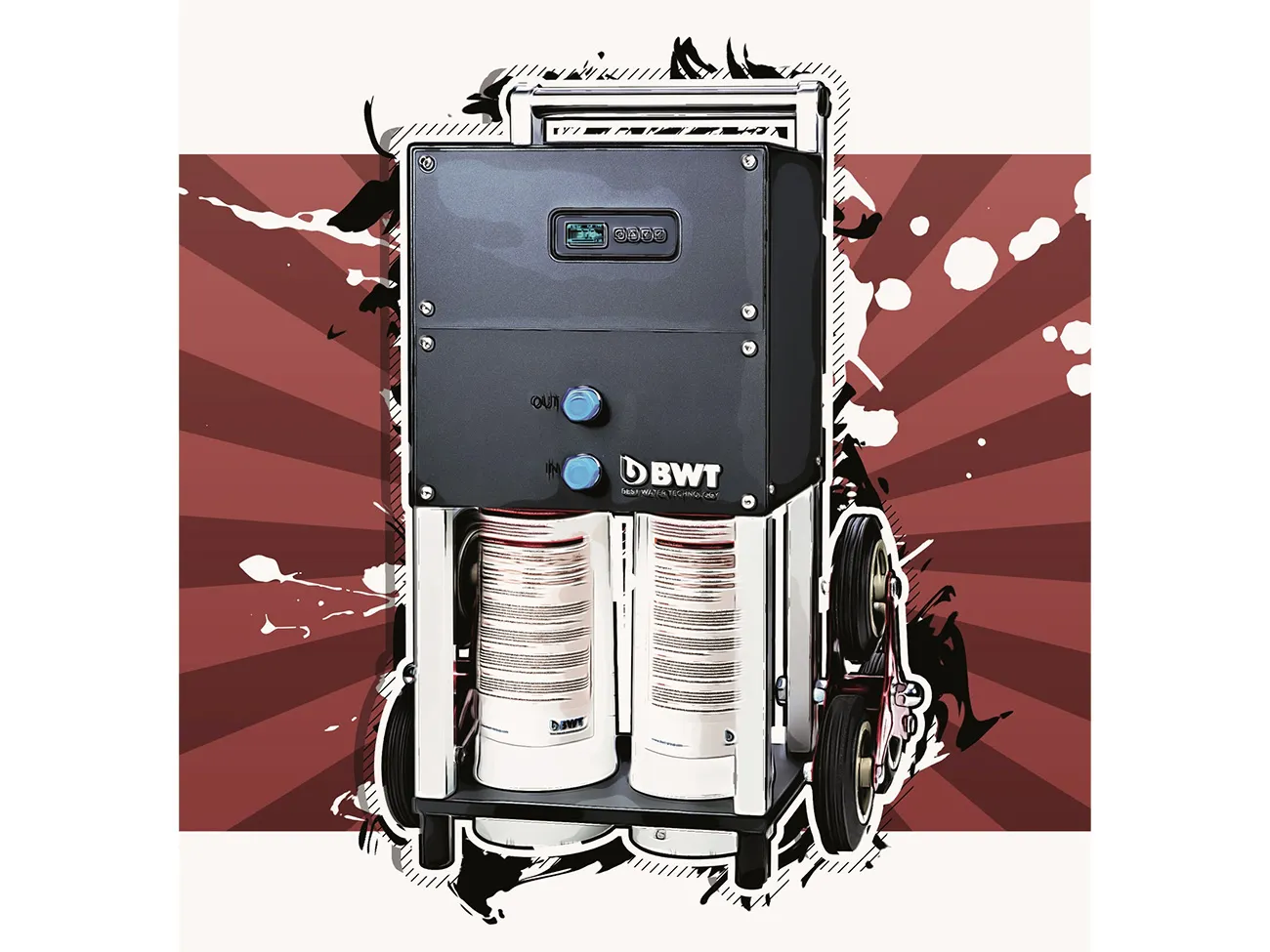
Need to fill systems with water that is virtually salt-free, in line with the German VDI 2035 guidelines and the recently published TV 278 from the WTCB? Consider the new AQA Therm MOVE Power from water treatment specialist BWT. Wherever water that is virtually salt-free needs to be supplied, this ultra-compact, easy-to-use RO unit makes the most of its strengths: it can be used both as a mobile and a fixed unit, and always meets the strictest requirements.
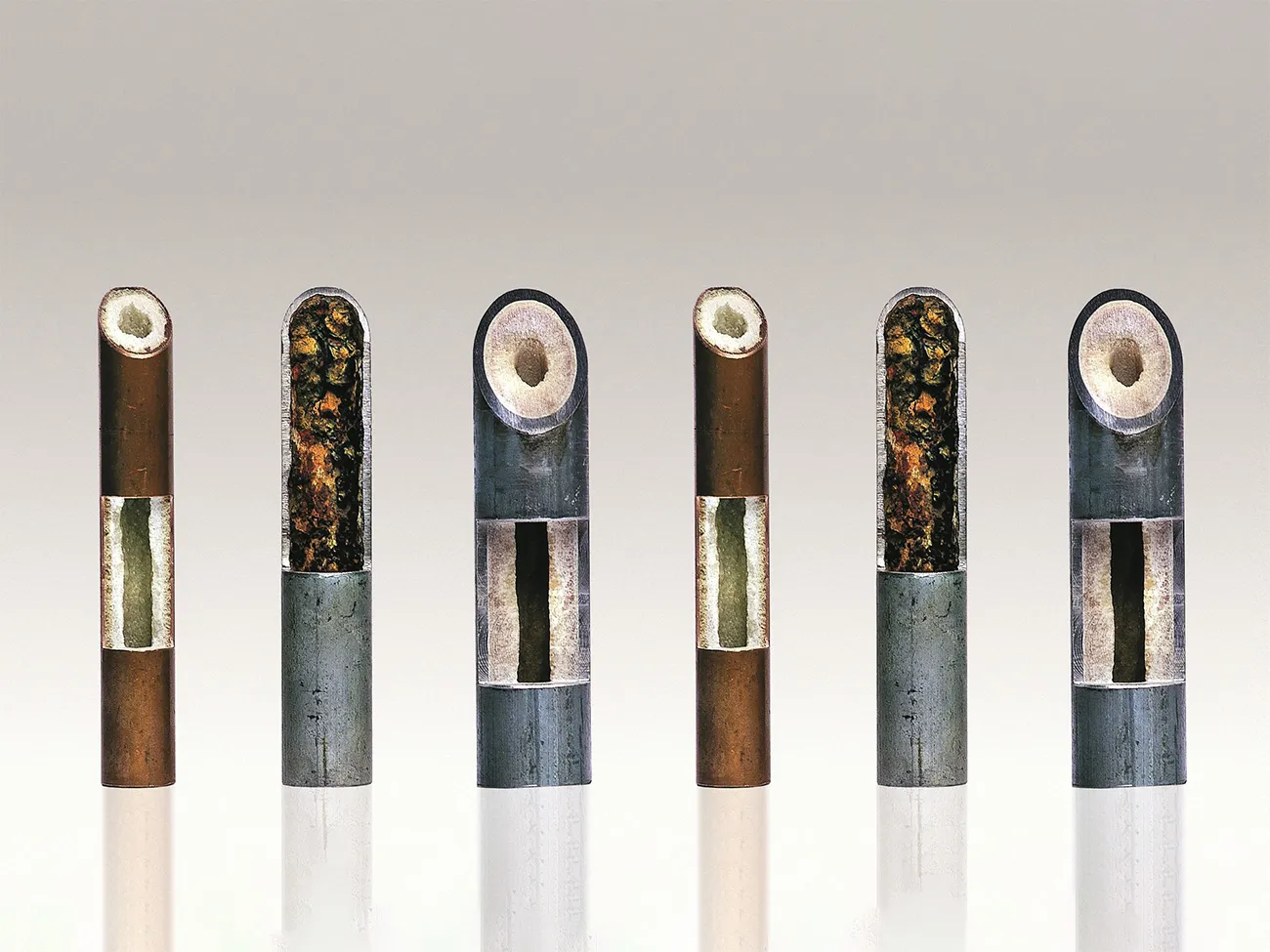
Water treatment is becoming increasingly common in Belgium. But it is still too often associated solely with domestic water. The quality of the water circulating through heating systems, underfloor heating pipes or solar collectors also needs to be good to prevent deposits. These affect heat transfer and the service life of the system, and cause a significant loss of efficiency.
That is precisely why the German Engineering Association VDI issued guidelines for the quality of heating water: the ‘VDI 2035 guidelines’. They set out target values for hardness, pH, conductivity and salt content, according to the metals used and the capacity of the boilers.
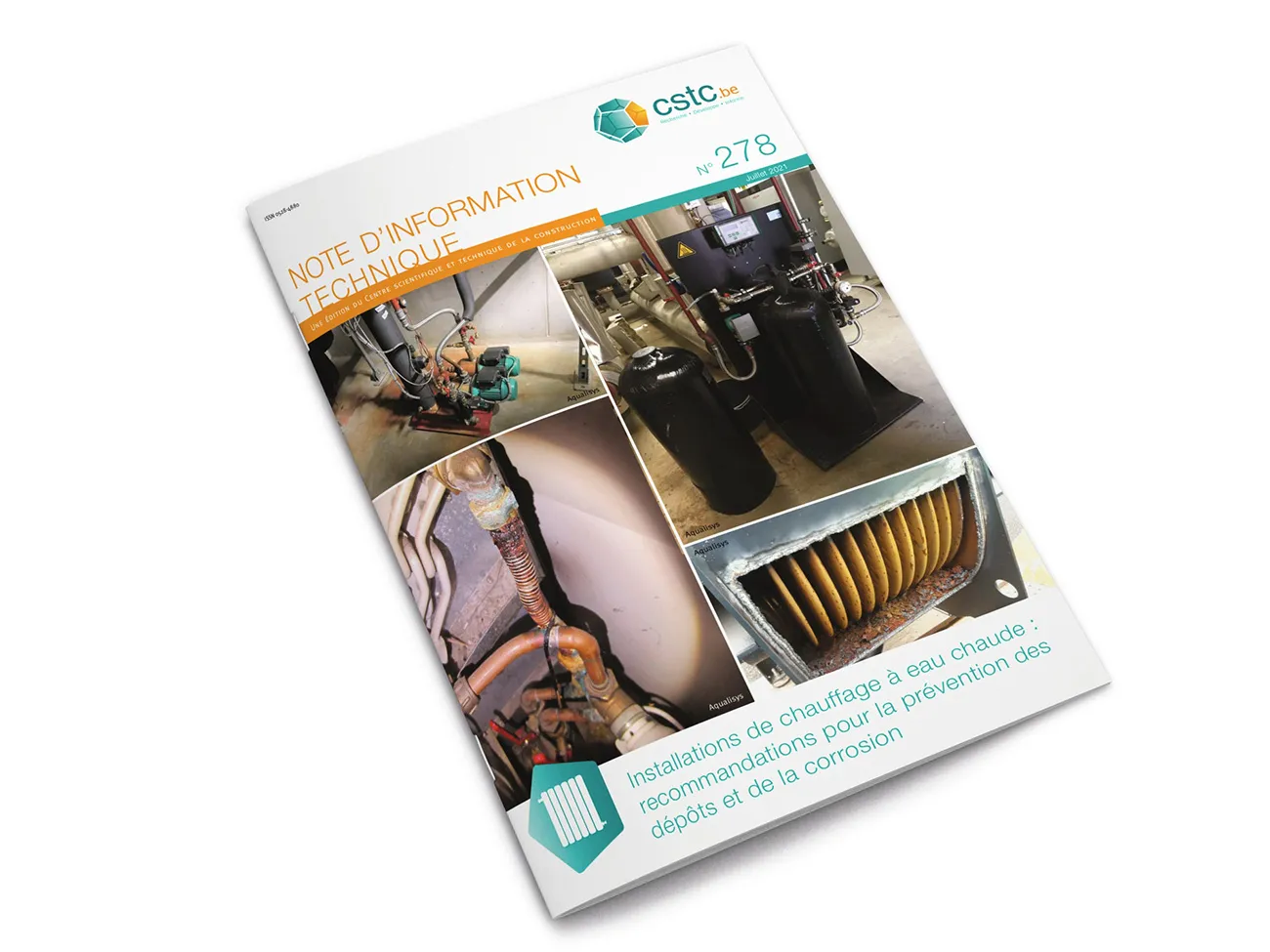
Since July 2021, the Belgian WTCB (Scientific and Technical Centre for the Construction Industry) has also highlighted the importance of high-quality filling, top-up and system water for heating systems. Its Technical Information (TV) 278 provides a range of recommendations to prevent deposits and corrosion in heating systems.
Corrosion: a hidden problem
Corrosion in heating systems is a common problem in Belgium. It causes the formation of corrosion sludge, ranging from black magnetite to red rust, and is almost entirely due to the presence of oxygen in the system, an incorrect mix of metals, a pH that is too high or an excessive salt content in the heating water.
One major cause of oxygen ingress is inadequate pressure maintenance in the system. To prevent negative pressure, the expansion vessel must be correctly sized, checked regularly and replaced if necessary.
Plastic pipes and flexible connection hoses that are not sufficiently oxygen-tight can also be a source of oxygen ingress into the system. The use of such pipes is therefore not recommended.
As corrosion is a gradual process, it is advisable to monitor the quality of the heating water closely, even in smaller systems. A pH that is too high and an excessive salt content in the heating water will accelerate corrosion. Water that is virtually salt-free is the best choice for filling. The lower the salt content in the heating water, the lower the rate of corrosion.
Virtually salt-free water through reverse osmosis
Water can be made salt-free using a unit that works on the principle of reverse osmosis (RO). Water is pumped under pressure through a membrane, allowing only water molecules to pass through. Organic molecules, micro-organisms and salts (minerals) are retained.
Reverse osmosis removes 95 to 98% of the salts present in the water. The result is the pure water needed for the heating system.
The solution for HVAC professionals
For professionals looking to make the filling water for a range of systems virtually salt-free, a mobile RO unit is the most convenient option.
That is why water treatment specialist BWT developed the AQA Therm MOVE Power for HVAC professionals: a compact, mobile unit with a high flow rate. It delivers up to 360 l/h and approximately 80,000 l of virtually salt-free water with one membrane set. It can operate continuously, and multiple units can be combined when higher flow rates are required.
The water’s conductivity is constantly monitored, and the user is alerted if the limit values are exceeded.
The unit is also easy to use. When the membrane set wears out, it can be replaced easily, without the need for special tools. The filling process is controlled automatically: filling stops once the pre-programmed system pressure is reached.
Also suitable for other (industrial) applications
As well as being the ideal solution for filling heating systems in line with the German VDI 2035 guidelines and the recently published TV 278 from the WTCB, the AQA Therm MOVE Power can also be used in other applications requiring low-mineral or demineralised water, such as humidification systems, industrial processes or professional cleaning.
Question about this story? Ask your question
Keep following this
Get an email when a new story is published. No account needed.
- ThemeSafe and efficient water use
- SubjectWater treatment