











Textile sharing: hassle-free and environmentally friendly
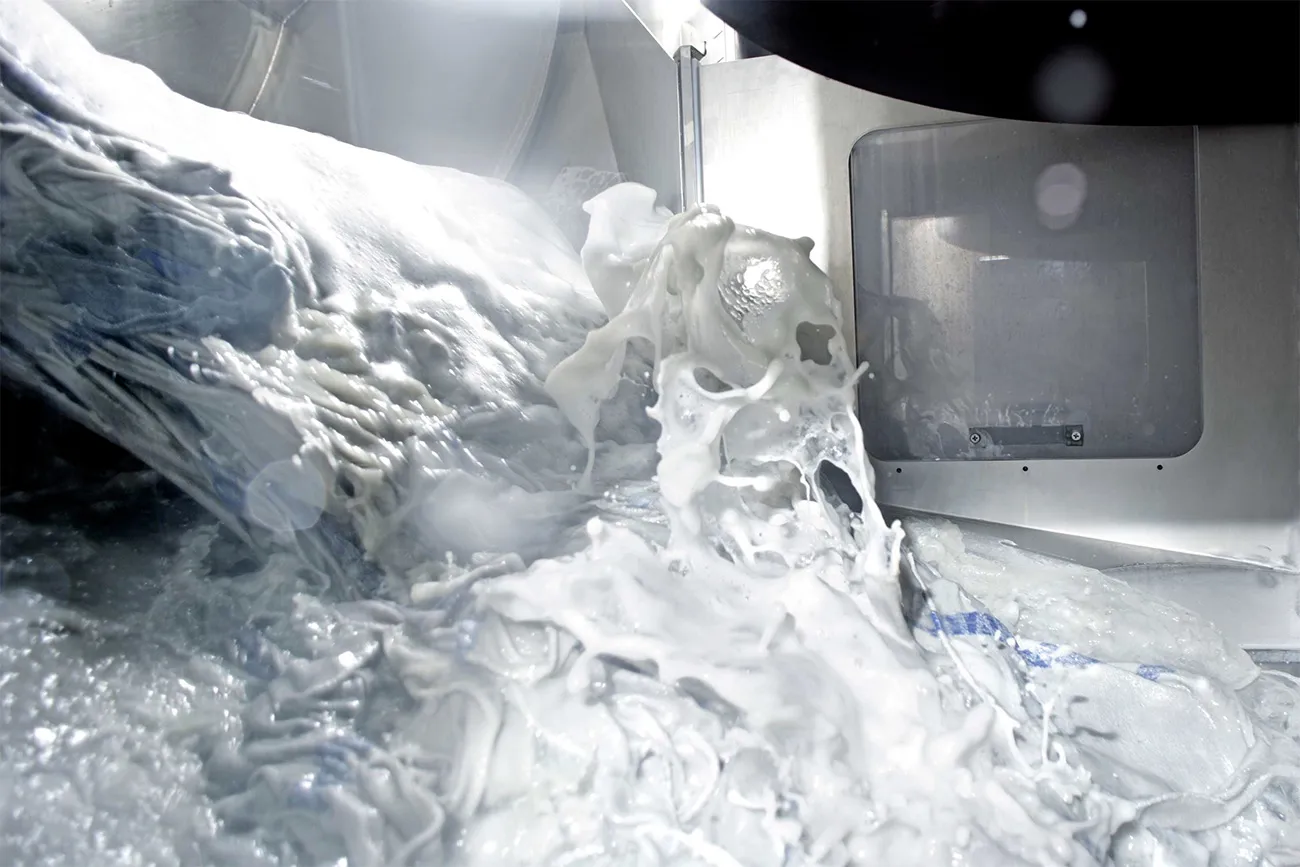
Sharing has become an integral part of our daily lives. A range of factors have helped this trend develop rapidly in recent years. Climate change, increasing digitalisation and the economic impact of the coronavirus pandemic have made us more sustainable as consumers. Today, we “share” across a wide range of sectors: cars, scooters, bicycles, houses, jobs, offices and homes are just a few examples.
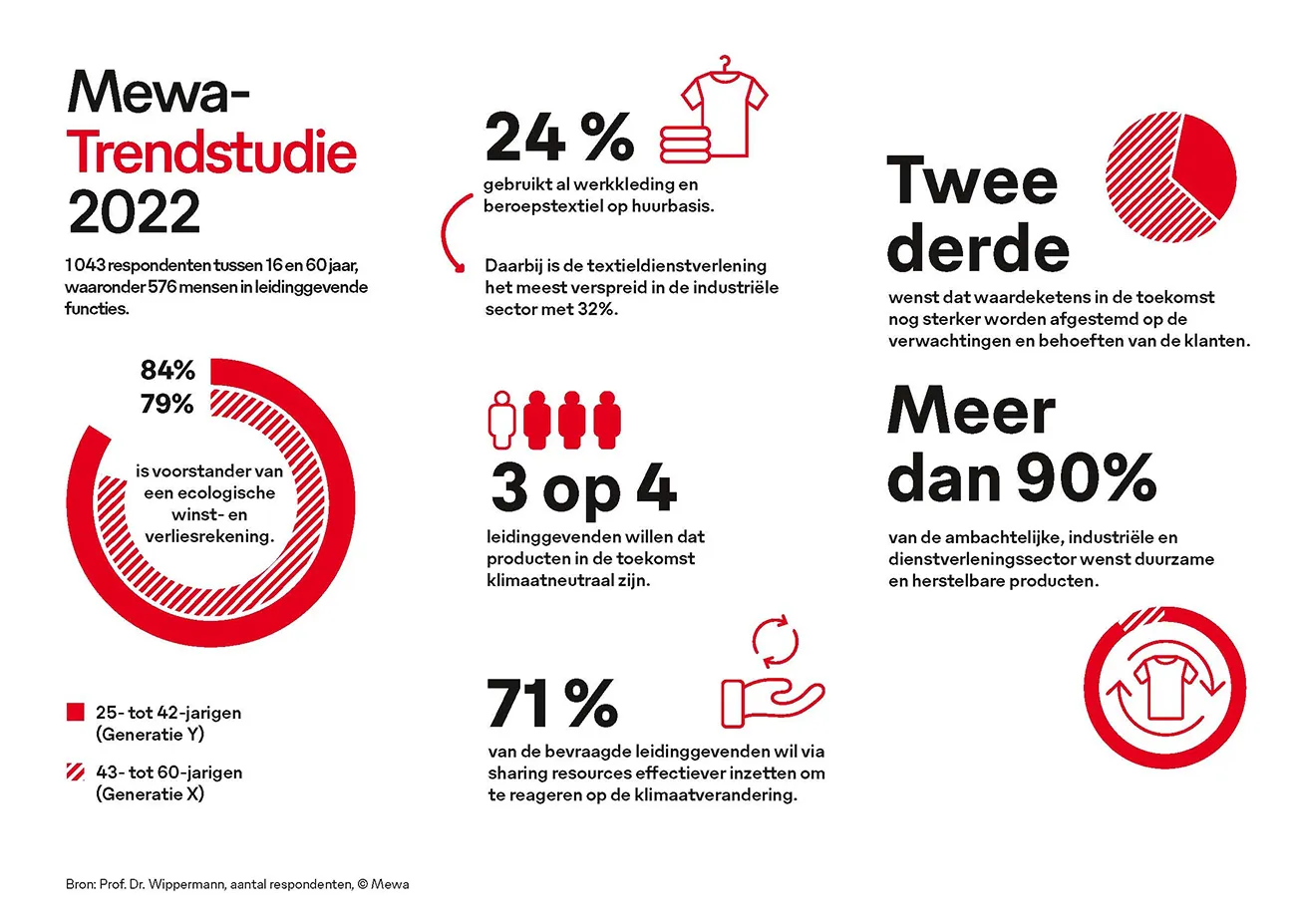
Online study confirms the trend towards sharing
The growing popularity of renting, borrowing, sharing and reselling is also confirmed by a representative online survey commissioned by textile services provider Mewa in Germany. The trend study involved 1,043 people aged between 16 and 60, as well as more than 500 managers. More than half of respondents say that using things without buying them has become an integral part of their purchasing decisions. Two thirds say that the motto “borrow, share and resell” has even become a new way of life.
Textile sharing eases employers’ workload
What works in our private lives can also be easily applied in businesses. Textile services provider Mewa shows how this works in practice. Mewa textile sharing means using and sharing workwear multiple times rather than owning it. This enables companies in a wide range of sectors to use, among other things, an extensive range of workwear and protective clothing through a modern, environmentally friendly reusable system. In this way, employers can outsource operational processes.
Mewa offers a full-service package, supplying workwear and protective clothing to businesses, collecting it after use and washing it in an environmentally friendly way. This includes procurement, storage and maintenance, as well as alterations, repairs and quality checks. Costs are transparent and predictable. Each wearer always gets their own clothes back. This is important because garments may sometimes have been personally altered. A barcode system prevents mix-ups.
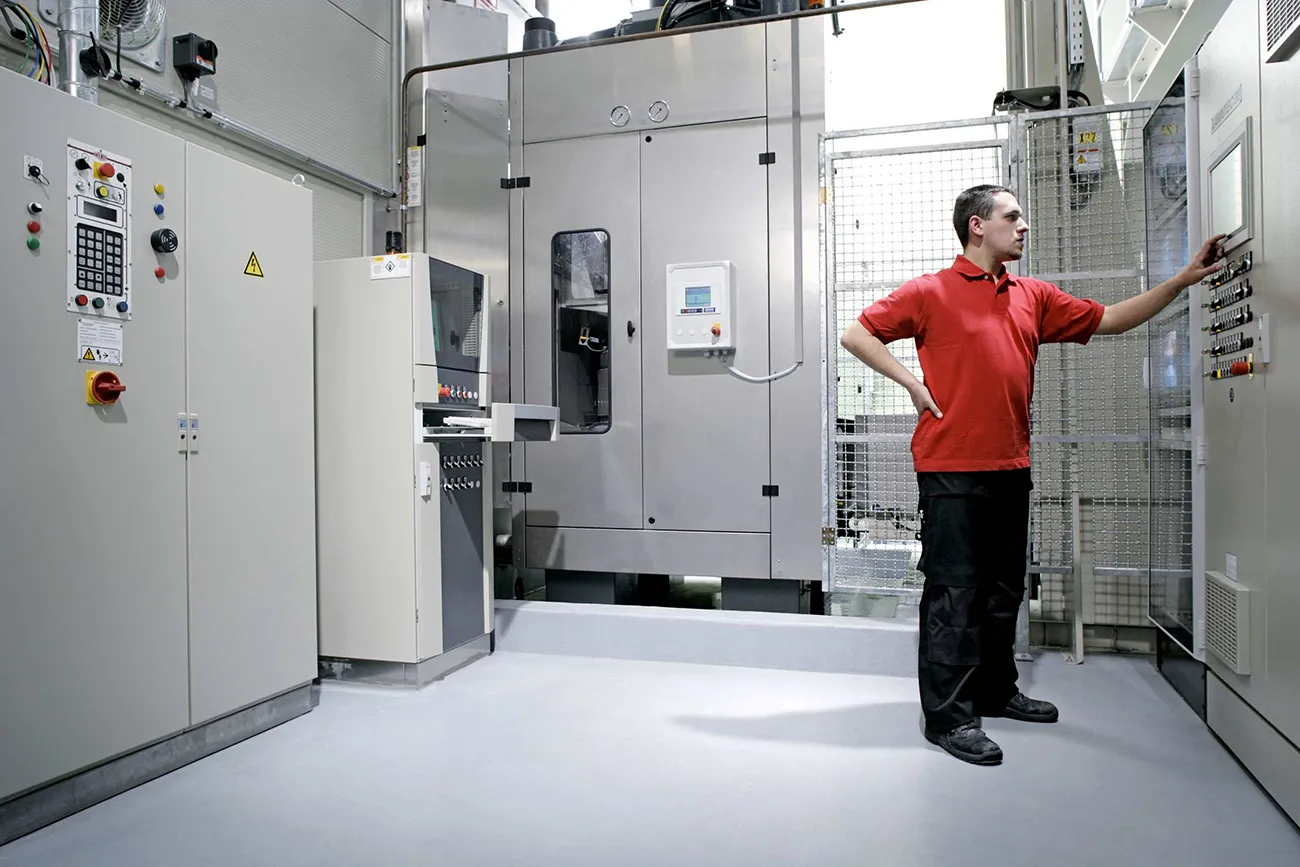
In Mewa’s trend study in Germany, 24 per cent of respondents say that their employer already uses this option. Just under a third (27%) of all respondents say they would welcome a textile services provider taking care of the textile equipment they need for their job. For almost two thirds (63%) of respondents, one of the main reasons for sharing workwear and occupational clothing is that “you don’t have to worry about repairs”.
Certified textile services providers not only ensure that customers receive impeccably hygienic clothing, but also guarantee that processing is as energy-efficient and environmentally friendly as possible.
About Mewa:
Since 1908, Mewa has provided a complete solution for workwear, making it a pioneer in textile sharing. Today, from 46 locations across Europe, Mewa supplies companies with workwear, protective clothing, cleaning cloths, oil-absorbent mats and foot mats, including maintenance, repairs, storage and logistics. Work safety products can also be ordered. Around 5,700 employees serve more than 190,000 customers in industry, trade, crafts and catering. In 2021, Mewa generated revenue of 770.4 million euros, making it the market leader in textile management. The company has received several awards for its commitment to sustainability and responsible business, as well as for its brand management.
Question about this story? Ask your question
Keep following this
Get an email when a new story is published. No account needed.
- SubjectNews







