Tackling challenges with software for the installation sector
Text KDV – Language & MoreImage Pixabay en Testo
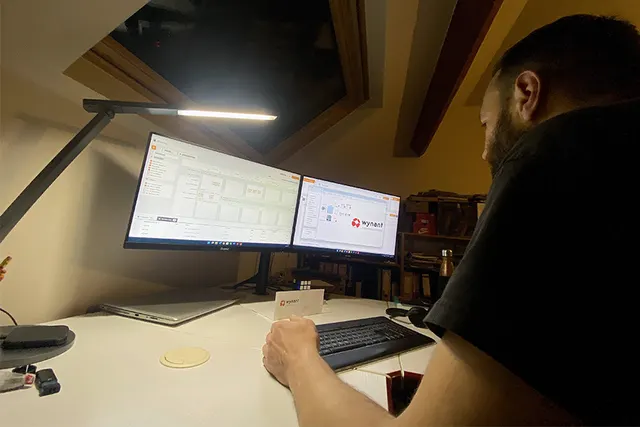
Companies in the installation and maintenance sector can differ greatly from one another, yet they often face the same challenges. How can you ensure installation projects run efficiently? How can you share information with field staff? And what about (part-)invoicing and the paperwork that all parties involved need to receive and sign? The route to a streamlined installation business runs through specialised software, such as field service management software.
Managing staff shortages, coordinating complex logistical processes and adapting to constantly evolving regulations: the pressure on the installation sector is considerable. Field service management software can take the pressure off while helping businesses continue to innovate.
Its features are designed to optimise processes and the information needed to manage technicians and other staff working outside the office or factory. The main aim? To help field staff carry out their work as efficiently as possible, while giving the office real-time insight into the field team’s schedule, progress and work status.
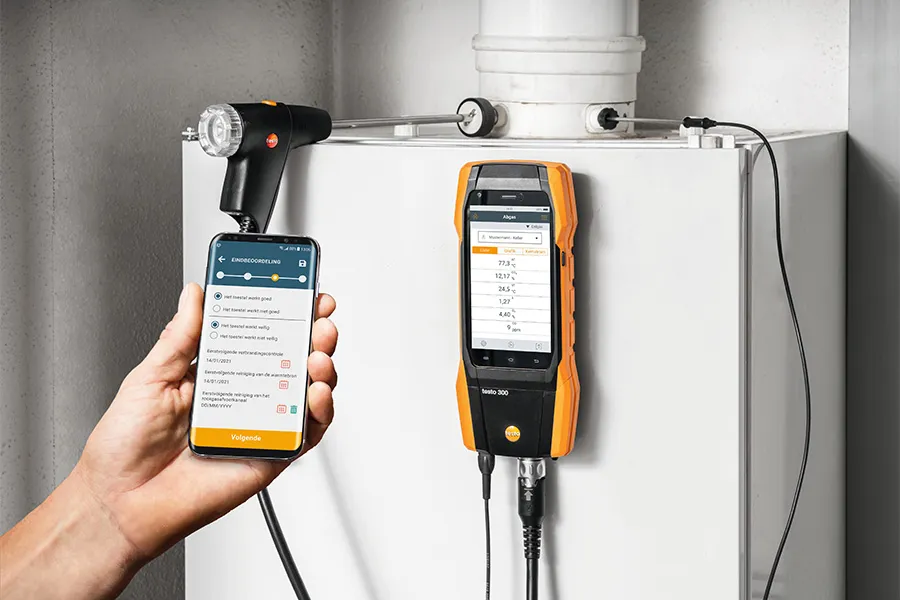
The software automates tasks such as creating and maintaining schedules and work plans. It can also provide service technicians with detailed information in advance, such as an appliance’s service history, so they can get straight to work on site without first having to ask the customer lots of questions. It also ensures two-way communication with staff on site. This could mean sending digital job sheets or updating job statuses to enable faster, more accurate invoicing, as well as providing sales representatives on the road visiting customers with up-to-date stock information.
Boosting business performance and customer satisfaction
The fact is that specialised software creates opportunities for growth and improvement in the installation sector. It can boost productivity by reducing manual tasks, make processes more transparent and support adjustments based on tangible data. It can also improve the working experience by providing access to the information staff need, wherever and whenever they need it. No longer having to return to the office with piles of paperwork at the end of a long working day helps too. Ultimately, every colleague can focus more on their core tasks: providing customers with the best possible service.
Field service management software offers the following benefits:
- more efficient use of staff: a smart scheduling module can optimise engineers’ routes, allowing them to complete several jobs in the same area in one day, with minimal unnecessary travel;
- better customer communication through a customer portal, keeping customers up to date on the status of their job;
- reporting to ensure compliance with legislation: comprehensive reports for audits and inspections that also help improve the quality and safety of the work carried out;
- a digital job sheet app: with service history, documents, guidelines, schedules, customer information and more. Disputes over working hours and materials are a thing of the past, as the digital job sheet is signed off immediately, resulting in accurate records.
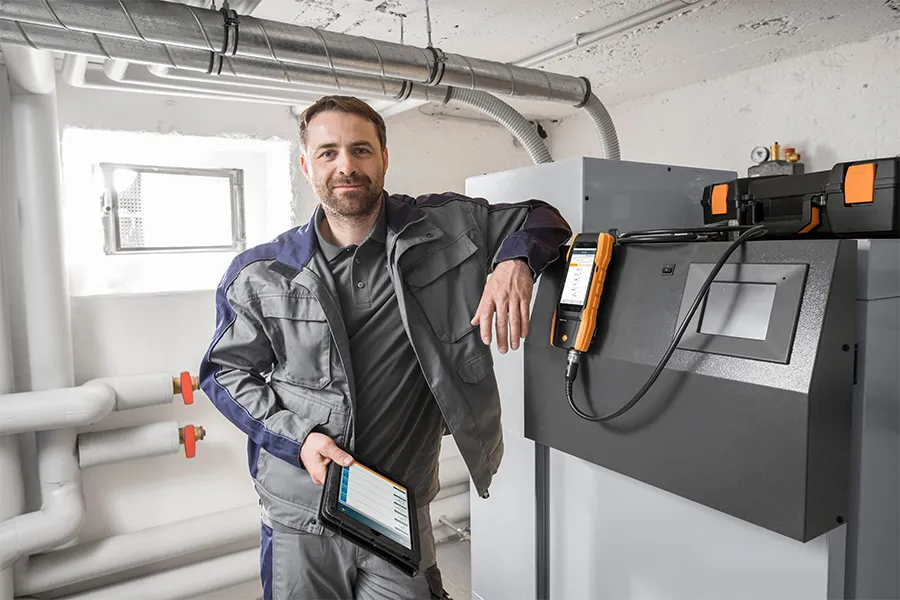
The next step: IoT
Companies already using specialised software have a head start. The next step for customer-focused installation businesses is integrating the Internet of Things (IoT). For example, IoT can be used for preventive maintenance on equipment when the ambient temperature drops, or to quickly locate a car or forklift on a large industrial site. Another application is condition-based maintenance, where maintenance is carried out not when a device breaks down, but when its overall performance starts to decline.
Software also allows customers to book routine maintenance appointments themselves. The next development is to schedule maintenance according to the condition of a device, with advanced sensors measuring various parameters such as temperature, humidity, vibration and pressure. Intelligent algorithms can use these conditions to determine and predict when an appliance’s performance will deteriorate. In short, IoT can help businesses transform into the installation and service companies of the future.
Question about this story? Ask your question
Keep following this
Get an email when a new story is published. No account needed.
- ThemeImproving building services performance
- SubjectSoftware