











Refrigeration technology: essential for food safety and comfort
Text Wouter PolspoelImage Pixabay en AI
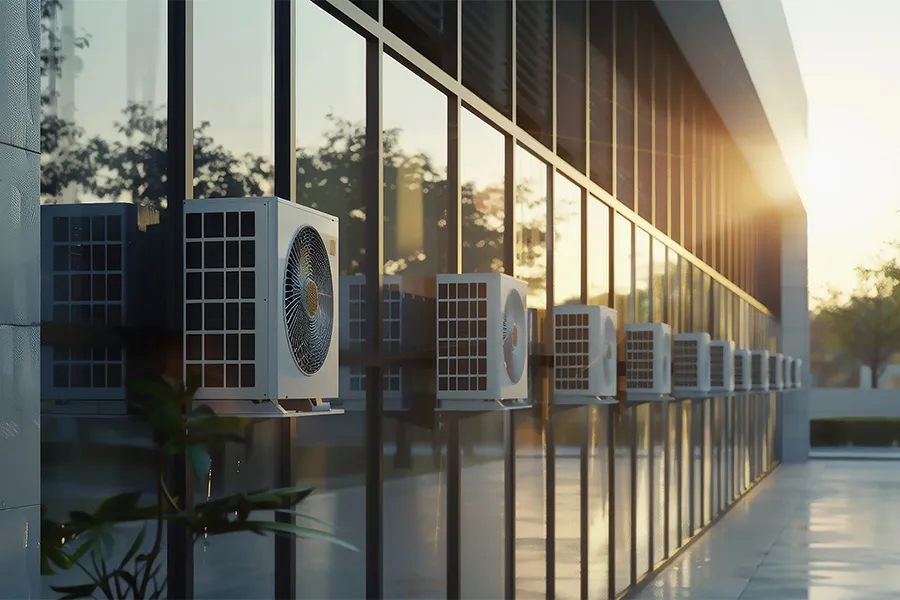
Refrigeration technology plays a crucial role in the HVAC sector, helping technical installations operate efficiently and creating a comfortable indoor climate. But what exactly does refrigeration technology involve? What applications are there? And what challenges and opportunities does it present for HVAC installers? An overview.
Refrigeration technology has one purpose: to remove heat from a space, product or process in order to maintain a specific temperature. There are various refrigeration techniques, including absorption cooling, adsorption cooling, thermoelectric cooling, evaporative cooling and magnetic cooling, but the best-known and most widely used technique is undoubtedly mechanical vapour-compression refrigeration (when this article refers to refrigeration systems, it means systems using this type of mechanical vapour-compression refrigeration, ed.).
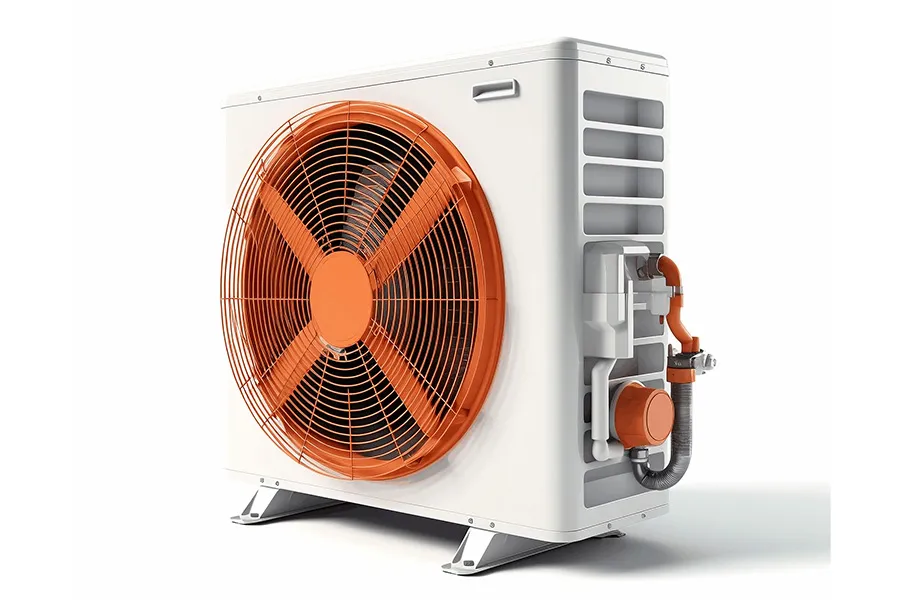
This requires a refrigerant and a closed circuit containing a compressor, condenser, expansion valve and evaporator.
In simple terms, a step-by-step process known as a thermodynamic cycle causes the refrigerant to turn from a gas into a liquid and then cool significantly. The cooled refrigerant then absorbs heat from the space or system and carries it away, again in gaseous form.
Mechanical vapour-compression refrigeration is used in a range of fields: healthcare, food preservation, the (chemical) industry, and the HVAC sector. HVAC systems such as heat pumps, air conditioning units and ventilation units make extensive use of refrigeration technology to keep indoor temperatures comfortable.
Developments
Mechanical vapour-compression refrigeration continues to evolve. As with many technologies, technical improvements and innovations, alongside specific regulations, are making it more efficient, sustainable and user-friendly.
Regulations governing refrigerants have been significantly tightened in recent years, with the aim of limiting emissions of harmful substances. Substances such as CFCs and HFCs are being replaced by natural alternatives such as CO2, ammonia and propane. These new refrigerants have a lower environmental impact, but their use requires changes to system design and installation.
Sensors and smart technologies are also making it easier to monitor and optimise refrigeration systems, reducing energy consumption as a result. Faults can also be detected at an early stage, minimising downtime. New compressors and better-insulated components are making mechanical vapour-compression refrigeration systems more energy-efficient than ever.
Mechanical vapour-compression refrigeration has also led to the development of another technology: heat recovery. This technology recovers the heat generated as a natural by-product of refrigeration systems, which can then be used, for example, to heat domestic hot water or rooms. This effectively doubles the efficiency of refrigeration systems and reduces energy costs.
Challenges
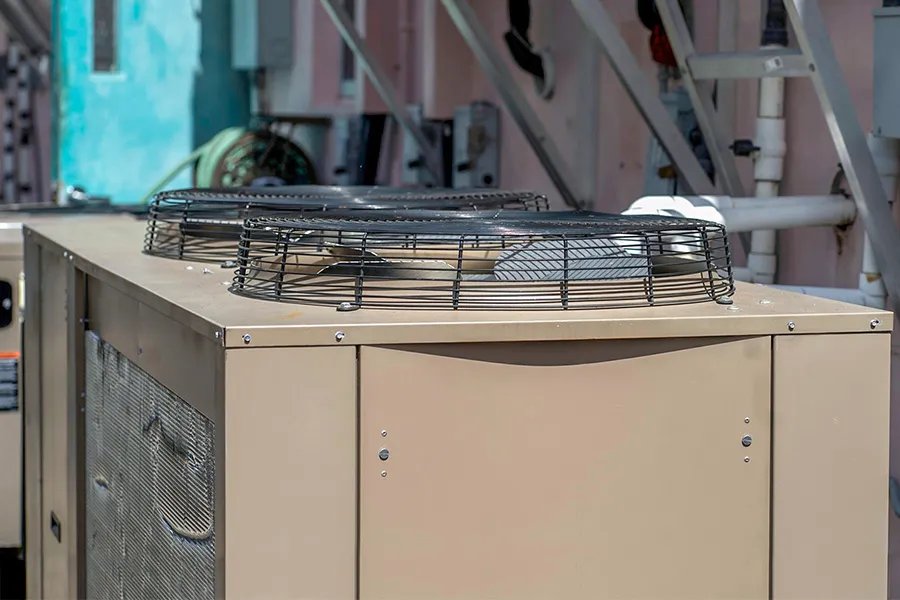
Although mechanical vapour-compression refrigeration is now commonplace in the HVAC sector, it still presents challenges for HVAC installers. Working with the new natural refrigerants mentioned above requires specialist expertise. These substances are often used at high pressure, which calls for additional safety measures. Rising energy prices are another challenge for HVAC installers. Refrigeration systems are among the largest energy consumers in commercial buildings, creating considerable pressure to implement energy-efficient solutions.
The future of refrigeration technology
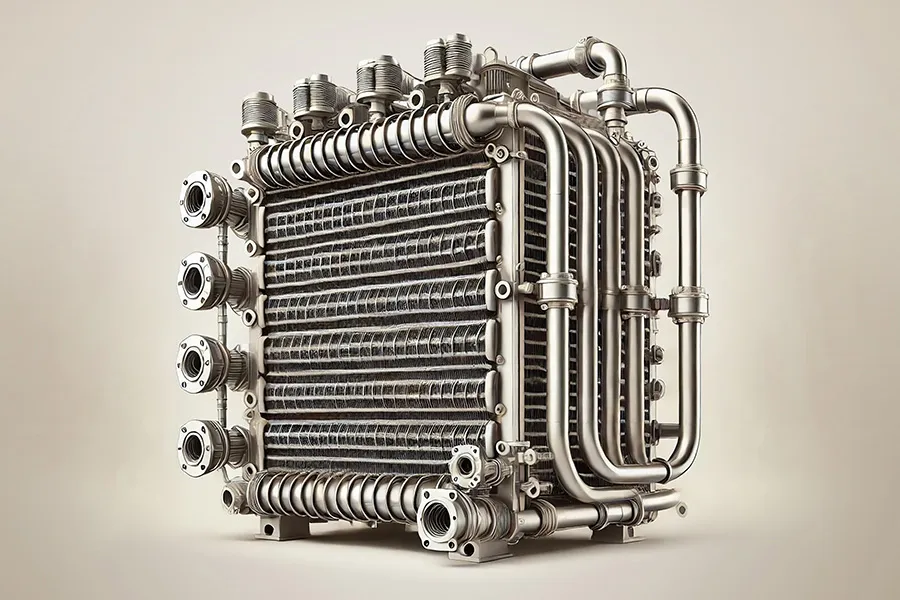
International climate targets are expected to drive refrigeration systems to become even greener in the coming years. At the same time, the scope for integrating solar energy and batteries into these systems will expand, ultimately enabling them to achieve energy neutrality.
The role of data will inevitably continue to grow. Smart algorithms are almost certain to be able to manage cooling systems fully autonomously in time, minimising energy losses. This will not make HVAC installers redundant, but their focus will need to shift from physical installation to digital optimisation and service.
In conclusion, mechanical vapour-compression refrigeration is an essential component of HVAC systems in both commercial and residential settings. Like HVAC systems themselves, the technology will only become greener in the future. It will of course be essential for HVAC installers to keep up with all the innovations in this field.
Refrigeration work: a specialist trade
The European F-gas Regulation stipulates that not every HVAC installer is permitted to carry out refrigeration work, meaning any technical work on refrigeration systems that use refrigerants, from installation and maintenance to repair and decommissioning. Only certified companies and individuals may do so. This is due to the safety risks and environmental impact of certain refrigerants. The requirements vary by region. In Flanders, HVAC installers must hold Flemish recognition as a refrigeration technician. This means they must have a European certificate of competence in refrigeration technology and register with the Flemish authorities using that certificate. Anyone carrying out refrigeration work in Flanders without this recognition is in breach of the rules and may be fined. A company employing at least one recognised refrigeration technician in Flanders can automatically be recognised as a refrigeration company, but an accredited inspection body must first verify that this requirement has been met. If it has, the body will issue the company with a European certificate of competence in refrigeration technology.
Question about this story? Ask your question
Keep following this
Get an email when a new story is published. No account needed.
- SubjectNews







