











Reduce heat losses in your heating system? The right water quality is crucial
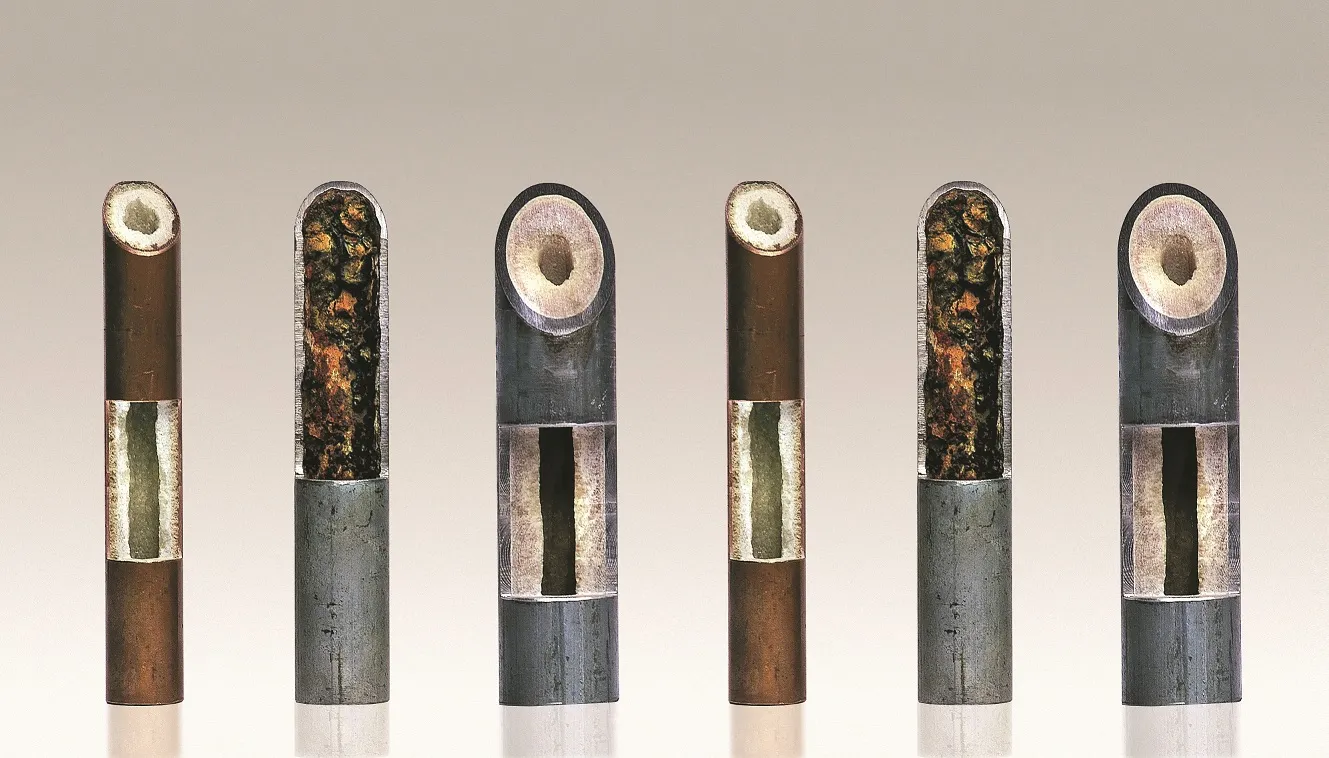
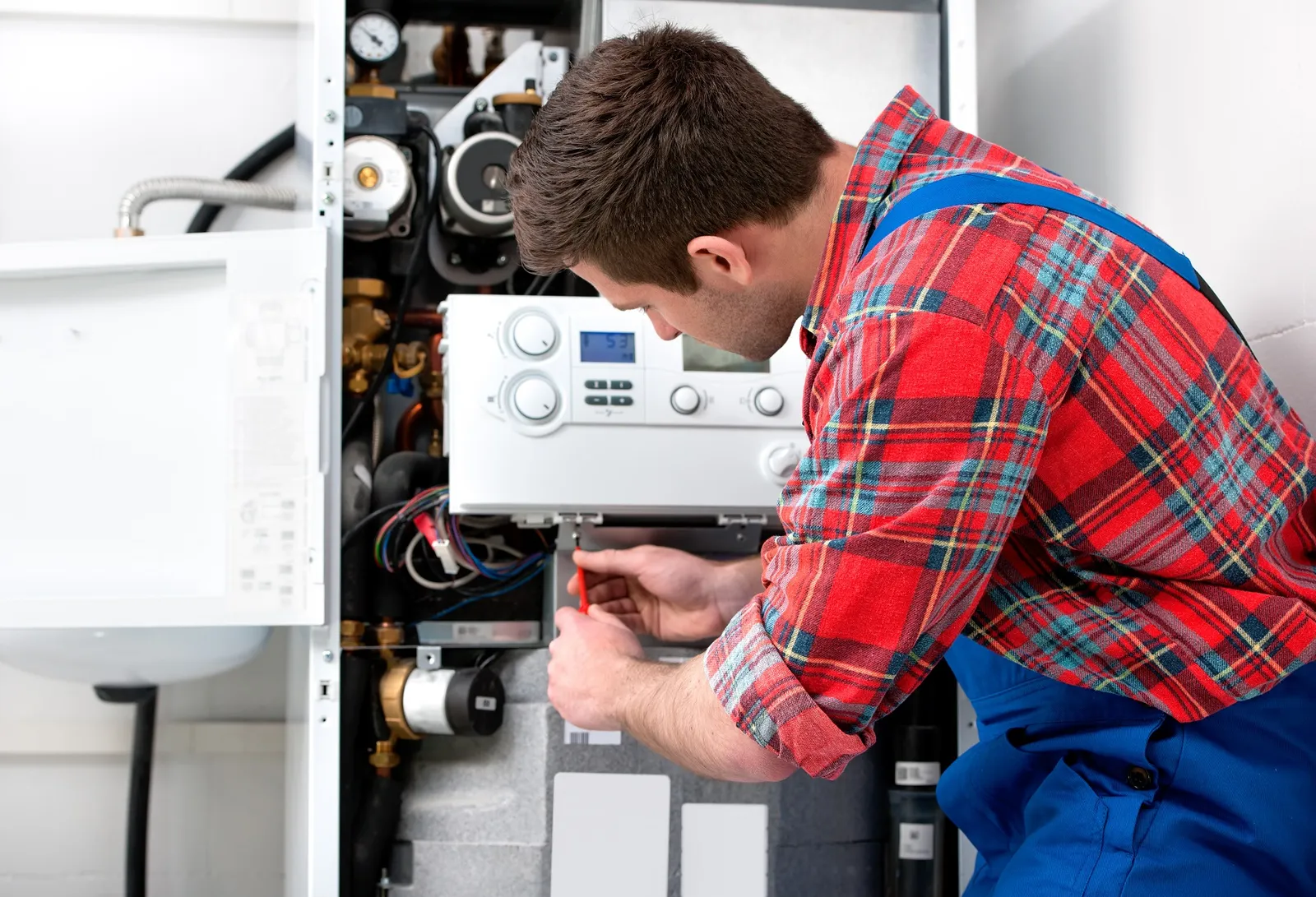
Water treatment is becoming increasingly common in Belgium. But all too often, it is associated only with domestic water. Yet the water circulating through your central heating system, underfloor heating pipes or solar collectors also needs to be of good quality to avoid problems with your system and an even higher energy bill. So, at your next service, ask your heating specialist to check the quality of your heating water.
Heating water circulates through the pipes, radiators and boiler. When that water is contaminated, too hard, too alkaline or too salty, the dirt particles and minerals precipitate out as deposits when it is heated in the heating circuit. These deposits build up most heavily in the hottest areas. A 1 mm layer of deposits on a heat-emitting surface reduces heat output by around 10%, meaning your heating system’s efficiency also falls by 10%. As a result, 10% more energy will be needed to keep your home at the same temperature. These deposits can also cause faults or high maintenance costs.
To prevent limescale deposits, it is best to fill your heating system with softened or demineralised water. Softened water has had calcium and magnesium removed, preventing limescale from forming. Demineralised water has had all minerals removed, preventing corrosion. Your central heating system will therefore operate efficiently and economically.
As well as limescale deposits, corrosion is a common problem. Corrosion leads to the formation of corrosion sludge, from black magnetite to reddish rust, and is almost entirely due to the presence of oxygen in the system, an incorrect mix of metals, an excessively high pH value (acidity) or too high a salt content in the heating water.
Most boiler manufacturers therefore require the filling, make-up and system water to be brought into compliance with the German VDI-2035 guidelines. These set indicative values for hardness, conductivity (an indication of salt content) and pH, depending on the metals used and the boiler capacity.
Since July 2021, the Belgian WTCB (Scientific and Technical Centre for the Construction Industry) has also emphasised the importance of high-quality heating water in Technical Information Sheet (TV) 278. This is endorsed by all manufacturers and importers of heating appliances that are members of ATTB (the Association for Thermal Techniques in Belgium).
Have your heating water tested
Since limescale deposits and corrosion develop gradually, the WTCB recommends in its new TV 278 that water quality be closely monitored in all heating systems.
Heating specialists can request free kits from water treatment specialist BWT to test heating water. Excessive hardness in the filling water will cause limescale to form, while an excessively high pH value (acidity) and/or too high a salt content in the central heating water will accelerate corrosion.
Central heating water treatment as a solution
For older systems with deposits and/or corrosion, it is best to drain the water and, if necessary, clean the system before refilling it with softened or demineralised water.
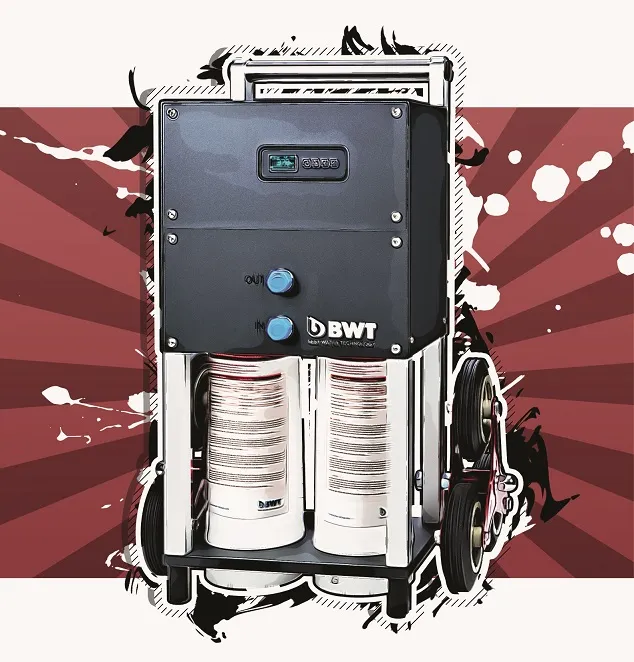
If this is not possible, water treatment specialist BWT recommends a mobile demineraliser such as the new AQA Therm MOVE Power, which reduces the salt content (conductivity) in the central heating water without taking the system out of operation.
Additives can also stabilise the system and prevent further damage. To this end, water treatment specialist BWT offers the SoluTECH range. It consists of liquid products, with a specific SoluTECH product developed for each heating method, which a heating installer can add to the heating water. Just 500 ml to 1 litre of product is enough to treat 100 litres of heating water effectively.
Your heating specialist can always contact BWT for advice tailored to your central heating system.
Question about this story? Ask your question
Keep following this
Get an email when a new story is published. No account needed.
- ThemeSafe and efficient water use
- SubjectNews







