











PALMKI: Biometric palm scanning offers enormous potential for authentication
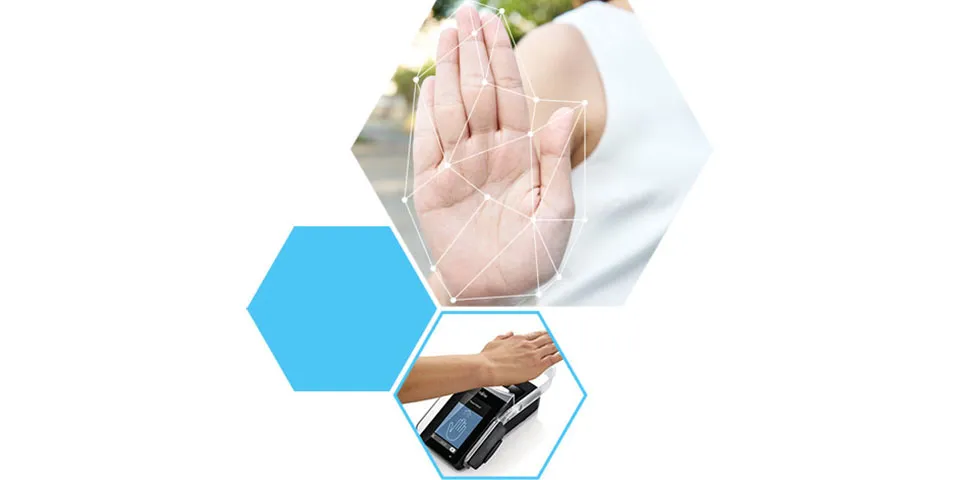
Vein pattern recognition is an extremely secure method with applications across a wide range of sectors.
Wim Van De Putte, General Manager of Perfect ID, explains
Combining expertise
Van De Putte: “Perfect ID combines the expertise of two companies. Alfa-Zet Systems specialises in automation software, while DNCS specialises in security and access control. Together, they have started working with PalmSecure technology, an infrared sensor developed by Fujitsu.” “This led to the creation of the ‘PALMKI’ brand, an extremely reliable end-to-end solution that can be used to grant access to a building or data, make a payment, and more.”
User-friendly, fast, hygienic and highly secure recognition
“The sensor detects the vein pattern in your palm at five million different points. This pattern remains the same throughout your life and is unique to each person. Blood must also be flowing for the pattern to be recognised. The data is then converted into a secure code, which is matched against a new scan of your palm next time,” explains VDP.
“This makes it much safer, faster and more convenient than badges, which can be forgotten, stolen or lent to someone else, risking mistaken identity. It is also more environmentally friendly than any alternative that requires an accessory. A badge uses 6 g of plastic. Do the maths. What’s more, Palmki can be used in full compliance with GDPR.”
Interest across a range of sectors
VDP: “Although we only started in April 2019, there is already a great deal of interest. But of course, it takes time to bring PALMKI to market. Biometrics is an innovative technology that many people still need to get used to.”
“We are a partner of Living Tomorrow, where this technology is on display. It is also already in use at A-STAY Antwerpen, the hotel of the future. Hospitals are also interested because PALMKI can be used without contact, which certainly promotes hygiene.
Schools and universities also recognise its wider social potential. They want to teach their pupils how to use innovative, environmentally friendly technology alongside a robust privacy policy. In the hospitality sector, Vesta is trialling the concept, using palm scans to record staff start, finish and break times against the planned schedule.
We are now implementing PALMKI in various sectors, including data centres, government services and real estate projects, to find out where the technology offers the greatest added value.”
Question about this story? Ask your question
Keep following this
Get an email when a new story is published. No account needed.
- SubjectNews







