











From geothermal energy storage to energy as a service
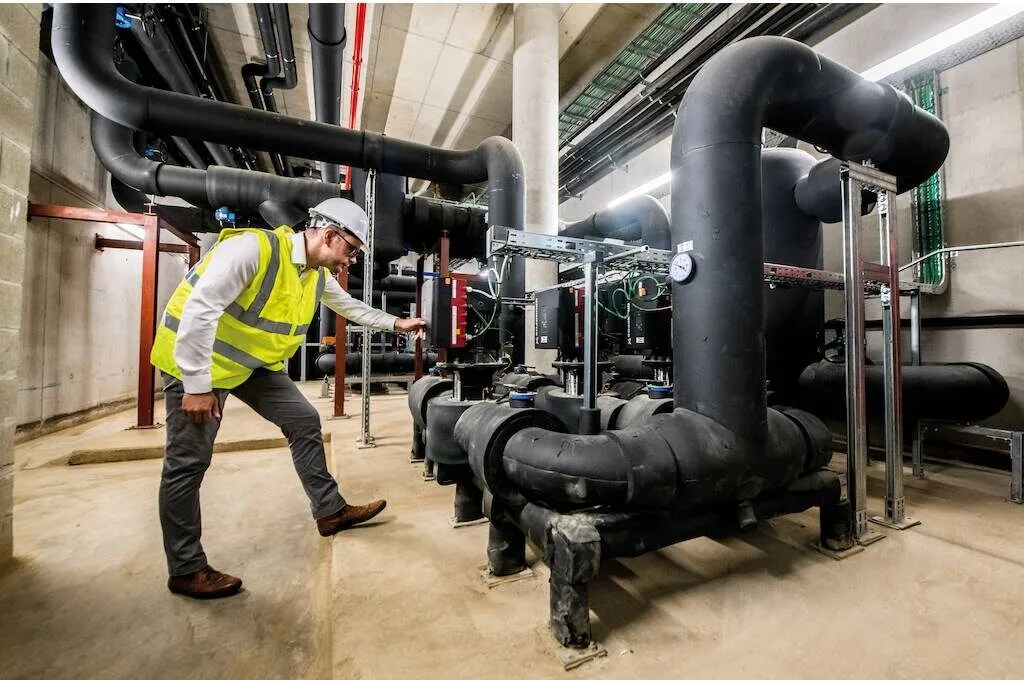
2030 and 2050 may still seem a long way off, but these key milestones in the sustainable energy transition are just around the corner. Shallow geothermal energy is one of the technologies playing a crucial role in the quest for energy neutrality. When research was carried out more than twenty years ago into the feasibility and potential of geothermal energy storage in Flanders, IFTech conducted the design and feasibility studies. By 2021, the Limburg-based company had evolved towards a Design, Build & Maintain approach with long-term performance guarantees. It also offers an innovative ‘energy as a service’ model for clients who want it. Managing director Raf Schildermans explains. “If we want to achieve energy neutrality by 2050, we need to speed up the roll-out of shallow geothermal energy urgently.”
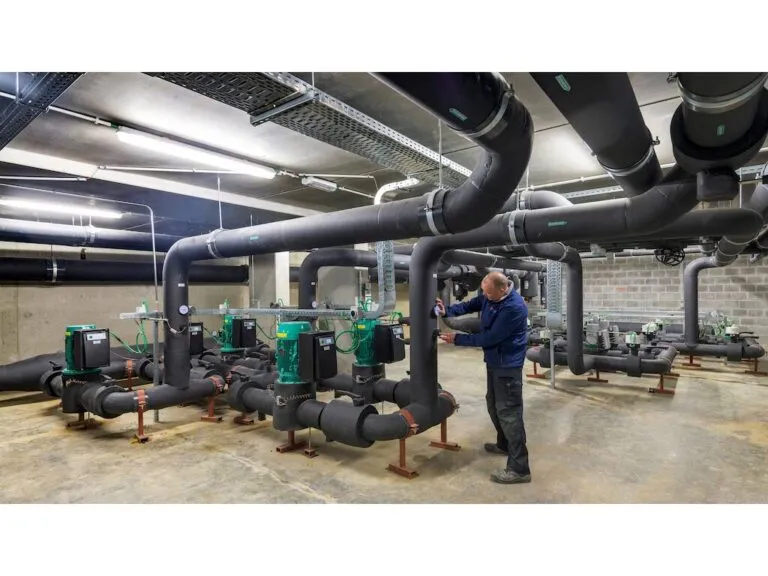
When geothermal energy storage began to gain traction in our region around the turn of the century, following its rapid rise in the Netherlands, IFTech was already at the forefront. Founded in 2000, the company spent around ten years carrying out feasibility and design studies. “Naturally, this raised expectations regarding efficiency, output and reliability,” says Raf. “But we realised that we had to deliver geothermal systems ourselves if we wanted to make good on those promises and put our expertise to work. This is particularly true of large geothermal energy plants, where a BEO field or a KWO system is combined with large-scale heat pumps. You have to bring together a range of technologies and specialisms, such as drilling, heat pumps, controls and automation, and make them work as one. If you cannot rely on a single party to oversee the whole project, it is very difficult to guarantee optimum performance. That is why we have evolved towards a Design, Build & Maintain approach, backed by long-term performance guarantees. In other words, the agreed capacities and temperatures are delivered at the agreed electricity consumption levels. This allows us to offer integrated, end-to-end solutions and manage every aspect of the project.”
Energy as a service
IFTech has since taken things a step further than the DBM model. In 2019, it introduced an innovative energy as a service concept. “Our performance guarantees helped us convince many interested developers to opt for our geothermal energy plants, but we realised that the initial investment remained a barrier,” Raf explains. “That gave us the idea of offering a financial plan alongside our projects, under which we co-invest in building the energy plant in exchange for a long-term energy supply contract. We guarantee customers a fixed price for heating, cooling and full maintenance, combined with a spread payment plan for the installation. First and foremost, we remain a designer and builder of geothermal energy plants. We are not particularly looking to become an ESCO, but we can also offer a financing option when customers need one. For us, this is not a business model in itself, but rather a way to accelerate the implementation of the technology.”
Residential applications too
This approach seems to be paying off, as geothermal energy storage has clearly gone mainstream. Raf notes that it is being used not only in hospitals, care homes and office buildings, but also in residential developments: “Think of landmark projects such as Turnova in Turnhout, Gare Maritime in Brussels and Quartier Bleu in Hasselt, where many homes and commercial spaces are connected to a ‘neutral network’ that balances differences in demand profiles as efficiently as possible. Homes mainly need heating and domestic hot water, while commercial spaces naturally need more cooling. The associated KWO system meets the building’s net demand by generating the required heating or cooling as efficiently as possible, with minimal primary energy consumption, and distributing it. Because our approach is highly standardised and integrated, we can bring together a great deal of technology in a single packaged module, which also makes it straightforward for us to take on projects abroad. We have already completed several projects in the United Kingdom, including Royal Liverpool University Hospital. Shallow geothermal energy is also one of the key technologies there for achieving energy neutrality by 2050. In short, the future of geothermal energy storage looks very promising!”
Question about this story? Ask your question
Keep following this
Get an email when a new story is published. No account needed.
- ThemeEnergy generation and smart use
- SubjectNews







