











‘Fossil-free by 2050? Not if we carry on like this’
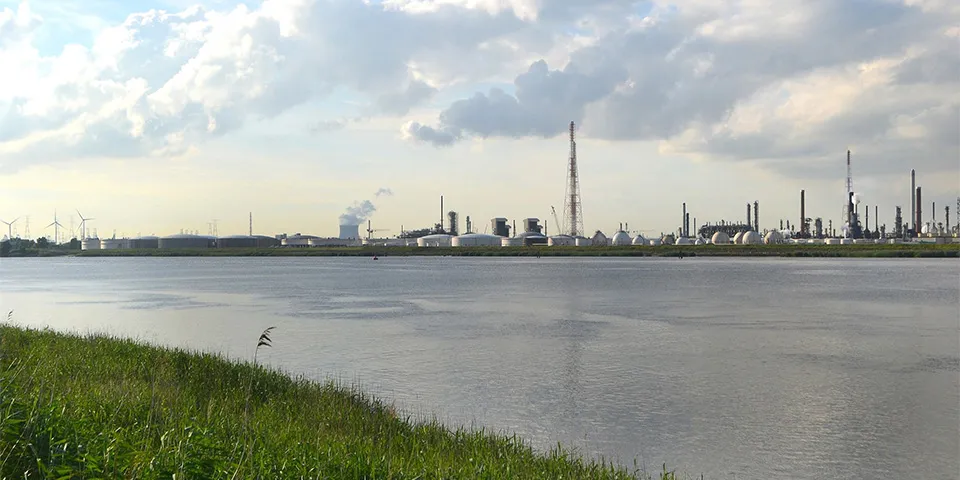
The transition to sustainable energy will be one of the biggest challenges of this century. Coal-fired power stations and gas supplies must be phased out and replaced with wind turbines, solar panels and heat pumps. Belgium is not among the top performers. “In terms of vision and policy, we are ten years behind countries such as the Netherlands, and unless that changes soon, we will not meet the 2050 deadline,” says Niels Balcaen, project engineer at VK Architects & Engineers.
Becoming independent of heating oil and gas by 2050 may seem like a formidable challenge, but Greenpeace says it is possible. The debate over nuclear energy is raging: does its lower CO2 emissions outweigh the safety risks and the problem of nuclear waste? To avoid that problem, the focus is mainly on wind turbines, solar panels and heat pumps. In Belgium, however, Niels Balcaen, project engineer at VK Architects & Engineers, sees little happening and hopes this will change soon. In an exclusive interview with our magazine, he explains his views.
The much-needed energy transition means different things to different people. Can you explain exactly what it involves?
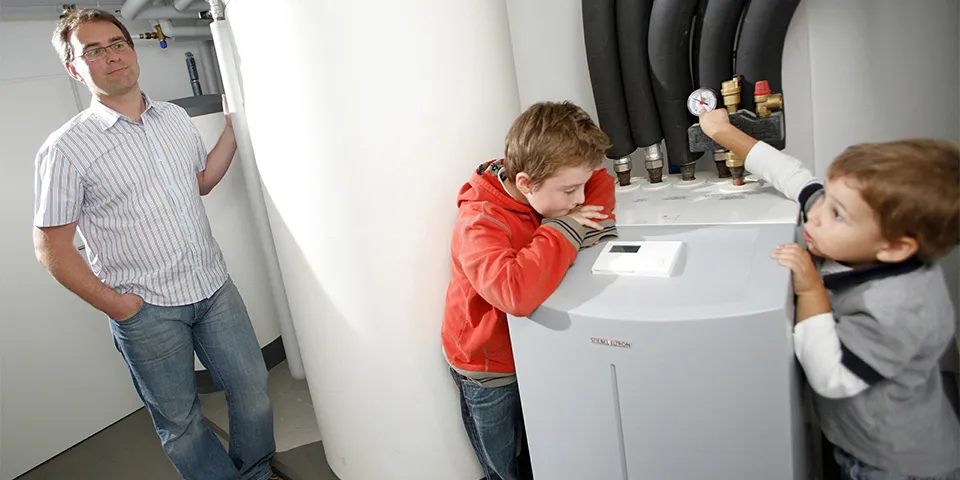
‘We need a mix of different systems to heat buildings.’
“It means completely moving away from fossil fuels and towards a society powered by green energy. Some define this as a carbon-neutral society, but I think it should be viewed more broadly and described instead as climate-neutral. After all, there is more to consider than harmful CO2 emissions alone. That said, CO2 emissions can be seen as a useful measure.”
What should the priorities be?
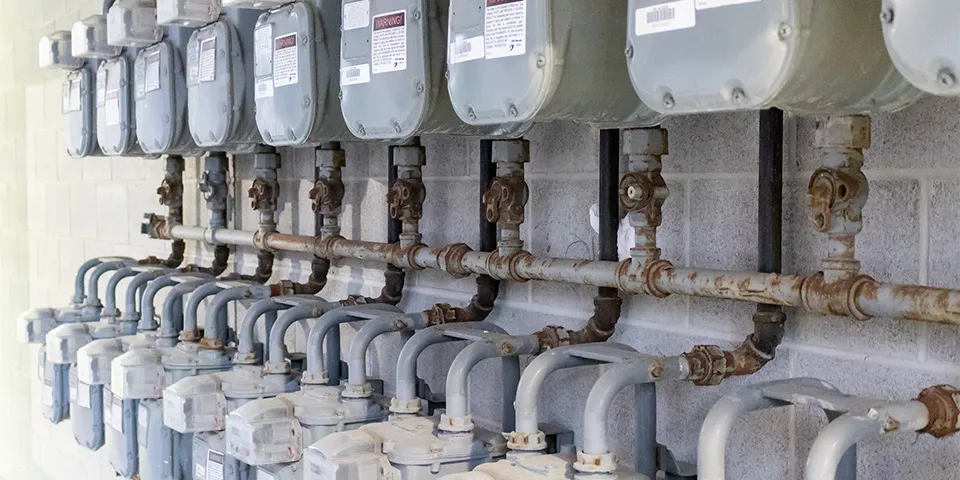
‘Our neighbours to the north also use catchy phrases such as ‘Van het gas los’ and ‘Nul op de meter-principe’. Here, unfortunately, we have not got beyond the BEN home.’
“Industry, agriculture, transport and buildings. In all these sectors, we need to look at how we can move away from fossil fuels. Worldwide, most energy is used to produce heat, and that presents a lot of opportunities. We really need to abandon the idea that everything can be solved in one way. For now, a nuclear power station is enough to generate electricity, but in future we will need to diversify. The same applies to the automotive sector. Everyone thinks we should all drive electric cars, but if the whole world used only that type of car, the raw materials needed to make batteries would soon run out. We would then face a new ecological disaster. Hydrogen will therefore certainly need to be an alternative. Similarly, we need a mix of different systems to heat buildings.”
What is going wrong in Belgium?
“Our country is simply dragging its feet. I hear a lot of talk, but see little action. As a result, we are certainly ten years behind countries such as the Netherlands in terms of vision and policy. The longer we wait, the more it will cost to make the transition. To be fair, the incentive in the Netherlands is naturally much greater, for example because of the ground subsidence caused by gas extraction in Groningen. The pressure to disconnect from natural gas is much higher there. Last year, they began systematically disconnecting housing developments and even entire neighbourhoods from natural gas, with these areas getting their energy from other sources. Municipalities and cities are increasingly developing a kind of heat vision, which is communicated to residents very clearly and visually. Residents are given information on the best way to disconnect gas supplies in each neighbourhood, residential area, district, street… For a neighbourhood close to an incinerator, for example, a heat network could be developed to use the waste heat it produces. Our neighbours to the north also use catchy phrases such as ‘Van het gas los’ and ‘Nul op de meter-principe’. Here, unfortunately, we have not got beyond the BEN home. Over the past few years, everyone has become familiar with the term, and everyone knows that nearly zero-energy is the new standard. BEN translates the climate ambitions for 2020, but there is no idea of what the next step towards 2030 should be. How we are supposed to be energy-neutral by 2050 is an even bigger question mark. I too have serious questions about the policy…”
Is nothing really happening in Belgium?
“Cities are considering the option of installing heat networks, but often it goes no further than a study. There is some progress in Antwerp, though. A heat network has been launched in Nieuw-Zuid, which in future will be able to use waste heat from industry in the port.
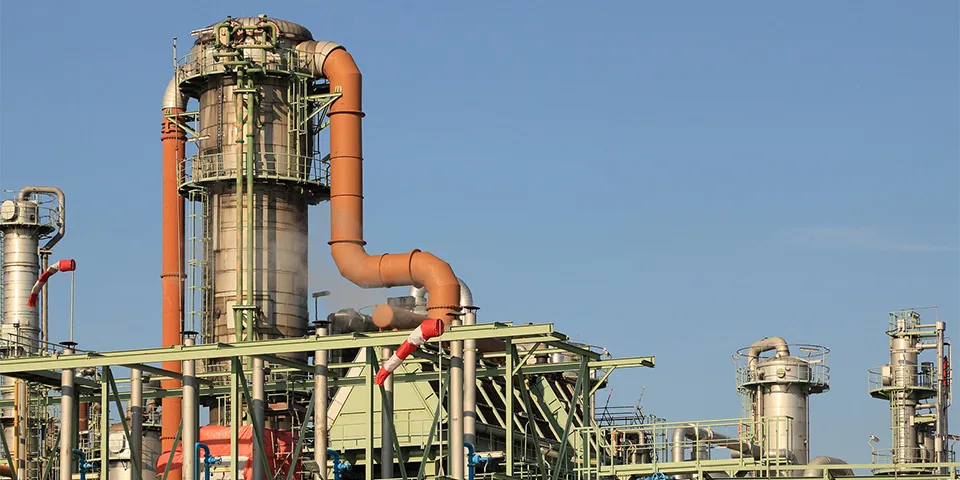
‘Antwerp is the only place where anything is really happening. A heat network will carry heat from industry in the port to Nieuw-Zuid.’
Other parts of the city will also be able to connect to this heat network. This makes sense there because a large heat demand is concentrated in a very densely populated area. In rural municipalities, of course, this is not so attractive. Individual solutions are needed there, such as an individual heat pump.”
If you could give the Belgian government one golden tip, what would it be?
“Simple: really get on with it! By 2050, every country must be fossil-free and energy-neutral, but here we are doing practically nothing to achieve that, at least not with a shared vision. Subsidies are heavily focused on individuals. If I renovate my house, I can get a very generous subsidy if I choose to install a heat pump. So the costs are borne by society, while the benefits go to the individual. That is not right. A fair solution would be to tackle the problem on a larger scale, as they do in the Netherlands. When new neighbourhoods are built, the entire area is treated as a kind of energy cooperative. Residents can then exchange electricity or heat with one another without any fuss, with payments settled through the cooperative. Research projects are under way, involving Fluvius (formerly Eandis and Infrax, ed.), but everything is moving far too slowly. And it is easy to start thinking that other incentives are at play, blocking the entire policy. For example, Belgian cities and municipalities can impose certain conditions when granting a planning permit for a housing development or urban development project, such as a ban on gas connections. But this is still done far too rarely, or not at all. For now, developers in Belgium have only one incentive: to build as cheaply as possible. And natural gas is the obvious energy source. Install a gas boiler and you’re done. The government should use policy to change this, giving other energy sources an advantage over fossil fuels.”
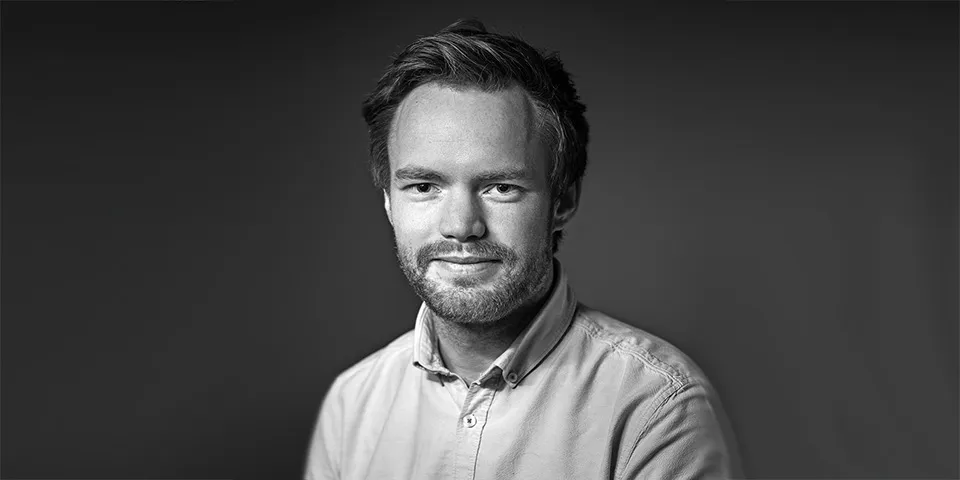
Niels Balcaen, project engineer at VK Architects & Engineers.
Question about this story? Ask your question
Keep following this
Get an email when a new story is published. No account needed.
- ThemeEnergy generation and smart use
- SubjectNews







