











Flanders offers aspiring installers a wide range of training options
Text Wouter PolspoelImage Pixabay
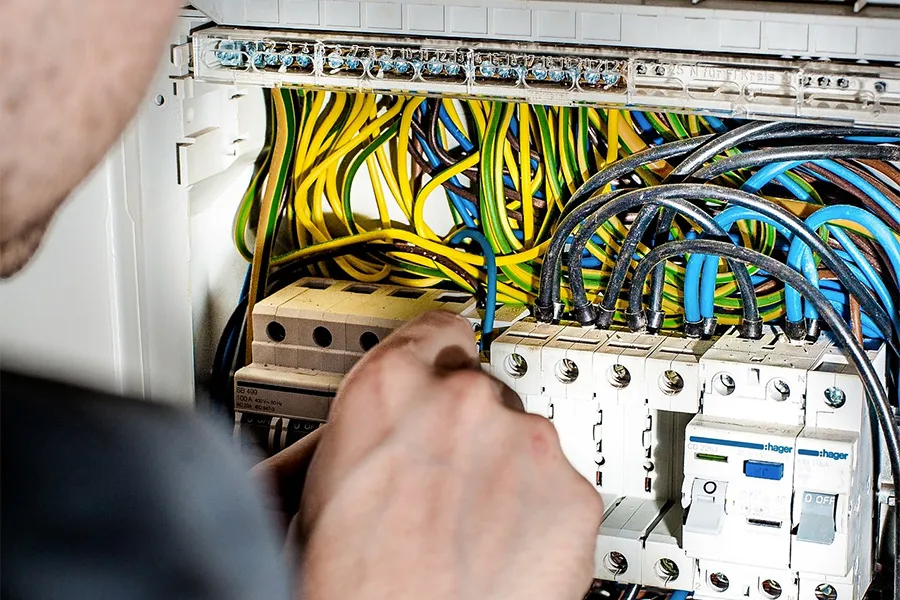
Anyone in Flanders looking to train in a particular installation technology can choose from a wide range of options, from a practical course at SYNTRA or the Flemish Employment and Vocational Training Agency (VDAB) to a degree programme at a university college that also devotes ample attention to the theory behind the practice. An overview of the options open to aspiring installers in Flanders.
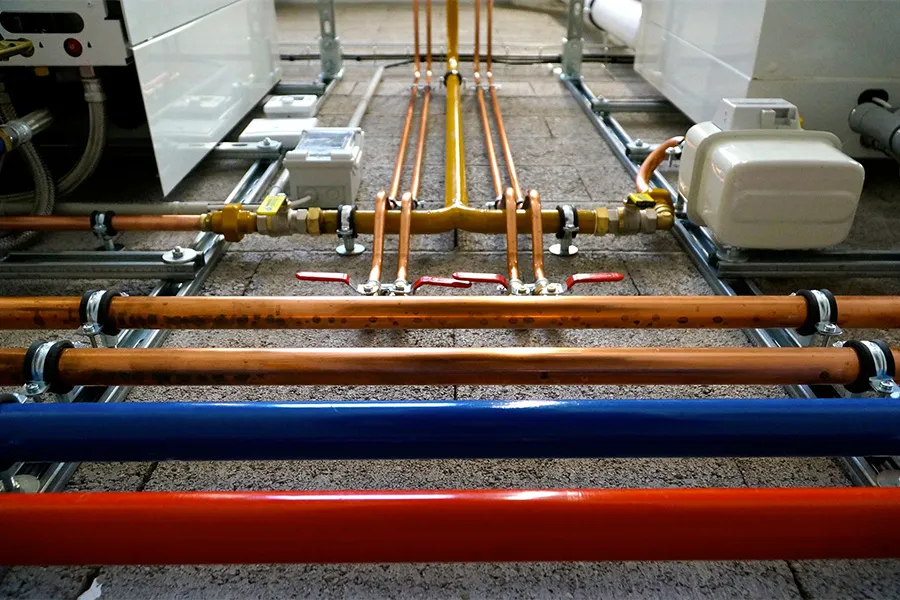
Let us first clarify what exactly is meant by installation technology. The term refers to the field concerned with the design, installation, maintenance and optimisation of technical systems in (industrial) buildings and infrastructure, and encompasses many disciplines. In industrial buildings, these technical systems usually take the form of process plant or piping for transporting liquids and gases. In infrastructure, examples include charging infrastructure, tunnel ventilation and road lighting. In residential and office buildings, the focus is mainly on HVAC systems, lighting, switches, home automation, water and plumbing systems, solar panels and home batteries. Installation technology must comply with strict building regulations, safety standards and environmental requirements.
Given the broad scope of installation technology, listing all the general and specialist courses available in the field in Flanders would be an impossible task. We can, however, list the various training providers. With our readership in mind, we focus on courses in installation technology for residential and office buildings.
CVO, SYNTRA and VDAB
First, there are the various Centres for Adult Education (CVO), SYNTRA and VDAB. They offer a range of courses, from basic training to specialist courses, focusing on the installation and maintenance of HVAC systems and plumbing and electrical installations.
Dual learning
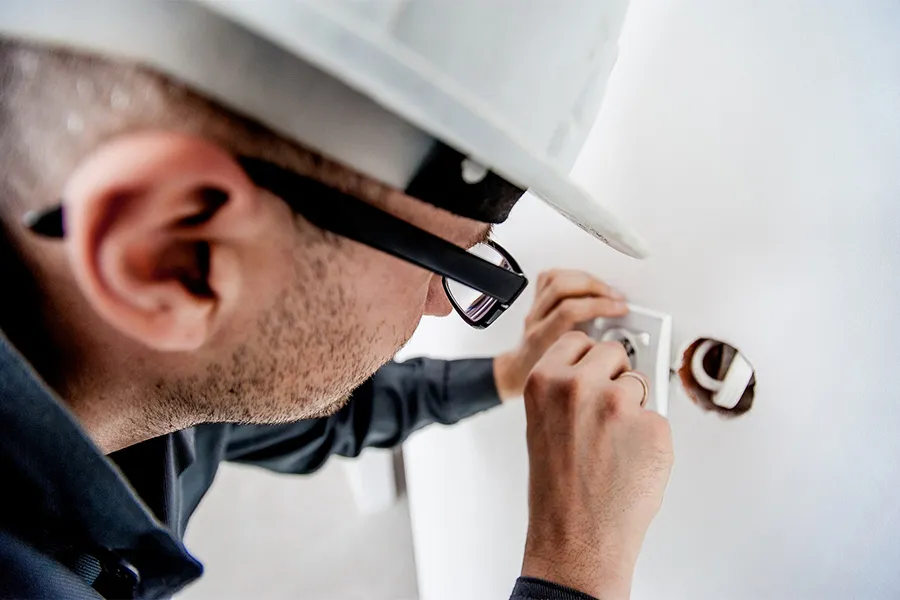
In addition, pupils at Flemish technical and vocational secondary schools can choose dual learning at an increasing number of schools. This combines lessons at school with workplace learning, bringing training and practical experience closely together.
Dual learning is generally available only to pupils nearing the end of their secondary education, and usually lasts one academic year. It is available to aspiring HVAC installers, plumbers and electricians.
University colleges
For those who want to become installers and gain a higher-level qualification, several Flemish university colleges, namely AP Hogeschool Antwerpen, HOGENT, Hogeschool PXL, Odissee, Thomas More, UCLL and VIVES, offer bachelor’s degrees in electromechanics or energy technology, with a strong focus on installation technology, as well as associate degree courses in HVAC systems. These programmes generally take several years to complete.
Experienced installers are not overlooked
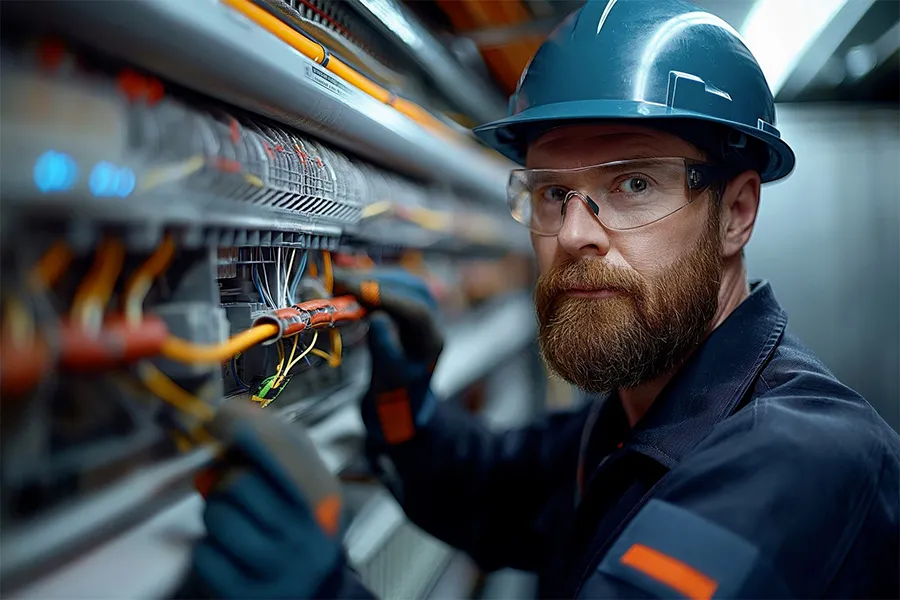
Few sectors are evolving as rapidly under the influence of the energy transition as the installation sector. That is why CVO, SYNTRA and VDAB offer short specialist courses and further training for experienced professionals, alongside courses for aspiring installers. Many of VDAB’s courses can be taken online, at your own pace.
Wide choice reflects strong demand
Dual learning pathways, in-depth bachelor’s programmes, practical associate degree courses and short specialist courses: it is clear that Flanders offers a wide range of training in installation technology. This breadth of choice, and the fact that some courses also cater to experienced installers, reflect the growing need for professional installers to make the energy transition a reality in Flanders’ installation sector.
Details of specific courses, their programmes, entry requirements and enrolment procedures can be found on the websites of the various training centres and university colleges.
Question about this story? Ask your question
Keep following this
Get an email when a new story is published. No account needed.
- ThemeThe installer of tomorrow
- SubjectNews







