Passive fire protection is far more important than most people think
Since its foundation, Bostik has grown into a leading global player in adhesive and sealant solutions. With 130 years’ experience in developing smart adhesives, the company has become a globally respected manufacturer and partner in bonding technologies. Bostik, part of Arkema, a major player in speciality chemicals offering innovative and sustainable solutions, operates in more than 55 countries, has 6,000 employees and generates annual revenue of approximately 2 billion euros.
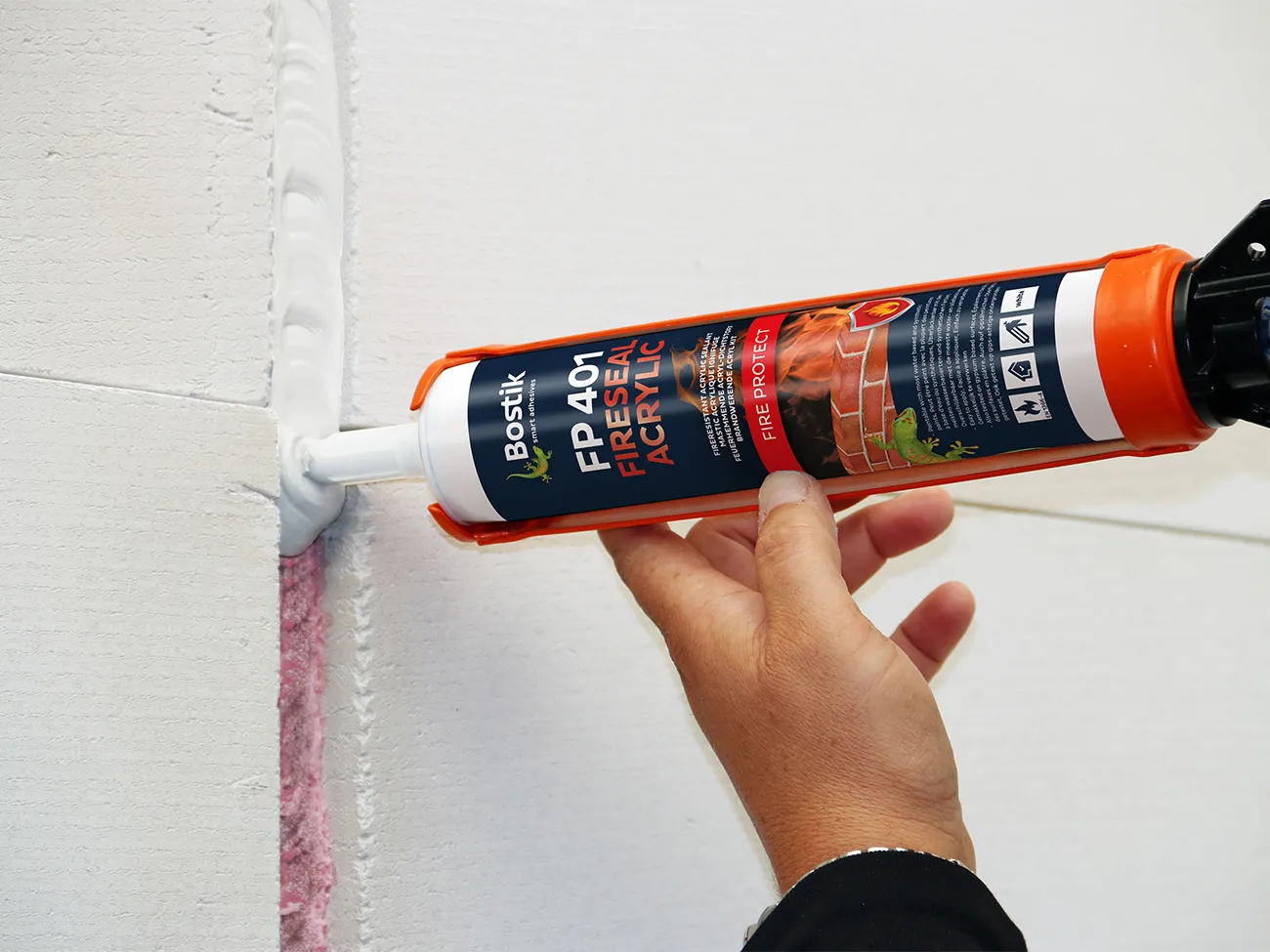
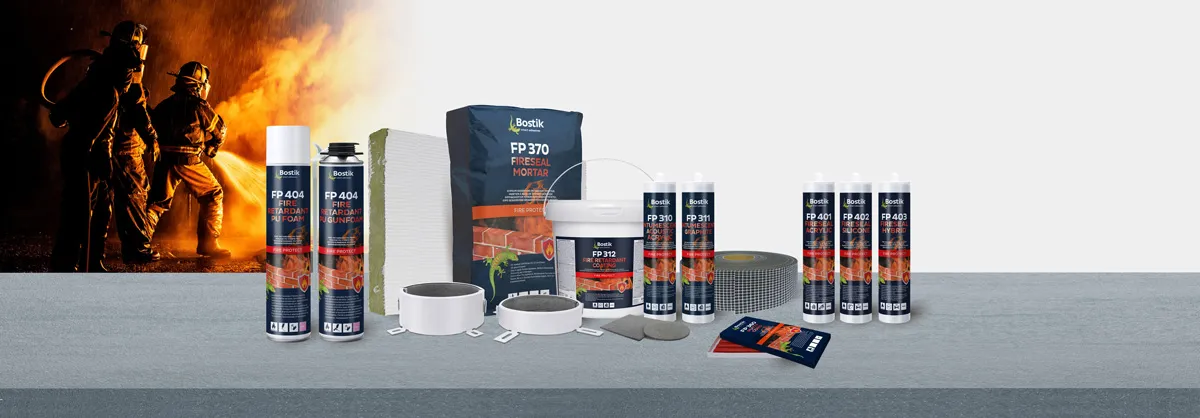
Under the Bostik Fire Protect name, Bostik has developed a complete range of passive fire protection solutions. The range is designed to provide effective solutions using the latest passive fire protection technologies. All products and applications have been fully tested and certified in accordance with the latest European standards.
Bostik Fire Protect saves lives
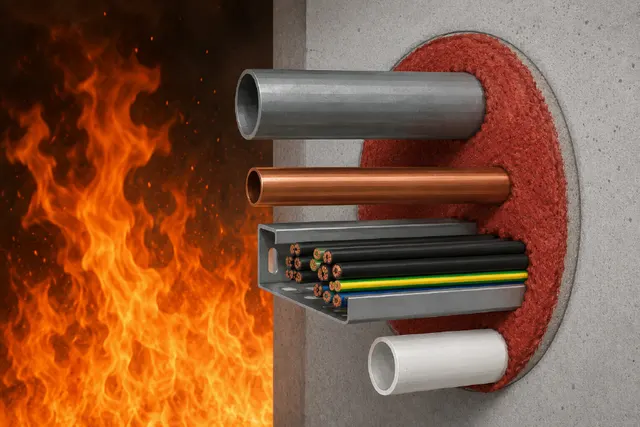
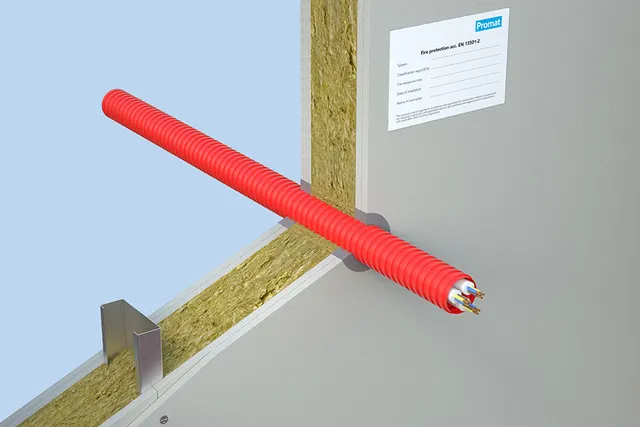
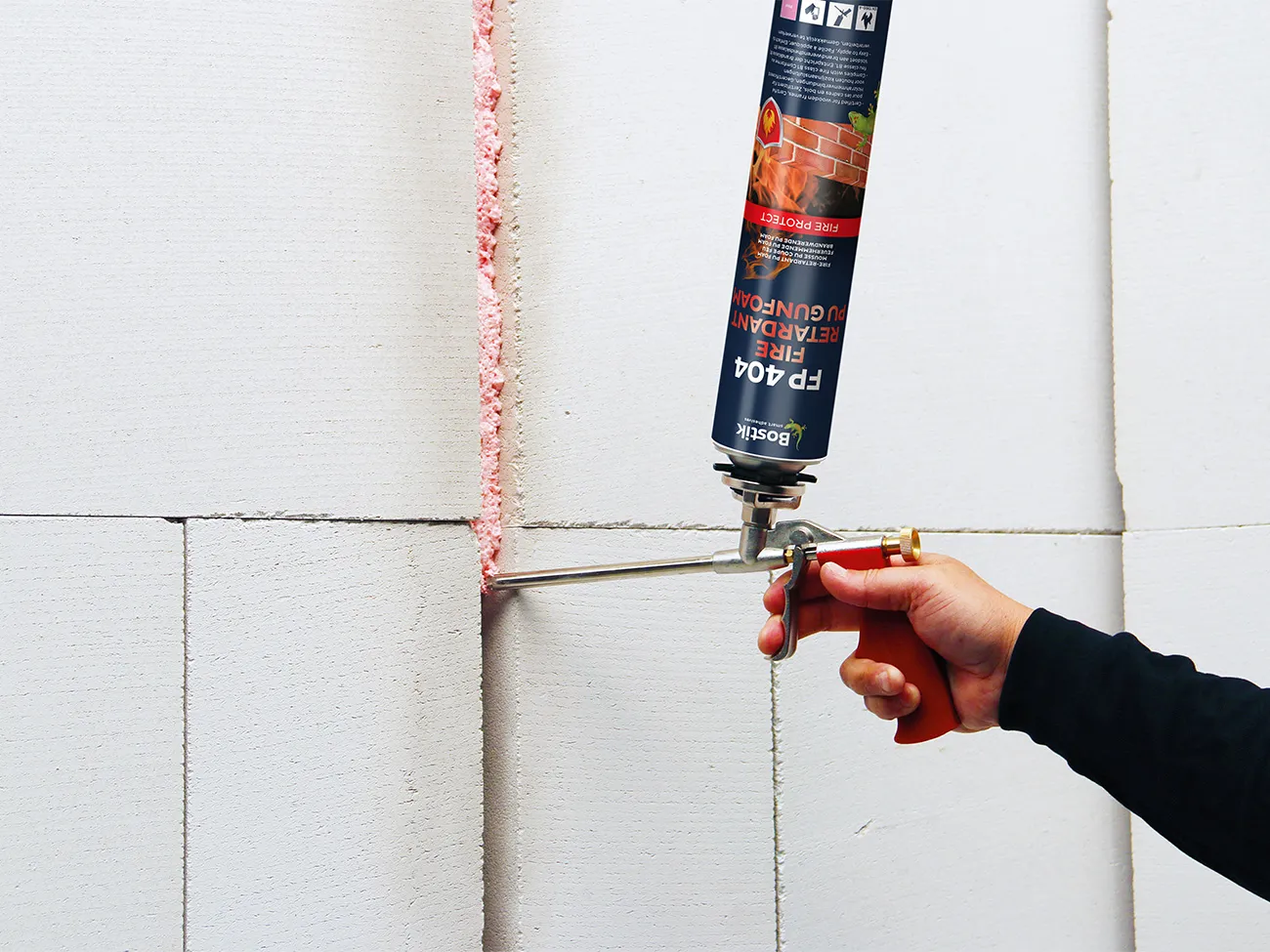
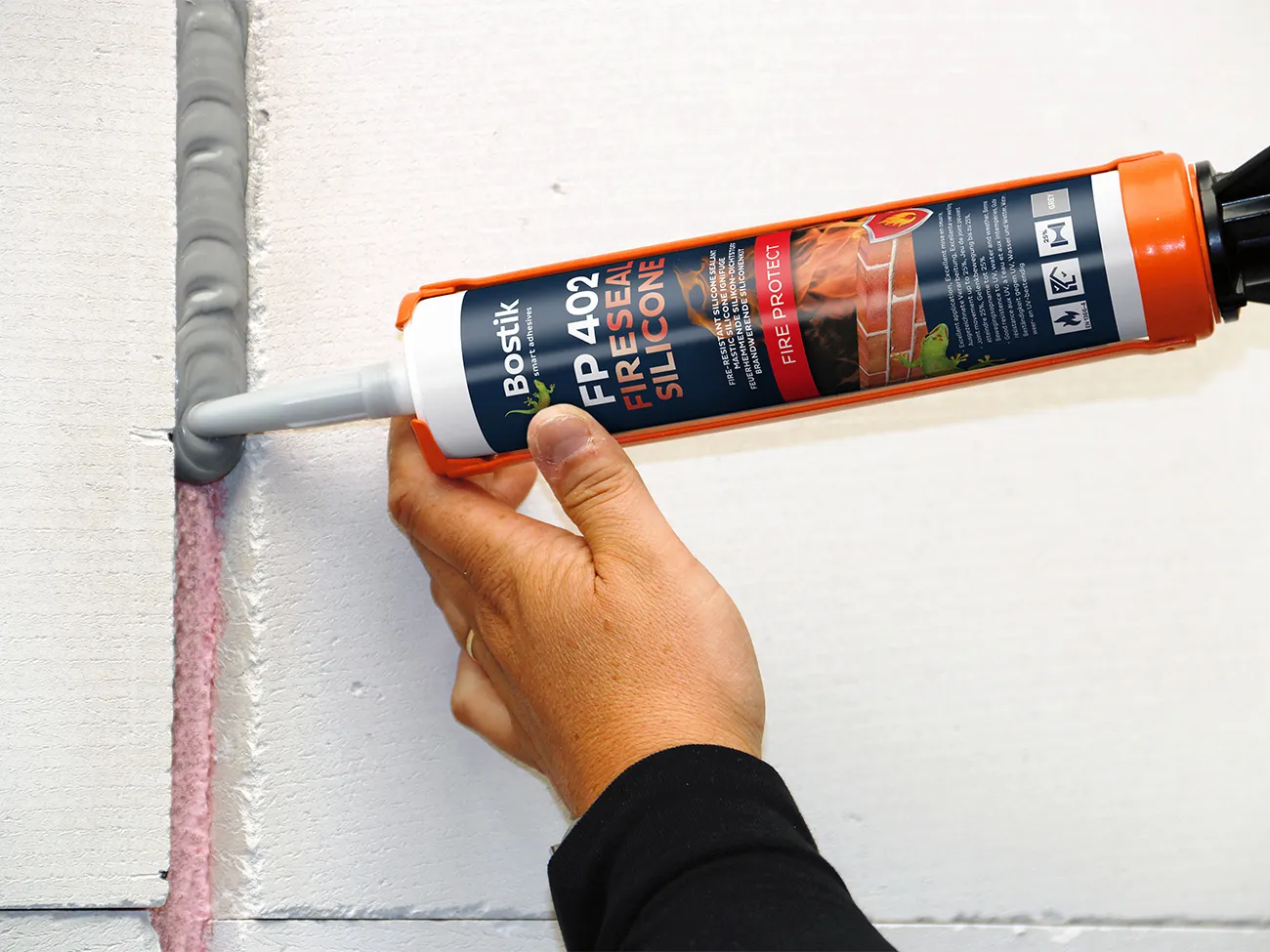
Bostik Fire Protect is a complete, fully certified and approved range of passive fire protection products for movement joints, connection joints, openings and service penetrations between fire compartments. Passive fire protection products are the primary means used during construction to limit the spread of flames, heat and smoke and substantially improve fire safety. When correctly installed, Bostik Fire Protect products meet the basic statutory requirements for compartmentation. They also contribute to a building’s structural stability.
Passive fire protection
Passive fire protection limits the spread of fire and smoke, and therefore the transfer and ‘flashover’ of fire between compartments.
It also keeps temperatures in the affected area under control and maintains the stability of structural elements.
Nick Haring, Business Developer at Bostik: “Passive fire safety is far more important than most people think. It can save many lives, limit losses caused by property damage, minimise business disruption and protect the building, making it accessible after a fire.”
Why is fire resistance so important?
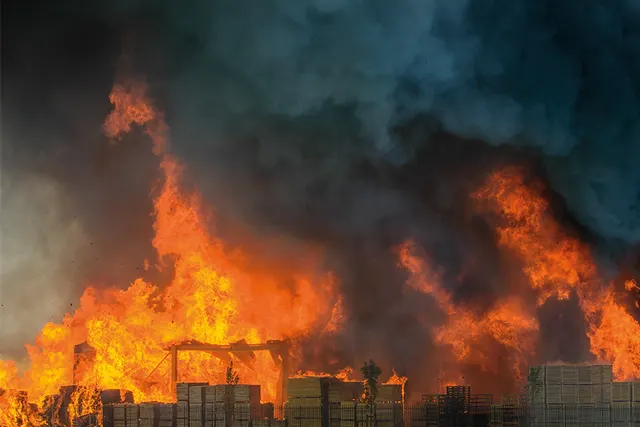
Fire resistance is a measure of how long a structure can withstand the effects of a fire before it fails. It is therefore important to make fire resistance as high as possible. To achieve this, buildings are divided into fire compartments, an essential part of passive fire safety. The aim in the event of a fire is to limit the spread of smoke and flames to a single compartment and slow the spread of the fire. This gives people the chance to leave the building safely and gives the emergency services more time to tackle the fire.
Linear joints and service penetrations
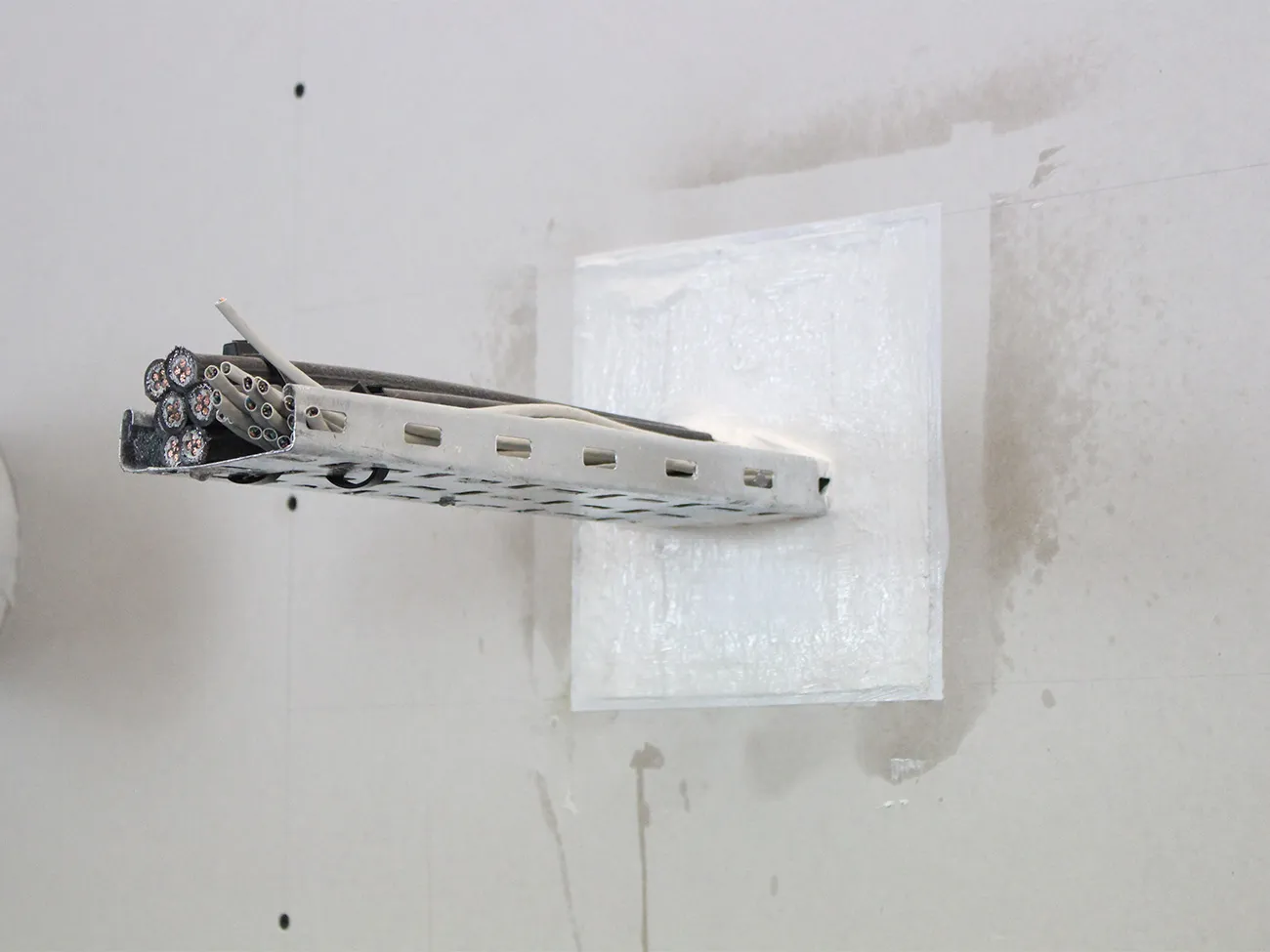
Nick Haring: “When sealing linear joints, a few questions are important. What is the fire resistance requirement? Does the structure need to be fire-resistant for 30 minutes, 60 minutes, or perhaps 120 or 180 minutes? How thick is the wall and how wide is the joint? Or are these movement joints? For service penetrations, there are other key considerations. What type of service is passing through? Do the pipes pass through a wall or ceiling? What material is the structure made of? And how large is the opening that needs to be sealed? There is a suitable solution in the ‘Bostik Fire Protect’ concept for every fire-resistant seal required.”
A business enquiry for Bostik Benelux? Get in touch
Companies in this story

Keep following this
Get an email when a new story is published. No account needed.
- ThemeFire safety in building services
- SubjectFire protection
- CompanyBostik Benelux