











Belgian HVAC-R association develops new Flemish certification scheme
Text Frixis en Wouter PolspoelImage Frixis en AI
The European F-gas Regulation, which has been in force since March 2024, introduces new training and certification requirements for HVAC-R technicians. Member States must bring their certification programmes into line with the regulation by March 2027. Commissioned by the Flemish Energy and Climate Agency (VEKA), Frixis, the Royal Belgian Association for the refrigeration, heat pump, air conditioning and air treatment sector, is therefore helping to develop an updated Flemish certification scheme. The aim is clear: technicians who can work safely and competently with the new generation of refrigerants, and training centres that prepare them properly.
The regulation accelerates the phase-out of fluorinated greenhouse gases and responds to the growing use of natural refrigerants such as CO2, propane and ammonia. Safety is paramount: propane is flammable, ammonia is toxic and CO2 operates at high pressure. That is precisely why new, updated certificates are needed. In this context, certification is no mere administrative formality, but directly protects installers themselves and end users.
All EU Member States, including Belgium, must meet European competency requirements. VEKA therefore commissioned Frixis to help further develop the Flemish certification scheme. The focus is on certificates that reflect the increasing use of natural refrigerants, specifically for systems using F-gases and flammable refrigerants (categories A1 and A2, respectively with no limit and with less than 3 kg of refrigerant), CO2 systems (category B), ammonia systems (category C), the recovery of F-gases and flammable refrigerants from systems containing less than 3 kg of refrigerant (category D), and leak checks on systems using F-gases and flammable refrigerants (category E).
From regulations to practical exams
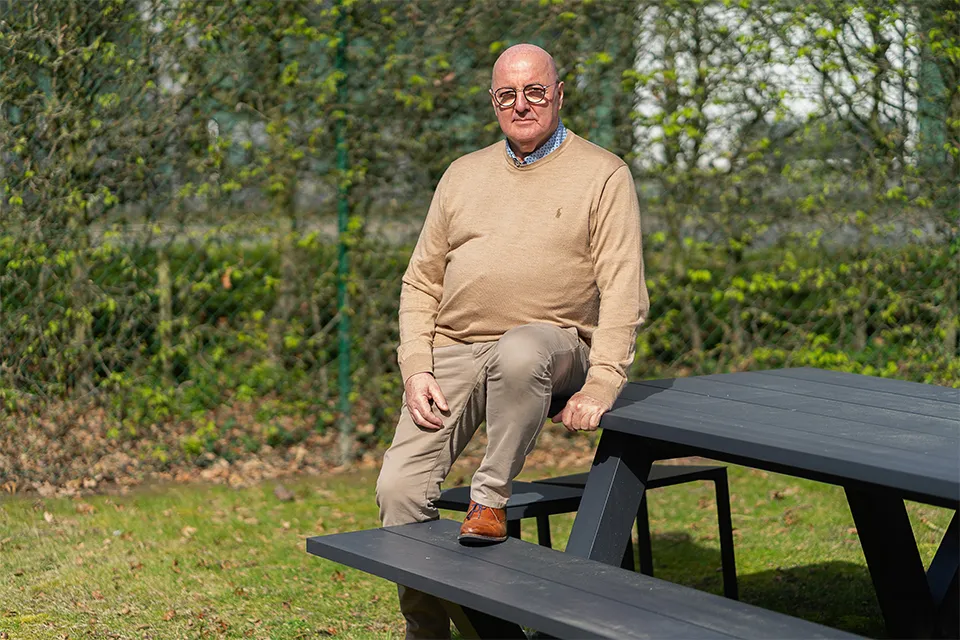
“The energy transition and the further phase-out of F-gases call for new skills in our sector,” says Herwig Coppens, chair of Frixis. “We want exams that are legally robust, but above all that test what a technician really needs to be able to do on site when working with propane or CO2. That is a very different proposition from twenty years ago.”
A challenging task for all parties
The project presents a considerable challenge for everyone involved. In just five months, both the theoretical exam questions and practical tests for six different certificates must be developed or updated. That is a tight timeframe for a process that would normally require more time: exams must be legally sound, technically robust and relevant to conditions on the ground.
“The timeframe is limited, but the deadline is fixed,” confirms Herwig Coppens. “Together with training centres, technical experts and government authorities, we want to develop exams that are technically robust and practical to deliver in the field. That calls for intensive consultation in a short period.”
Sharing best practice across borders
Best practice is also being sought across national borders. Frixis is contacting several neighbouring countries to find out how they are implementing the new European regulations. Close ties have now been established with NVKL and GO Aeres in the Netherlands. Exams for A1 and A2 are already under way there, with the other categories due to follow shortly. In recent years, the Netherlands has built up considerable expertise through the sector-led so-called ACB certificates. The other Belgian regions are also closely involved. By sharing information and experience, the aim is to establish a minimum, uniform standard for exams across Belgium. “By sharing experience nationally and internationally, we want to help build a high-quality and as uniform an approach as possible,” says Herwig Coppens.
First meeting held
The project officially began on 30 April and runs until 30 September. An initial meeting with the parties involved has since taken place. More than 25 representatives from companies in the sector, schools and training centres are contributing to the project. Several working groups will work intensively together over the coming months to deliver a high-quality, realistic and innovative outcome. Updates on the project are available on the Frixis website.
Question about this story? Ask your question
Keep following this
Get an email when a new story is published. No account needed.
- ThemeFossil-free heating and cooling
- SubjectNews







