











B.E.G. Belgium’s flexible, simple lighting puts Hasselt Fashion Museum in the perfect light
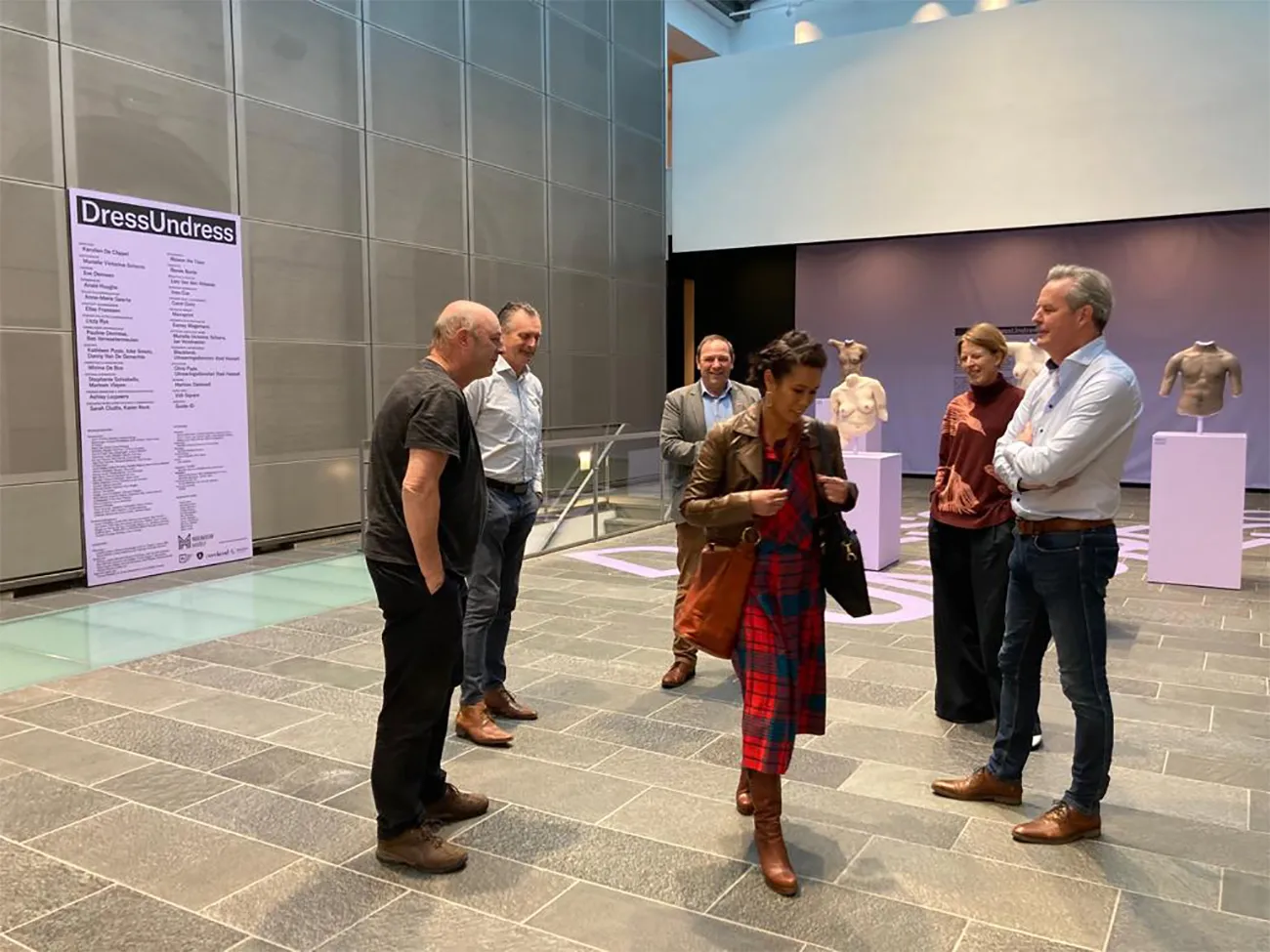
Museum lighting is particularly demanding. This is also true of the fashion museum in the city of Hasselt. Valuable garments need special protection. Modern lighting installations offer museums a wealth of possibilities. For changing exhibitions, lighting needs to be easy to adapt and flexible. Cost efficiency and energy savings are important themes for the capital of the Belgian province of Limburg too. In 2022, the museum gets flexible, simple lighting that puts fashion in the perfect light.
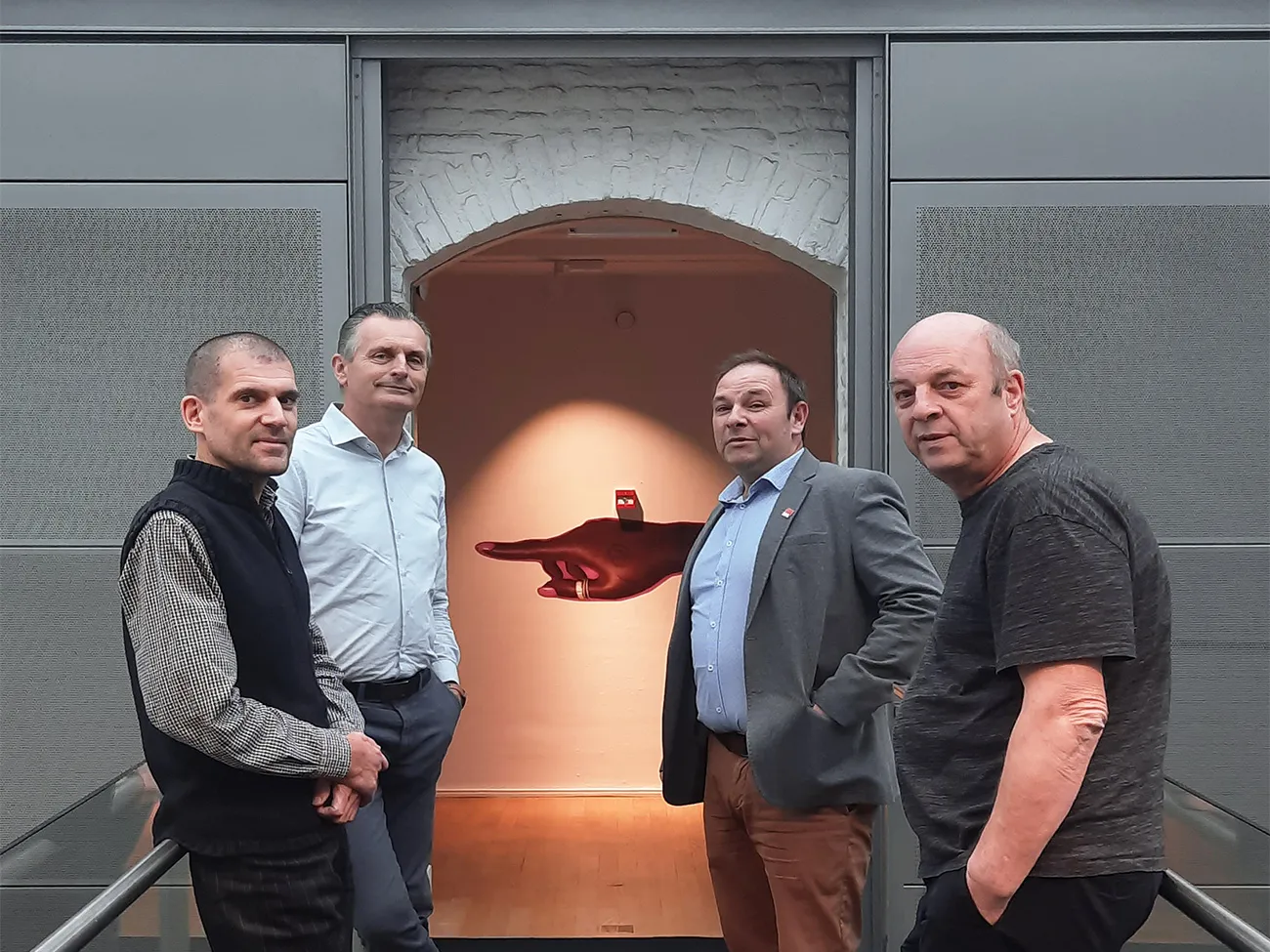
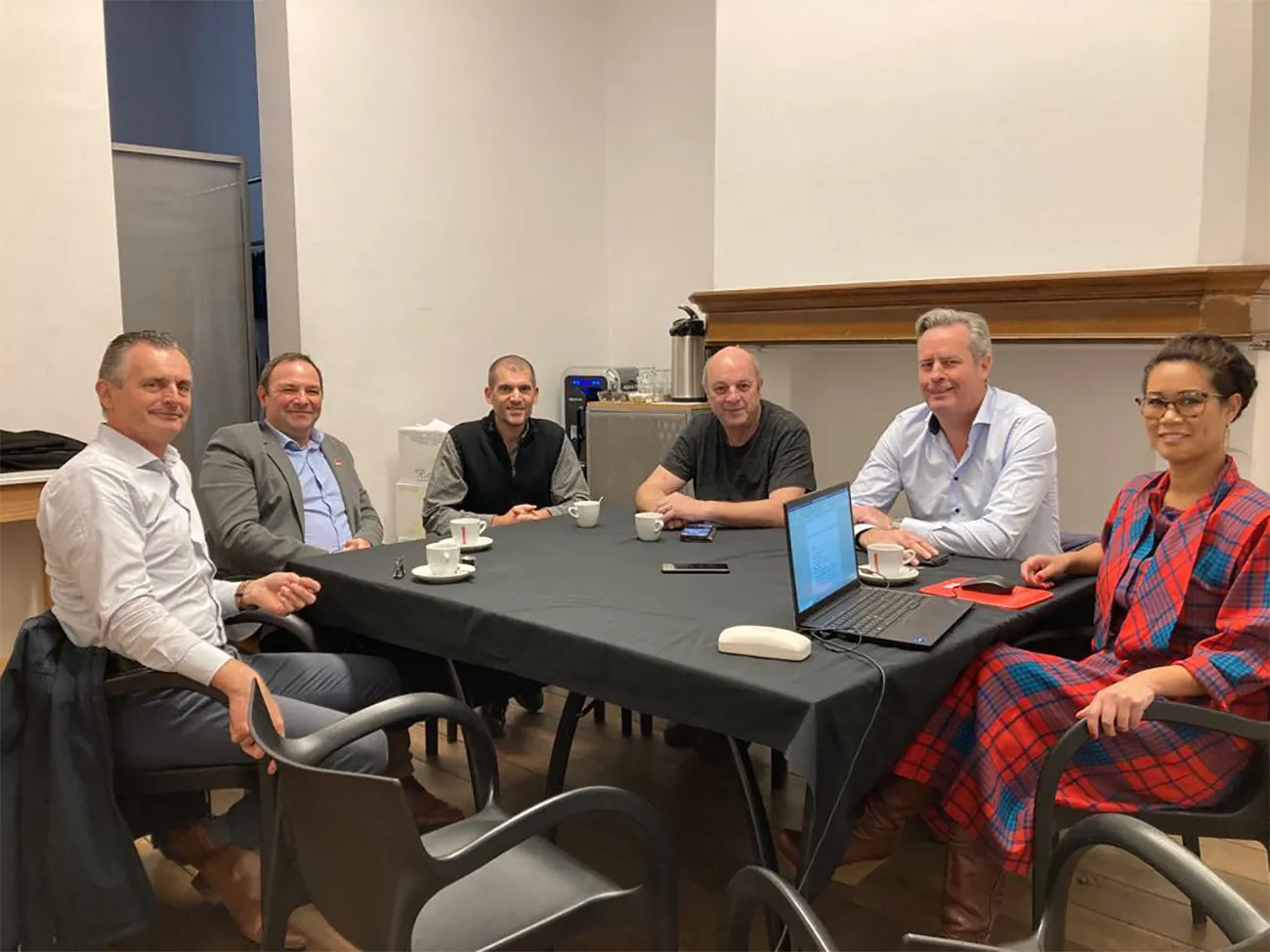
In September 2022, the team of experts who worked on the project came together to review it: Fluvius, Varda Relamping, SBE WeThink and B.E.G. Belgium. This will help ensure better coordination on future projects.
Karolien De Klippel from the Fashion Museum explains the challenges: “When you work in a museum, every object is a museum piece. It is therefore undesirable for dust and dirt to fall on valuable objects during the work. Everything has to be covered up or objects have to be removed. That is why we decided to carry out the installation work between two exhibitions.”
A museum is complex, that is a fact. For Marc Thewis of consultancy WeThink, this project was also a particular challenge: “It was not an easy site, there were many obstacles.” He points out that planning and timing had to be precise. “Everything had to be done within these two months.” Karolien De Klippel adds: “Yes, that’s right. Because we work in a museum context, special safety standards apply that do not apply in other buildings. For example, we cannot hand out keys to the building because of the valuable objects.”
Eddy Snauwaert of installation company Varda notes that good coordination and flexibility were especially important. “For this project, you had to think beyond its current use. The installation also needs to work for future exhibitions, and it has to be possible to set up individual lighting scenes. To get to grips with the complex conditions, we sometimes had to take three steps back during the work to achieve the right result.”
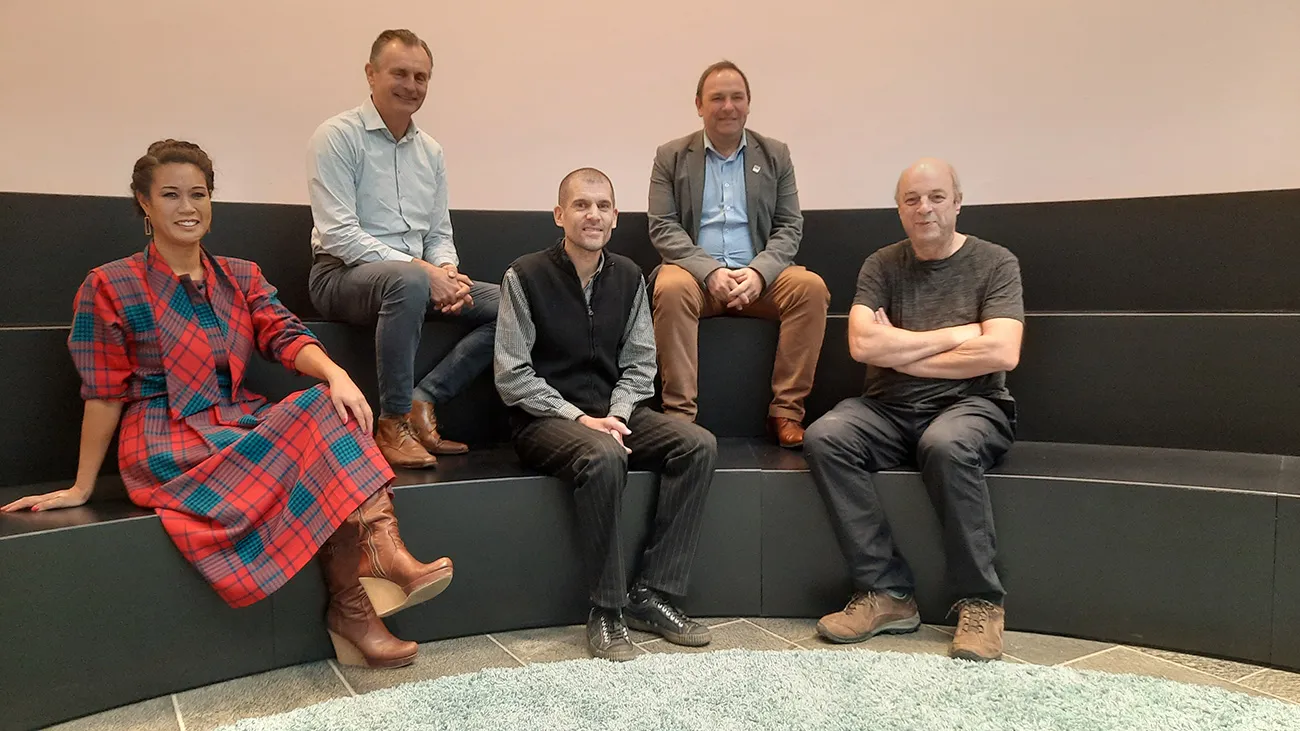
The team agrees that the collaboration was particularly successful. “We used high-quality luminaires for the equipment. Flickering would be extremely annoying. In a museum, it is immediately noticeable when professional photographs and films are made on site. Fine-tuning is also important for the control system. That is why we relied on the B.E.G. Belgium team. B.E.G.’s own DALI-LINK system enabled us to meet the requirements properly, and Werner Michiels came up with good solutions. It was a perfect fit.” Marc Thewis sums it up: “The City of Hasselt, as the museum’s operator, was interested in modern, flexible and energy-efficient lighting control that could be implemented with as little renovation work as possible. B.E.G. DALI-LINK makes it easy to integrate into buildings. It also allows several rooms to be configured systematically at the same time. At Hasselt Museum, B.E.G. DALI-LINK is used as a standalone solution via Bluetooth.”
Mery Ramakers, Marketing Manager at B.E.G. Belgium, confirms: “We are very proud to be involved in this special project. Competition is fierce. For projects of this kind, we stand out by responding individually to our customers’ needs. Werner Michiels is a DALI specialist on our team and worked on this project in person. You can always rely on him. He knows exactly what our products and software solutions can do, provides support from the planning stage and actively helps with the installation in the museum. We know that electricians have full order books and that fewer staff are available. That is why we have designed our lighting control apps to be efficient and user-friendly. In this particular case, we believe that our training will also make it easy for the City of Hasselt’s technical department to configure a lighting system. We are happy to continue supporting the project.”
Eddy Snauwaert says: “We installers also appreciated that the product could be installed in the same place as the spotlights. Originally, we wanted to mount the sensors on the ceiling. Then we decided to connect them directly to a contact point. By integrating DALI, we will be able to meet almost any requirements in the future.”
Ronny Thevis and Kris Dubois, who work for Fluvius, know the subject all too well. Ronny has worked in the energy sector for 25 years. “Climate change currently has a major influence on what we do. The Flemish government’s local energy and climate plan requires cities and municipalities to make consistent savings in energy and CO2 emissions,” says Ronny Thevis. “I follow all the projects in Limburg, Flemish Brabant and the Antwerp-Kempen region from the sidelines. The relationship between Fluvius and the City of Hasselt is an obvious one.” He praises his colleague Kris Dubois for the excellent results. Kris was the project coordinator responsible for the challenging project. He says that probably every team member contributed their expertise to the final result. Mery Ramakers also sees teamwork as the key to success.
Eddy Snauwaert concludes: “In the digital age, people think you can find everything on the internet. That is not always true. For me, this project shows how valuable the expertise and experience of individual team members are, and how enjoyable and results-driven working together on site can be.”
Een zakelijke vraag aan B.E.G. Belgium? Get in touch
Companies in this story

Keep following this
Get an email when a new story is published. No account needed.
- ThemeSmart building integration
- SubjectNews
- CompanyB.E.G. Belgium







