The latest trends in air conditioning
Text Kathleen FernyImage iStock
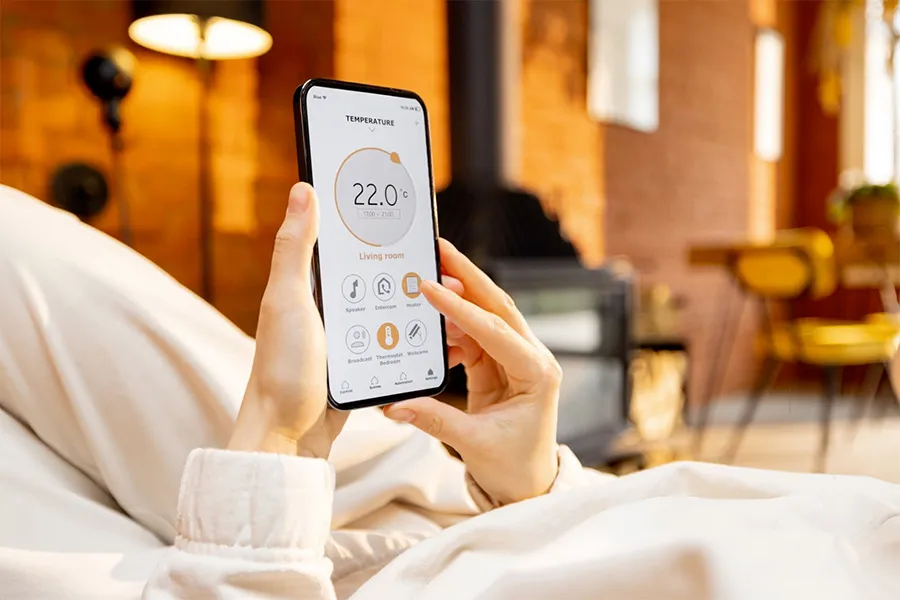
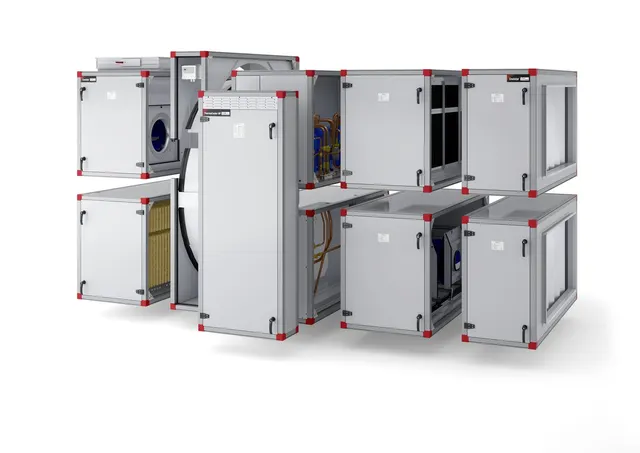
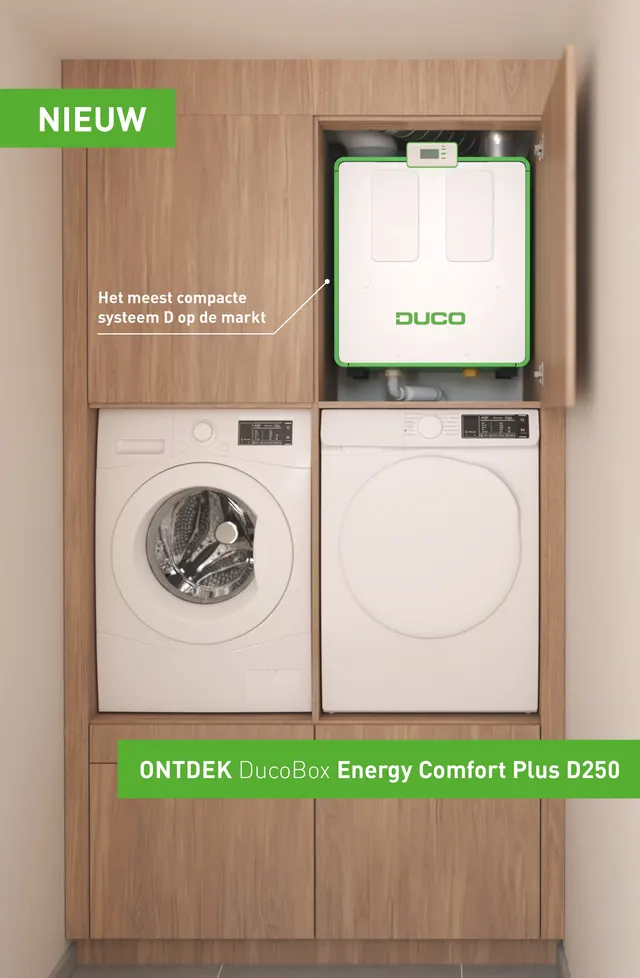
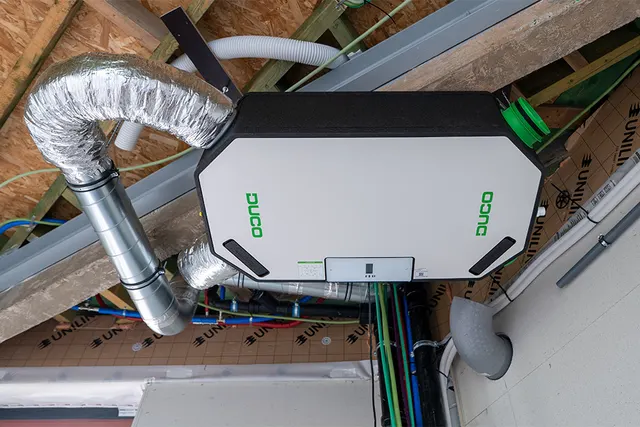
Climate change is affecting our indoor climate. This aspect is receiving considerable attention in both renovation and new-build projects. The aim is to create a pleasant, consistent indoor temperature in homes and workplaces. The latest trends in air-conditioning installations also place a strong focus on efficiency and lower carbon emissions.
Despite the progress made in recent years, the HVAC sector still faces major challenges in meeting the requirements for climate neutrality. Modern technologies such as heat pumps and geothermal systems are just a few examples of how the industry is adapting to improve energy efficiency and reduce CO2 emissions. It is also exploring alternatives to traditional refrigerants that have less impact on the environment.
The European Green Deal as a guiding principle
Europe must be climate-neutral by 2050. Yes, we can! The air-conditioning industry has already adapted considerably in recent years, and this trend is continuing to advance. The growing use of heat pumps, the heroes of decarbonisation, controlled by advanced heat management technologies, allows heat to be transferred precisely without significant carbon emissions. The reversible nature of this technology also means that cooling and heating can work hand in hand as required. An air conditioner is, in fact, an air-to-air heat pump. The latest heat pumps are becoming ever more energy-efficient.
Refrigerant often the culprit in air conditioning
One of the major environmental risks of air conditioning lies in the refrigerant used, which affects the environment in two ways: ozone depletion potential (ODP) and global warming potential (GWP). ODP indicates the extent to which a refrigerant damages the ozone layer, while GWP shows how much it contributes to global warming. It is therefore crucial to choose air-conditioning systems that use a refrigerant with low ODP and GWP values.
Switching to newer refrigerants is an important step towards more sustainable air-conditioning systems. The widely used R410A may have no ozone-depleting properties because it contains no chlorine, but it performs less well in terms of GWP (2088), meaning it still contributes significantly to the greenhouse effect. To make systems genuinely environmentally friendly, current models are increasingly using refrigerants such as R32, R454B, R1234yf and R1234ze.
These refrigerants have a low environmental impact. Some are compatible with existing air-conditioning systems, making it easier to switch to more sustainable options.
Predictive maintenance with IoT
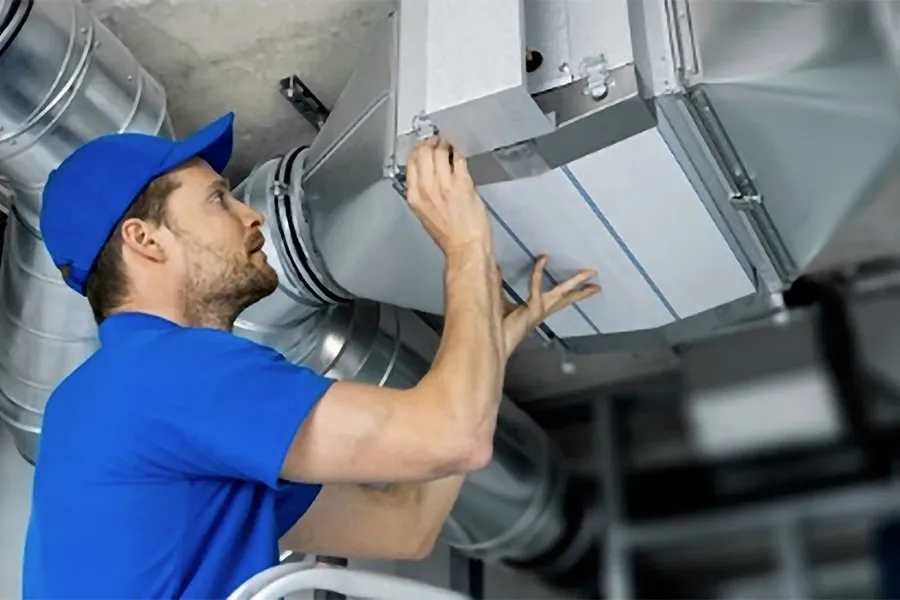
It is also important to make HVAC systems smarter. This is where the Internet of Things (IoT) comes in. It allows homeowners and building managers to monitor efficiency and capacity remotely, helping to improve energy efficiency and predict problems. Air conditioners need regular maintenance, including cleaning and flushing filters and removing dirt from the outdoor unit. An IoT sensor enables the unit to run self-diagnostics and, in the event of a fault, send an alert so that action can be taken and further problems prevented.
IoT-enabled air conditioners are connected to the internet and continuously send and receive data. This data can include weather forecasts, key information such as a company’s closing date, indoor temperatures and energy consumption. This constant stream of data allows the unit to analyse conditions in real time and adjust automatically to changing circumstances, without human intervention. Advanced features such as detecting how many people are present and adjusting the air distribution improve comfort and can cut electricity costs by 20% compared with conventional systems.
Recycling and circularity: working together for the environment
Installing the latest, most environmentally friendly air conditioners while failing to dispose of old systems responsibly would render environmental targets meaningless. Recycling is therefore an important process for reducing environmental impact and recovering valuable materials.
Tips & tricks for recycling air conditioners:
Refrigerant removal: older air conditioners in particular, containing chlorofluorocarbons (CFCs) or hydrochlorofluorocarbons (HCFCs), pose an environmental risk. These substances are powerful greenhouse gases and contribute to ozone depletion. During recycling, these refrigerants must therefore be carefully removed and handled correctly in accordance with regulations.
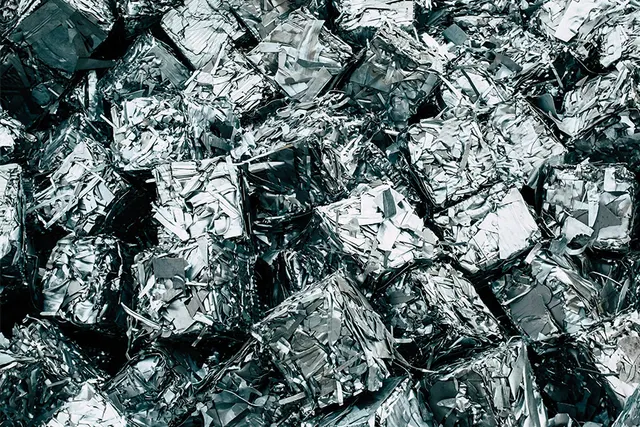
Metal recycling: air conditioners contain a range of metals, including copper, aluminium, steel and sometimes precious metals. These can be effectively recovered and reused in new products. Recycling metals saves considerable energy compared with producing new metals from ore.
Processing electronic components: modern air conditioners contain electronic control systems and sensors. These components also contain valuable metals such as gold, silver and palladium, which can be recovered. Other electronic parts must be processed in line with e-waste recycling standards to prevent hazardous substances such as lead and mercury from entering the environment.
Disposal of oils and other fluids: lubricants and oils in air conditioners must be disposed of and handled in a way that prevents them from entering the soil or water.
Use of recycled materials: air-conditioner components are ideally suited to a wide range of new applications, helping to reduce demand for virgin raw materials and supporting the circular economy.
Question about this story? Ask your question
Keep following this
Get an email when a new story is published. No account needed.
- SubjectAir handling