Humidification: an indispensable ally in the quest for a healthy indoor climate
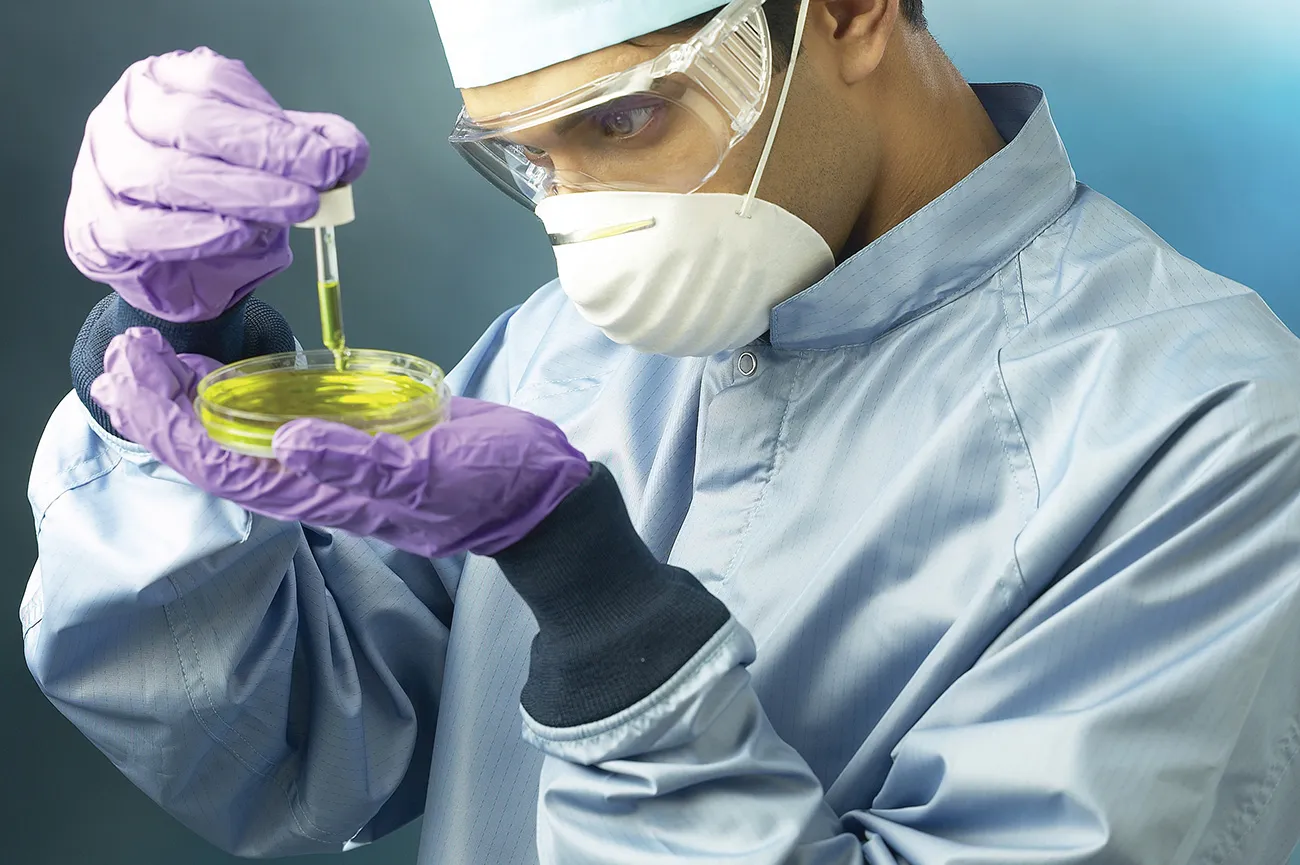
Humidity in buildings has always been important, but because you cannot see with the naked eye whether humidity levels are good or poor, the issue was sometimes swept under the carpet in the past. New societal trends, such as coronavirus, are changing that. Specialist DriSteem has a solution for every situation and can meet a wide range of requirements, whether in terms of hygiene, sustainability or cost.
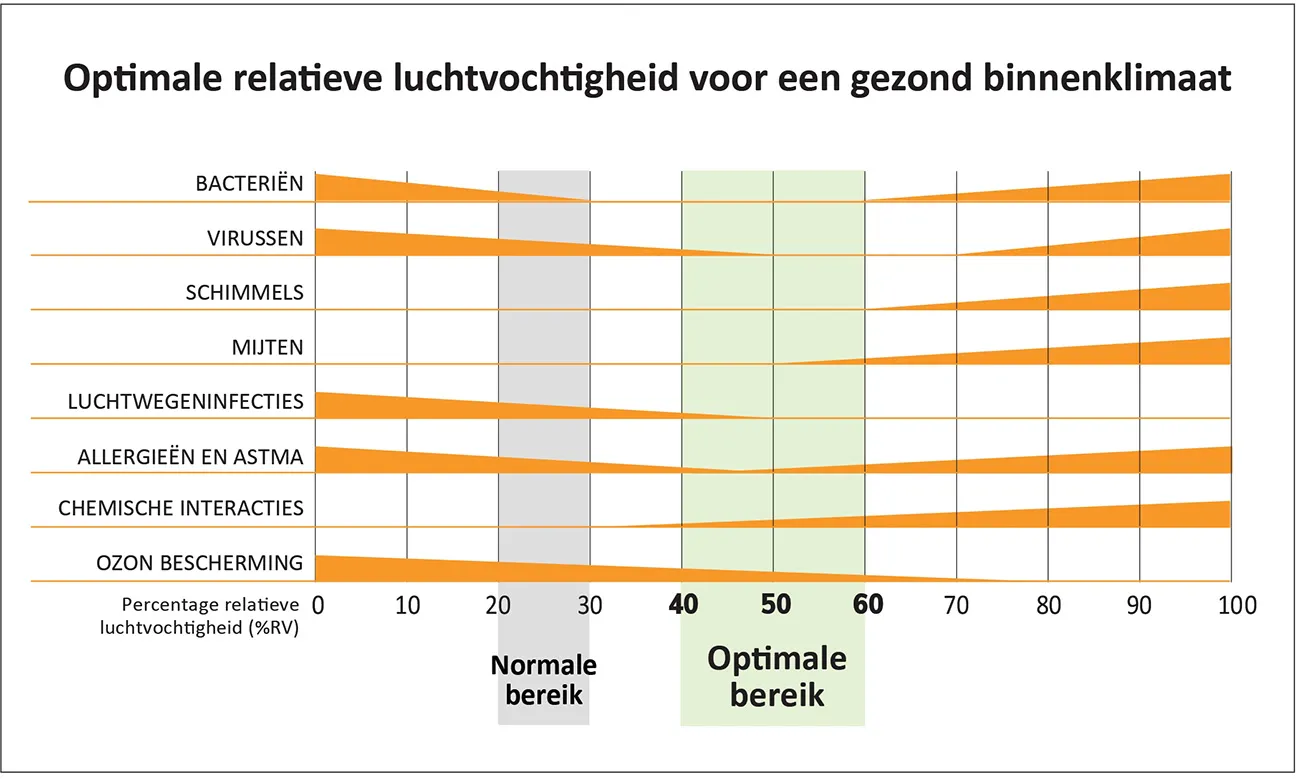
Humidification is now an issue that the construction sector can no longer ignore. Coronavirus brought the facts home to us, and the rules have also changed: the Codex on Well-being at Work stipulates that humidity levels in office buildings must be between 40 and 60 per cent, whereas the previous range was 30 to 70 per cent. But humidification involves much more than simply buying or selling a unit. It is a specialised field, says Marc Briers, managing director of DriSteem Belgium. “That is why we focus so strongly on providing services to our customers. We can support both engineering consultancies and installers with solutions tailored to their needs. We aim to provide at least one training session a week.”
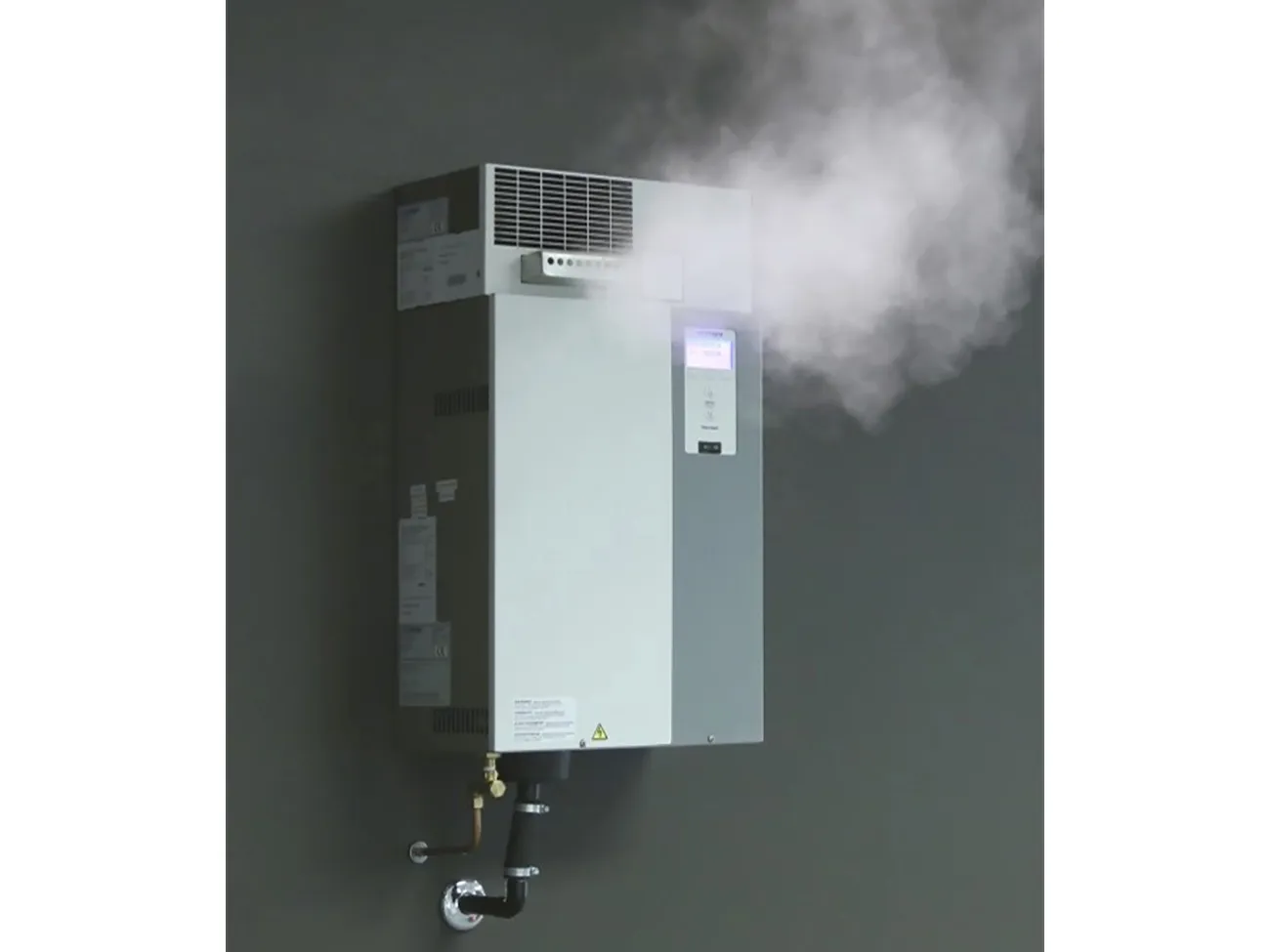
Since the outbreak of the coronavirus crisis, it has been clear that indoor air quality matters, but there is still work to be done to spread awareness. Marc Briers: “We still see the focus very often being placed on ventilation, without any mention of humidification. Ventilation is of course extremely important for keeping CO2 levels under control, but what is far less widely understood is that when you ventilate a building extensively, the indoor air dries out more quickly, making it especially important to ensure adequate humidification. Ventilation alone is therefore not enough to prevent the spread of viruses.”
A wide range of options
New market trends are also having a major impact, Briers continues. “Now that gas and electricity prices are soaring, our challenge is to find the most cost-effective way to improve humidity levels in a space. That is why we offer our customers a choice of different humidification technologies, from steam humidification to adiabatic solutions. Other considerations also come into play, such as the desire to humidify with a neutral carbon footprint. Steam is always the most effective choice in terms of hygiene, as steam is sterile by definition, but there are plenty of alternatives that also achieve the desired result. The DriSteem range really does offer an answer to every problem.”
The choice of technology or humidifier type is not the only consideration. Numerous other factors also play a part, including the water quality in the region concerned. That is why DriSteem also includes water treatment in its offering in areas with hard water. This too demonstrates DriSteem’s versatility in its commitment to maintaining the right humidity levels, wherever and whenever they are needed.
‘People have had their eyes opened’
Marc Briers expects a healthy indoor climate to attract even more attention in the future. Humidity is inextricably linked to it. “CO2 meters have opened people’s eyes. The volume of air ventilated in buildings will only increase in the future, as standards become ever stricter. If we are truly serious about maintaining indoor air quality, humidification will inevitably have to keep pace,” Briers concludes.
Een zakelijke vraag aan Dristeem Belgium? Get in touch
Companies in this story
Keep following this
Get an email when a new story is published. No account needed.
- ThemeHealthy air and summer comfort
- SubjectAir handling
- CompanyDristeem Belgium