5 tips you can give customers as a mechanical ventilation installer
Text DUCO en Wouter PolspoelImage DUCO

Mechanical ventilation installers will no doubt recognise the situation: you’re working on site when the customer bombards you with questions, including how their new ventilation system works and how to use it as efficiently as possible. In this article, ventilation specialist DUCO provides a ready-made answer to all those questions: five tips you can give customers to help them ventilate their homes efficiently.
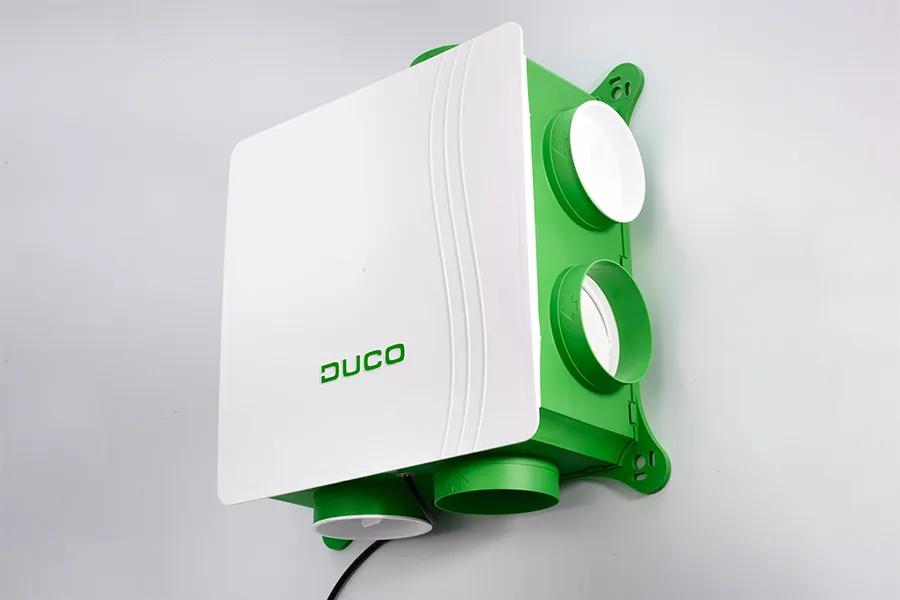
Tip 1: embrace continuous ventilation
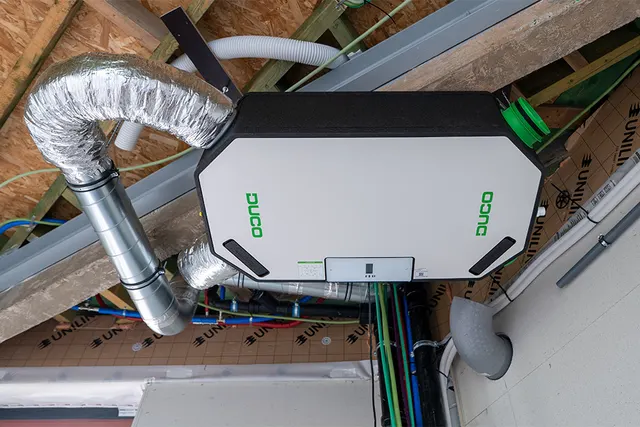
Mechanical ventilation systems remove moist and polluted air from the home using integrated electric fans and supply fresh air through air inlets in walls or windows, or mechanically. They do this continuously. Unlike intermittent solutions such as opening a window, mechanical ventilation ensures a constant supply of fresh air, preventing the build-up of moisture, which can lead to mould, and odours. Embrace continuous ventilation and choose a ventilation system with a humidity sensor that automatically adjusts its output when activities such as cooking or showering increase indoor humidity.
Tip 2: choose the right system
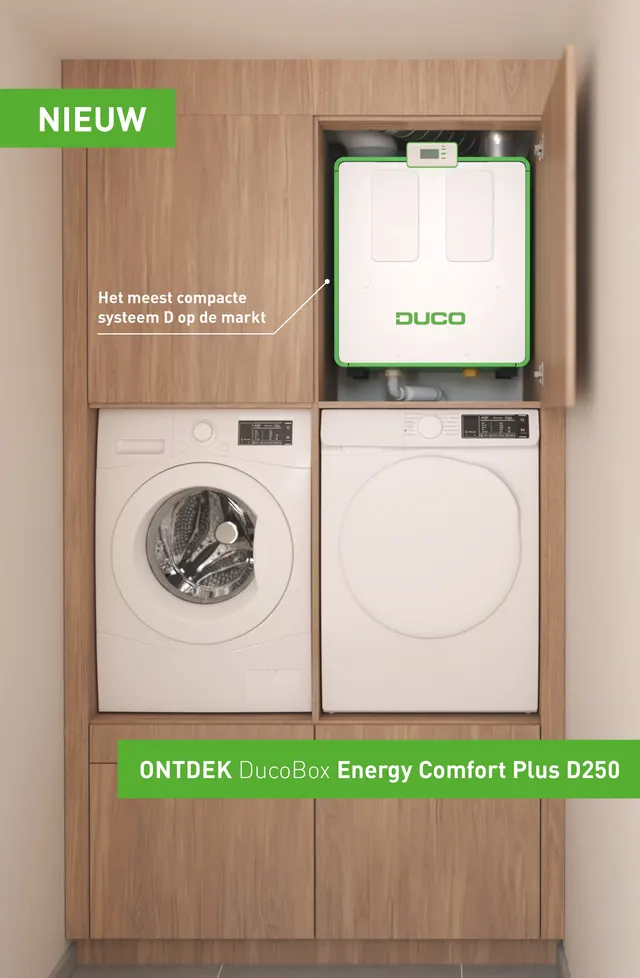
There are two main types of mechanical ventilation system: System D, with mechanical supply and extract, known as balanced ventilation, and the option of investing extra in heat recovery, which recovers much of the heat from extracted air to preheat incoming air during colder seasons; and System C, with mechanical extraction and natural air supply through air inlets in walls or windows. Choose the right system to suit the circumstances, your requirements and your budget. System D is generally the more expensive option. However, any additional investment in heat recovery will be offset over time by lower energy consumption.
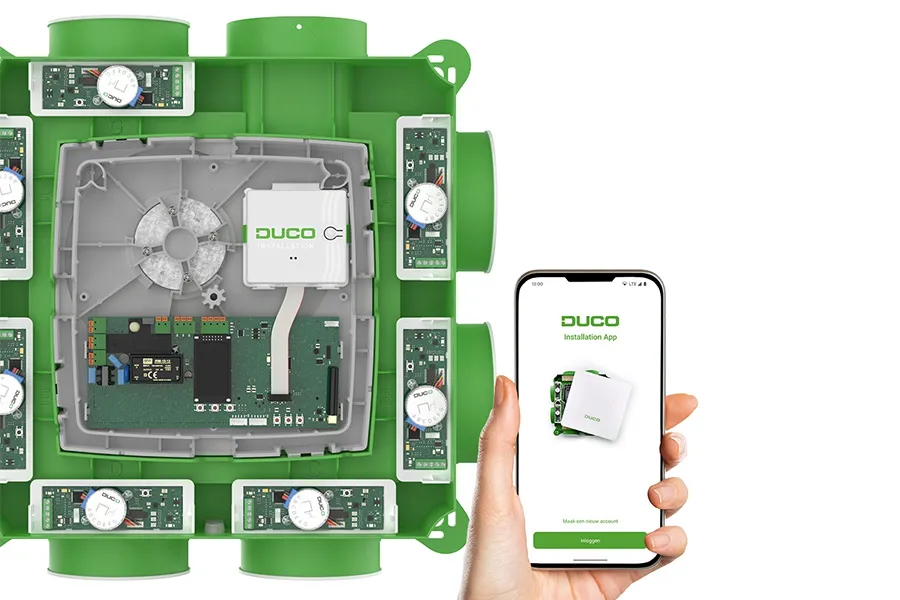
Tip 3: consider zonal ventilation for targeted air renewal
Mechanical ventilation can also operate by zone. Zonal ventilation systems optimise energy use by dividing the home into different zones, unlike conventional ventilation, which treats the entire home as a single zone. Using humidity and CO2 sensors, they ventilate only where needed, in other words, where people are present. Zonal ventilation requires an additional investment, but this too pays off over time thanks to its greater energy efficiency. If you want ventilation only where it is needed, zonal ventilation is the obvious choice.
Tip 4: optimise ventilation settings
To maximise the efficiency of your mechanical ventilation system, it is best to familiarise yourself with its settings. Also make sure the unit is suitable for your living space and operates at the recommended airflow rates. Clean and maintain the ventilation system regularly to prevent dust and dirt from building up, as this can impair its performance.
Tip 5: learn about energy efficiency
Understanding the energy efficiency of your chosen ventilation system is crucial. Mechanical ventilation, whether or not it includes heat recovery, minimises energy consumption. Unlike natural ventilation, where windows and air vents are often left open, leading to uncontrolled heat loss, mechanical ventilation provides a controlled supply and extract of air, significantly limiting heat loss. This not only benefits your budget, but also contributes to a sustainable and environmentally friendly living environment.
Conclusion: investing in a reliable mechanical ventilation system is a practical, cost-effective way to maintain a healthy indoor climate, including in humid rooms. By embracing continuous (zonal) ventilation, choosing the right system, optimising the settings on your ventilation unit and recognising the value of energy efficiency, you can ensure a comfortable, moisture-free home.
Have a business enquiry for DUCO? Get in touch
Companies in this story

Keep following this
Get an email when a new story is published. No account needed.
- ThemeHealthy air and summer comfort
- SubjectAir handling
- CompanyDUCO