











After lockdown, watch out for Legionella
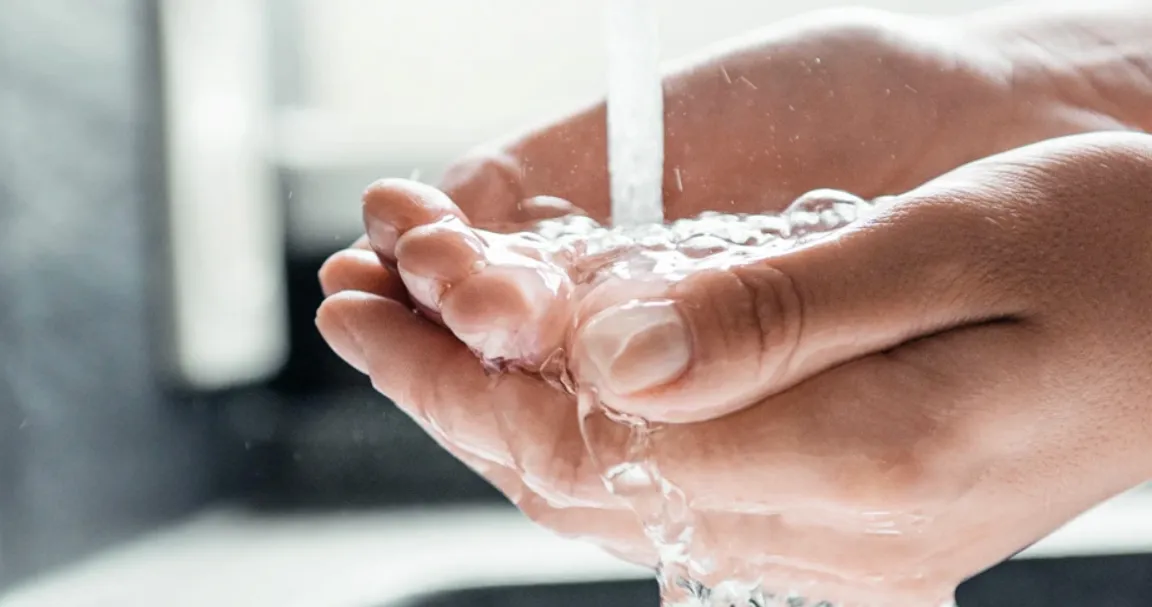
Viega and WTCB: safe drinking water in hospitality venues and sports centres when they reopen.
Imagine being allowed to reopen your business on 8 May, only to have to close again straight away because Legionella bacteria have found their way into your pipes during lockdown. As a leading specialist in drinking water quality and sanitary installations, Viega is helping hospitality venues and sports centres get back up and running safely. But of course, prevention is better than cure, especially in the healthcare sector. And that is only possible with an integrated approach and a sound management plan, as WTCB also confirms.
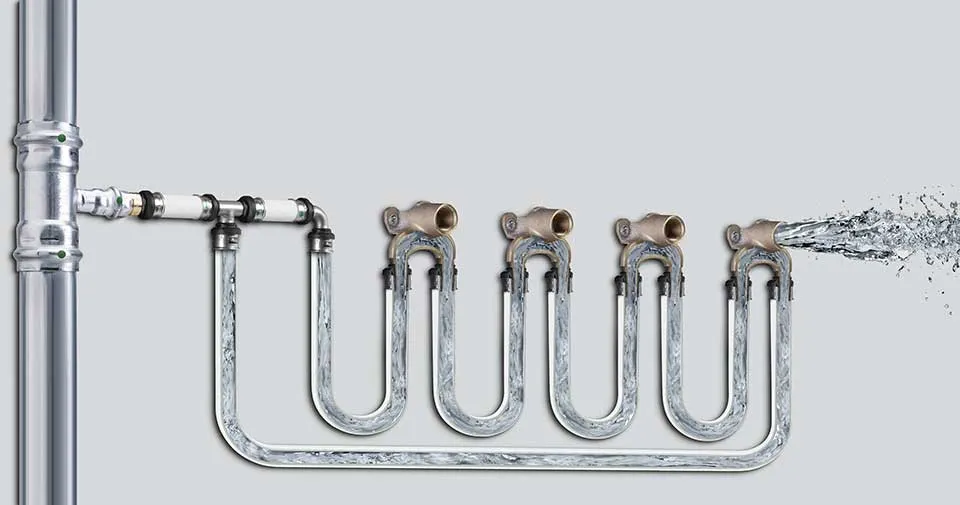
“Water that stands still in pipes for a while absorbs substances from the pipework. These can include lead, iron, zinc, nickel or copper. In addition, stagnant water causes a biofilm to form on the inside of the pipe, providing an ideal breeding ground for bacteria. The best known is, of course, Legionella bacteria”, says Jo Devos, marketing manager at Viega. “Other factors that encourage growth include stagnant water, such as in dead legs or little-used outlets, and limescale build-up.”
Rule number 1 when reopening: flush, flush and flush again. Flush every outlet, using both hot and cold water. If there is a risk of contamination (in both PWC (potable water cold) and PWH (potable water hot) systems), water at 70°C for 4 minutes will achieve thermal disinfection. Make sure the outlets are not used during this process to prevent scalding.
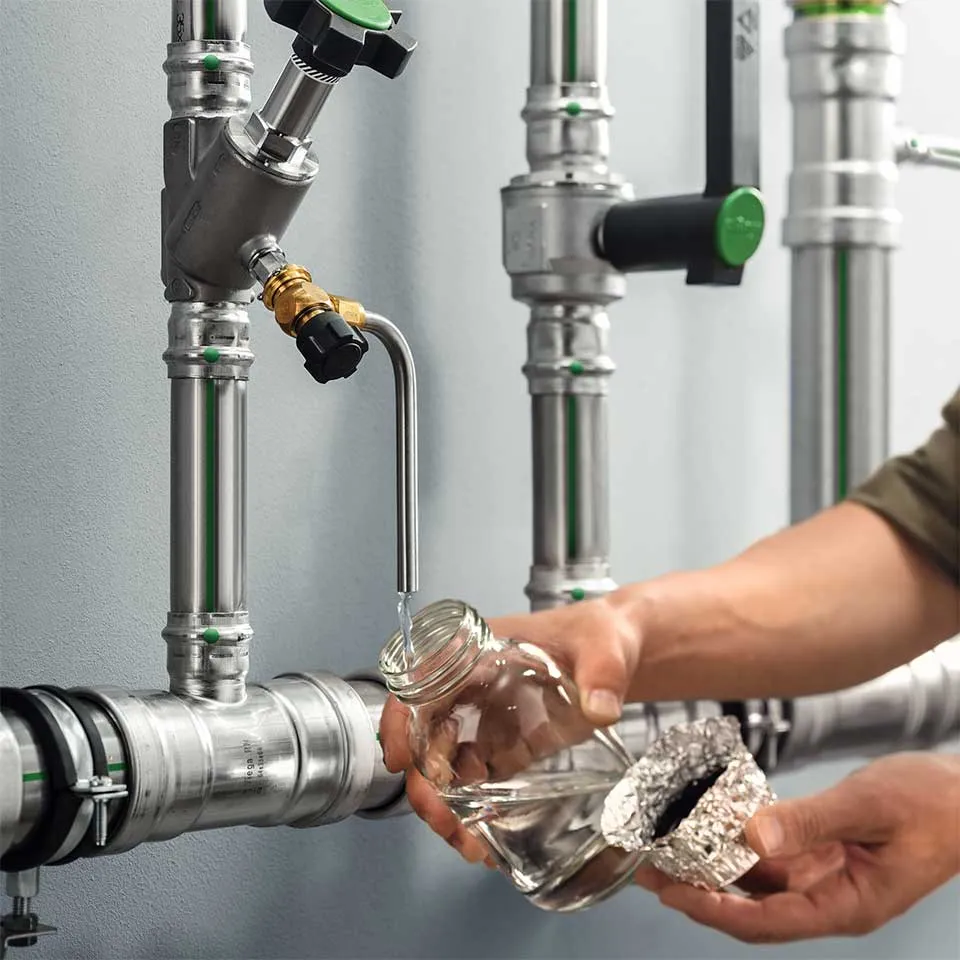
You can then prepare the installation for normal use again, for example by lowering the domestic hot water (DHW) production temperature to the usual setting, but to at least 60°C. After reopening, it is best to take at least one Legionella sample from the cold water and one from the DHW to ensure that any Legionella pneumophila concentrations are below 1000 CFU/l.
What is Legionella?
Legionella pneumophila is a bacterium found in various water systems, including drinking water systems. Harmless in small numbers, it can multiply very rapidly under the right conditions. Infection can cause a flu-like illness or even pneumonia (legionellosis). It is not caught by drinking the water, but by inhaling the bacteria in very small droplets of atomised water (aerosols), for example while showering. The optimum growth temperature is between 25 °C and 45 °C (think of the garden hose in summer!).
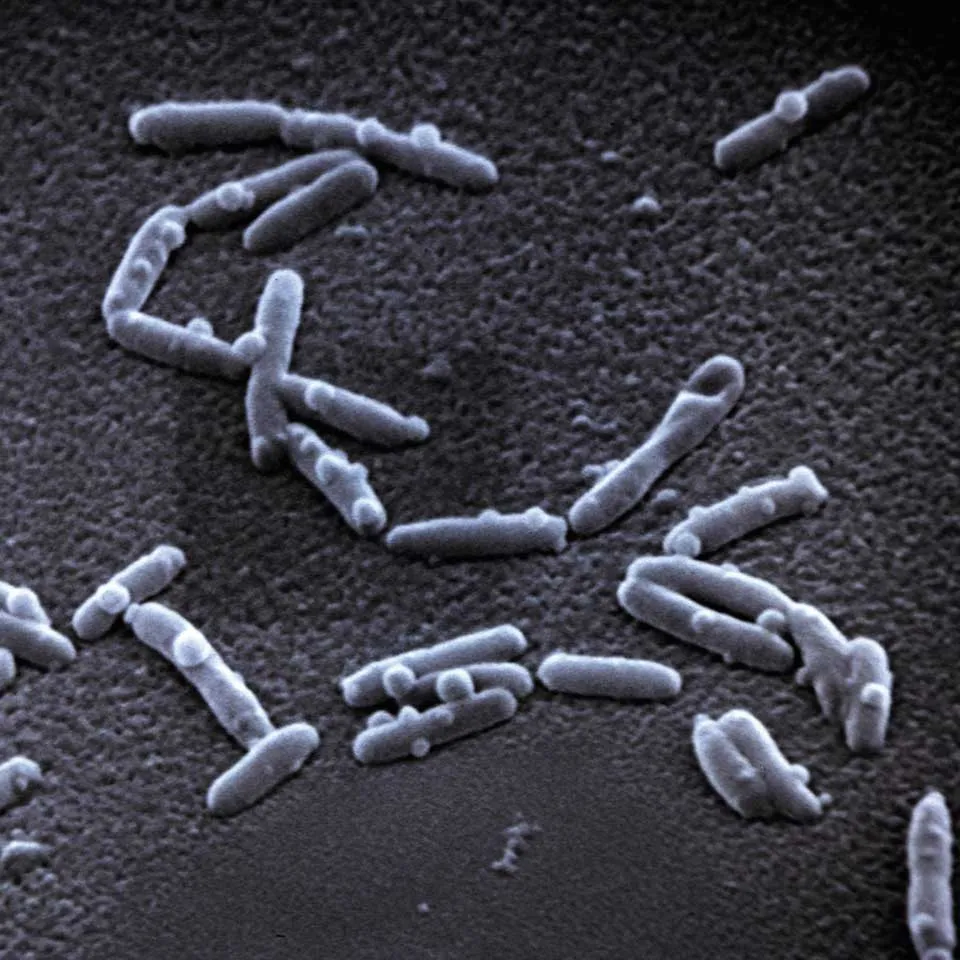
Is Legionella dangerous? Not for most healthy people who are not elderly. Even so, an estimated 3,000 people die from Legionella in Europe each year. Many more suffer lasting damage. Karla Dinne, Head of the Microbiology and Health Laboratory at WTCB: “Especially at a time when Covid is dominating our lives, we must not forget about Legionella. Together with the Agency for Care and Health, we drew up guidelines after the first lockdown for a safe reopening tailored to various sectors. They remain applicable and can be found on the website.”
The main danger posed by Legionella is the risk of a local outbreak. Karla Dinne: “You can prevent this by strictly following a well-developed management plan. For obvious reasons, preventing a Legionella outbreak is a priority, especially in the healthcare sector. It is very important for the government, WTCB and sanitaryware manufacturers to work closely together and make their knowledge available to the sector.”
A management plan is key
When it comes to drinking water quality, Viega is the sector’s leading authority and competence leader. High-quality tap water is essential in hospitality and healthcare, as well as in sports centre showers. Prevention is primarily a matter of taking a preventive, integrated management approach. Automatic flushing at regular intervals prevents water from going without renewal for long periods, which can cause the temperature in the pipe to rise to a critical level. Ultimately, the key is to follow the precautionary principle and implement a hygiene management plan.
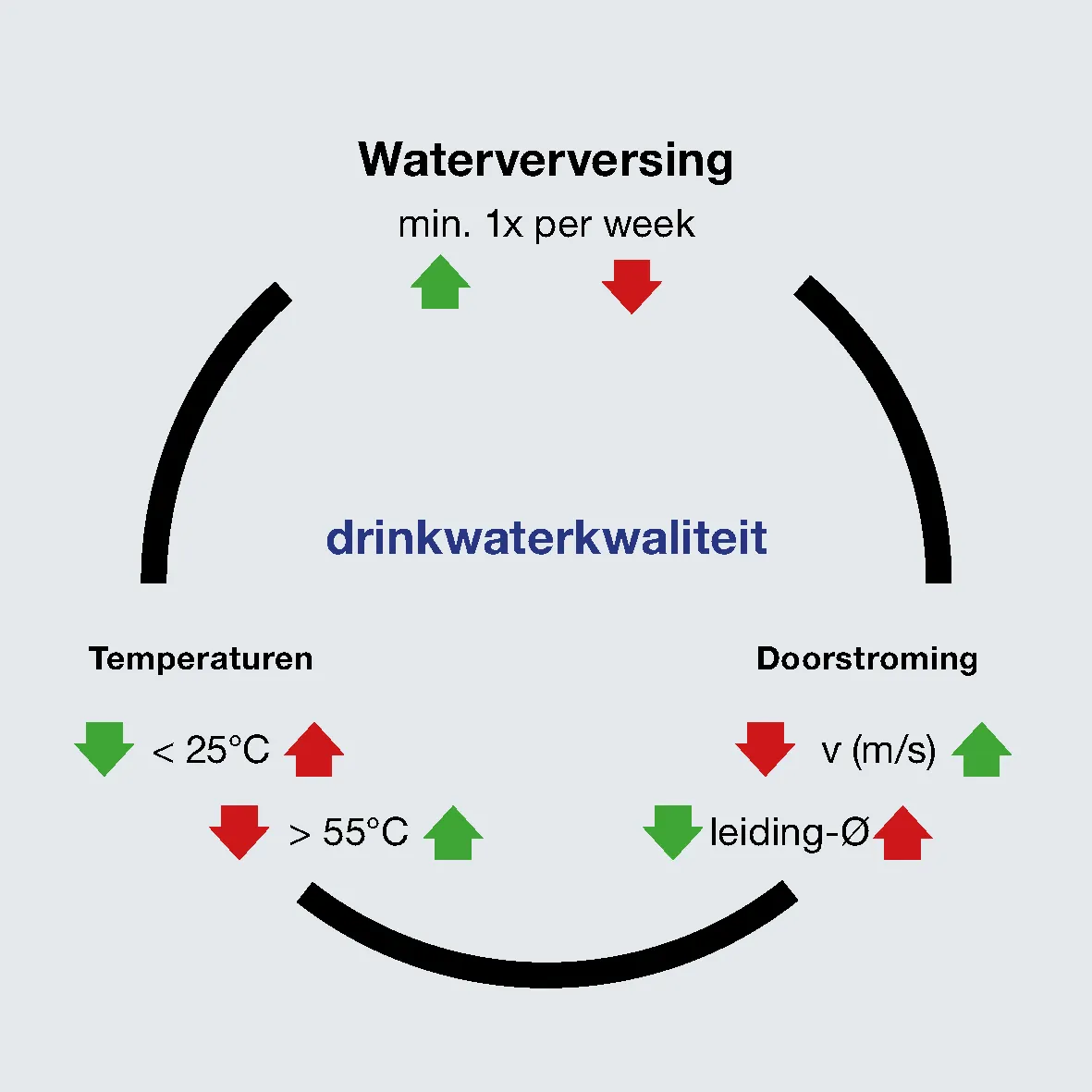
Water renewal, water temperature and flow are the three key factors in the design of the installation. To limit bacterial growth, the water temperature must remain below 25°C in the PWC system or above 55°C in the PWH system throughout the installation. “Drinking water can also stagnate if flow is insufficient, for example because the pipe diameter is too large or pressure losses occur. Finally, regular sampling and testing are necessary, along with thermal disinfection if required. At Viega, we look at the entire drinking water quality chain: design, materials, transport, storage, pressure losses, temperature and so on,” concludes Jo Devos.
Een zakelijke vraag aan Viega? Get in touch
Companies in this story
Keep following this
Get an email when a new story is published. No account needed.
- ThemeSafe and efficient water use
- SubjectNews
- CompanyViega







