











1 in 2 Belgians avoid using the toilet when out and about

Toilet anxiety often starts at school and can have lifelong consequences
Geberit, the European market leader in sanitary solutions, has revealed an uncomfortable truth in a large-scale iVOX survey of 2,000 Belgians: half of Belgians find it difficult to ‘go’ when away from home. For a large proportion of them (61%), this has a significant impact on their social lives. Toilet anxiety is therefore not something to be taken lightly. Gastroenterologists Prof. Dr. Danny De Looze (UZ Gent) and Dr. Magali Surmont (UZ Brussel) put the figures into context. Geberit hopes these insights will help improve sanitary facilities in schools and public spaces.
Half of Belgians (51%) say they find it difficult to ‘go’ when away from home. More than 7 in 10 Belgians even have a problem using public toilets in town (75%) or at public transport facilities (73%). (Semi-)public toilets in shopping centres (65%) and petrol stations (67%) also score poorly. 52% find it difficult to go in a pub, 45% at friends’ homes and 36% at family members’ homes. And almost 2 in 5 Belgians (39%) feel uncomfortable going at work.
The figures do not surprise the medical experts, but they consider the findings important. Prof. Dr. Danny De Looze (UZ Gent): “This is an interesting and relevant study because it covers a large group of 2,000 people. We of course have data on our patient group, but this gives us a picture of behaviour across the wider population. The significant impact on social lives is striking and merits further research.”
More than 3 in 10 (31%) only go when they really have no other choice. Just a third (32%) respond as soon as nature calls. And that is the only right approach, stresses Dr. De Looze: “It will not give you any dangerous diseases, but holding it in can lead to constipation, abdominal pain and bloating. The rectum becomes less active, causing stools to become harder and continue to build up. This means you strain more, which can in turn aggravate problems such as painful haemorrhoids and fissures.”
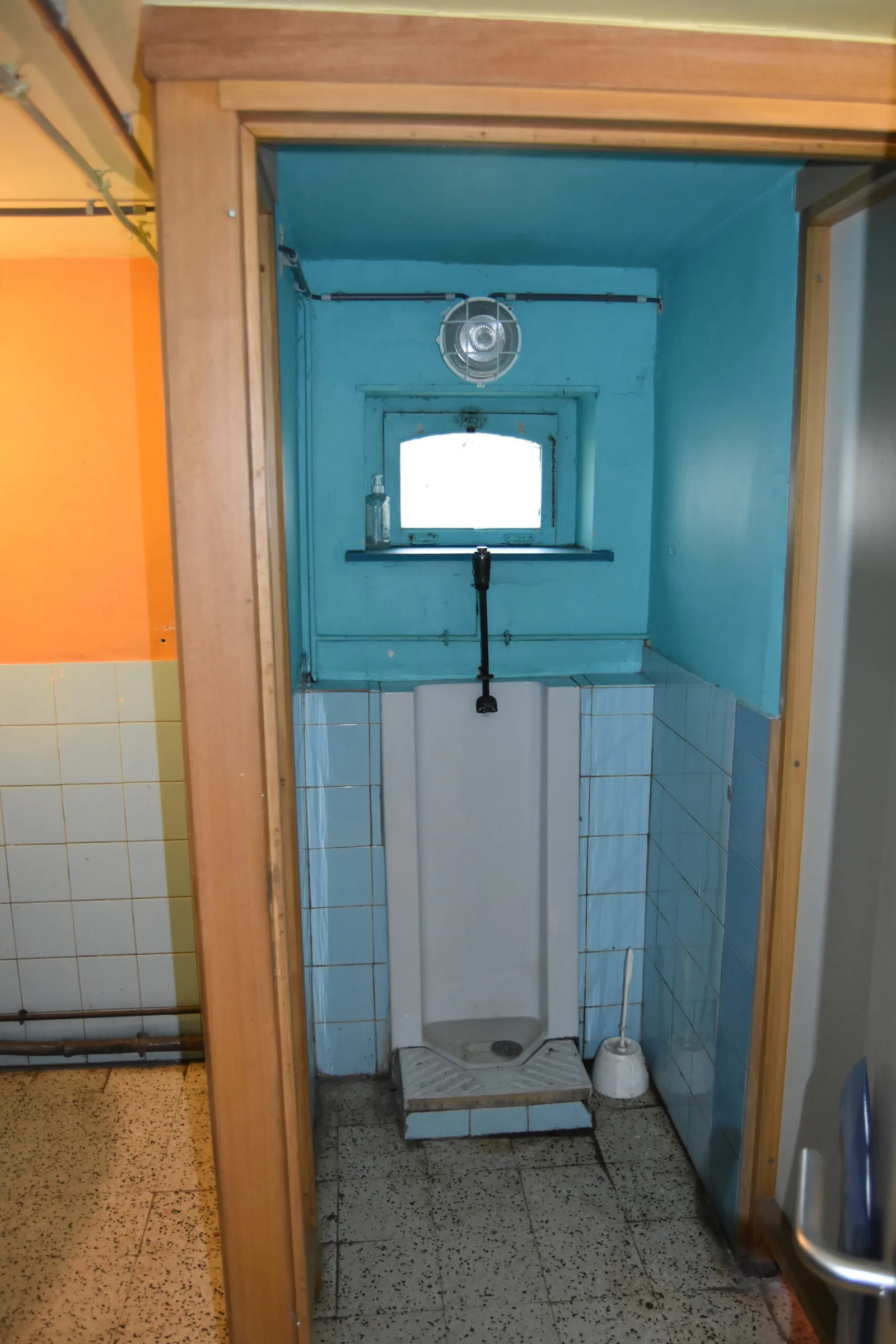
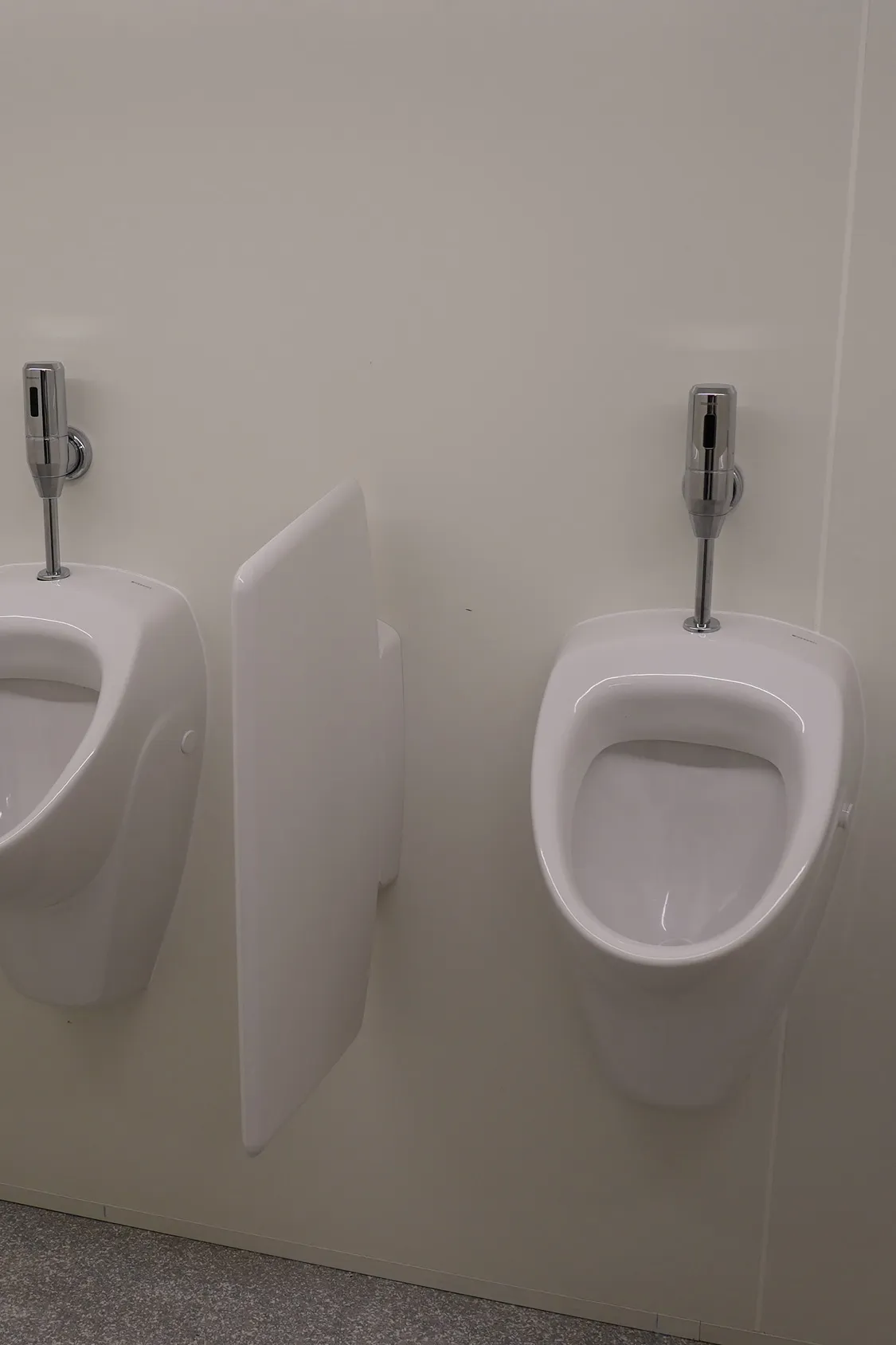
Toilet anxiety
Why all the embarrassment about going to the toilet? Hygiene is the biggest barrier: 7 in 10 Belgians (69%) do not consider toilets outside the home clean enough. This is even more often a problem for women (77% vs. 59% of men). A third (34%) simply feel safer at home, and just as many (32%) say they cannot relax in an unfamiliar toilet.
Embarrassment and stress also play a major role. Three-quarters (74%) feel anxious about using the toilet when other people are waiting outside, and almost two-thirds (63%) are embarrassed by sounds or smells. For 23%, the fear of not being able to find a toilet is also a source of stress. The result is that many people hold it in for longer than is considered healthy.
Dr. Magali Surmont (UZ Brussel) confirms that this is one of the most underestimated habits: “Holding it in is undoubtedly one of the underlying mechanisms behind bowel problems in adulthood. The more often you put off going to the toilet, the more you train your body to ignore the signals telling you that you need to go. This creates a vicious cycle.”
Impact on everyday life
Toilet anxiety has a direct impact on the social lives of a fairly large group of people. No less than 6 in 10 Belgians (61%) who experience it, a considerable proportion, say it affects their activities outside the home. A day’s shopping (33%), going for a walk (34%) or taking public transport (32%) all become more difficult when the fear of not finding a toilet takes over.
According to Dr. Surmont, this has real consequences: “We see people literally going out less because of toilet anxiety. This has both a physical and a mental impact. Another factor is that, in Western culture, going for a poo is very much considered a private matter. We should demystify it, because it is a taboo without reason.”
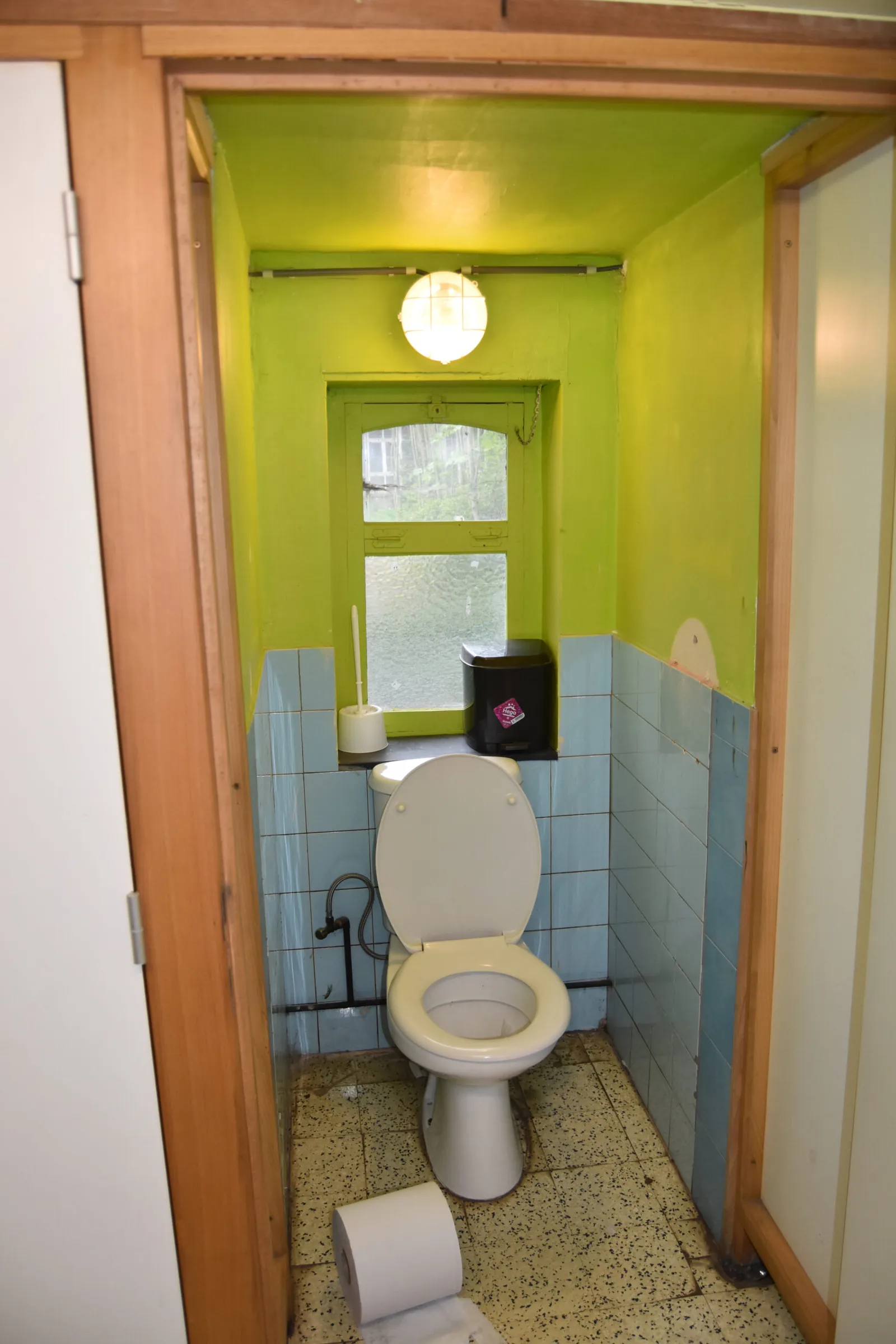
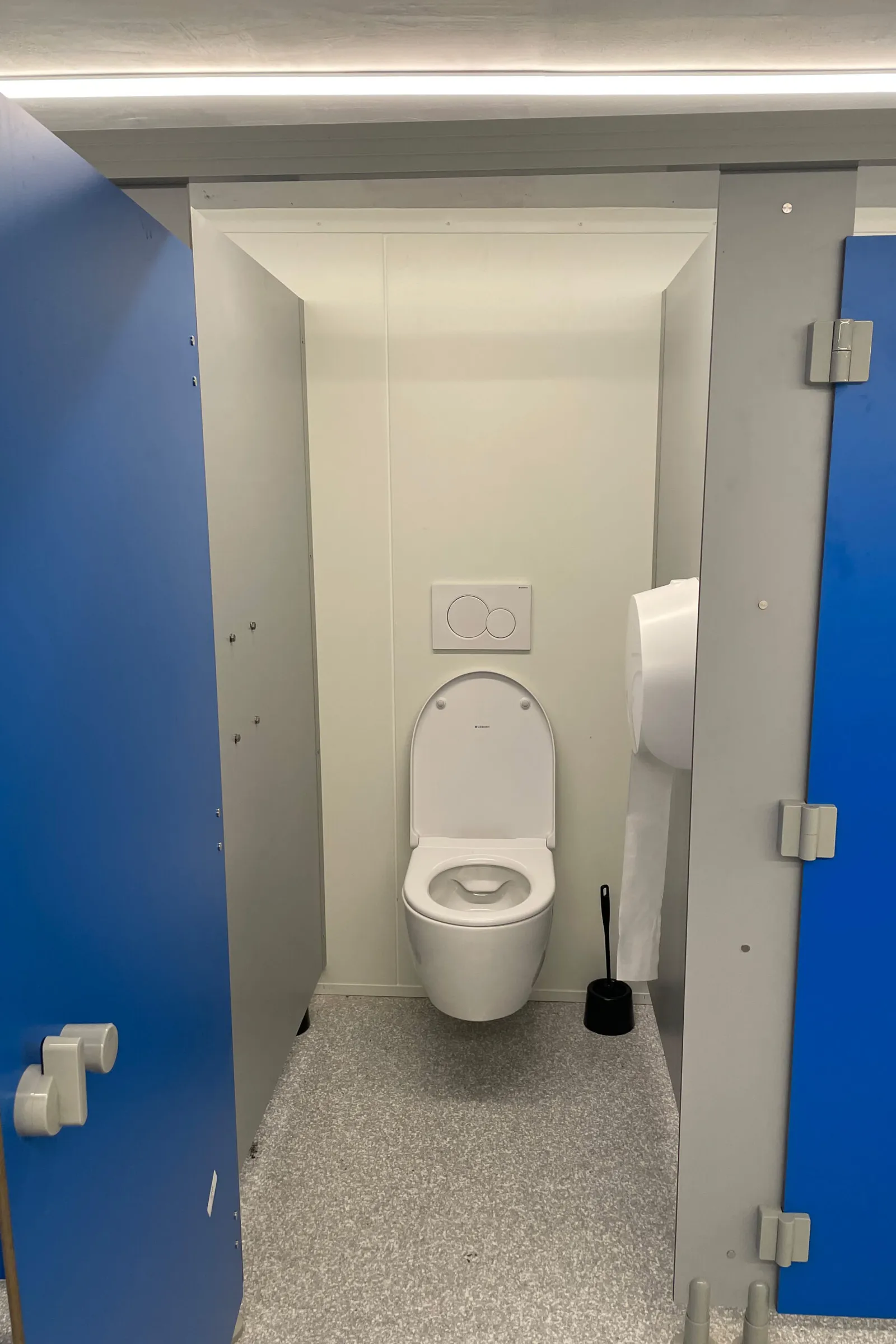
Toilet anxiety takes root at school
The problem often begins at a young age. More than half of those who now find it difficult to use a toilet away from home (55%) trace the problem back to their school years. Twelve per cent (12%) remember it starting as early as nursery school, almost a quarter (23%) since primary school and a further one in five (20%) since secondary school.
The causes are familiar: poorly maintained toilet facilities (67%), a lack of privacy (46%) or essential supplies such as toilet paper (41%), outdated facilities (40%), bullying (9%) by fellow pupils or teachers’ attitudes (7%). Few children feel truly comfortable using their school’s toilets.
An earlier iVOX study from 2022 confirmed this trend: 7 in 10 pupils sometimes hold it in to avoid using the toilet at school, and 2 in 5 parents consider school toilet facilities a health risk. Both parents and teachers are calling for clear standards and annual inspections.
Prof. Dr. De Looze says the importance of decent school toilet facilities is clear: “Cleanliness, privacy and ease of use are crucial. You need to be able to go ‘in comfort’, in an enclosed space. It is understandable that children want to go during lessons, because the toilets are quieter then. This should certainly not be prohibited in primary school. Minimum standards for school toilet facilities are also worth considering.” At present, there are only general ‘recommendations’. As a result, toilet facilities often come last when school budgets are drawn up.
Dr. Surmont sees the consequences in her practice: “We see a lot of constipation in children, and around a quarter continue to have problems with it later in life. Suitable or adaptable toilet facilities are especially important for young children, as is teaching them good toilet habits. This is where the seeds of later problems are sown. China is a good example in this respect: children there are taught from an early age to listen to their bodies, and visual resources are used to make bowel movements a topic they can talk about.”
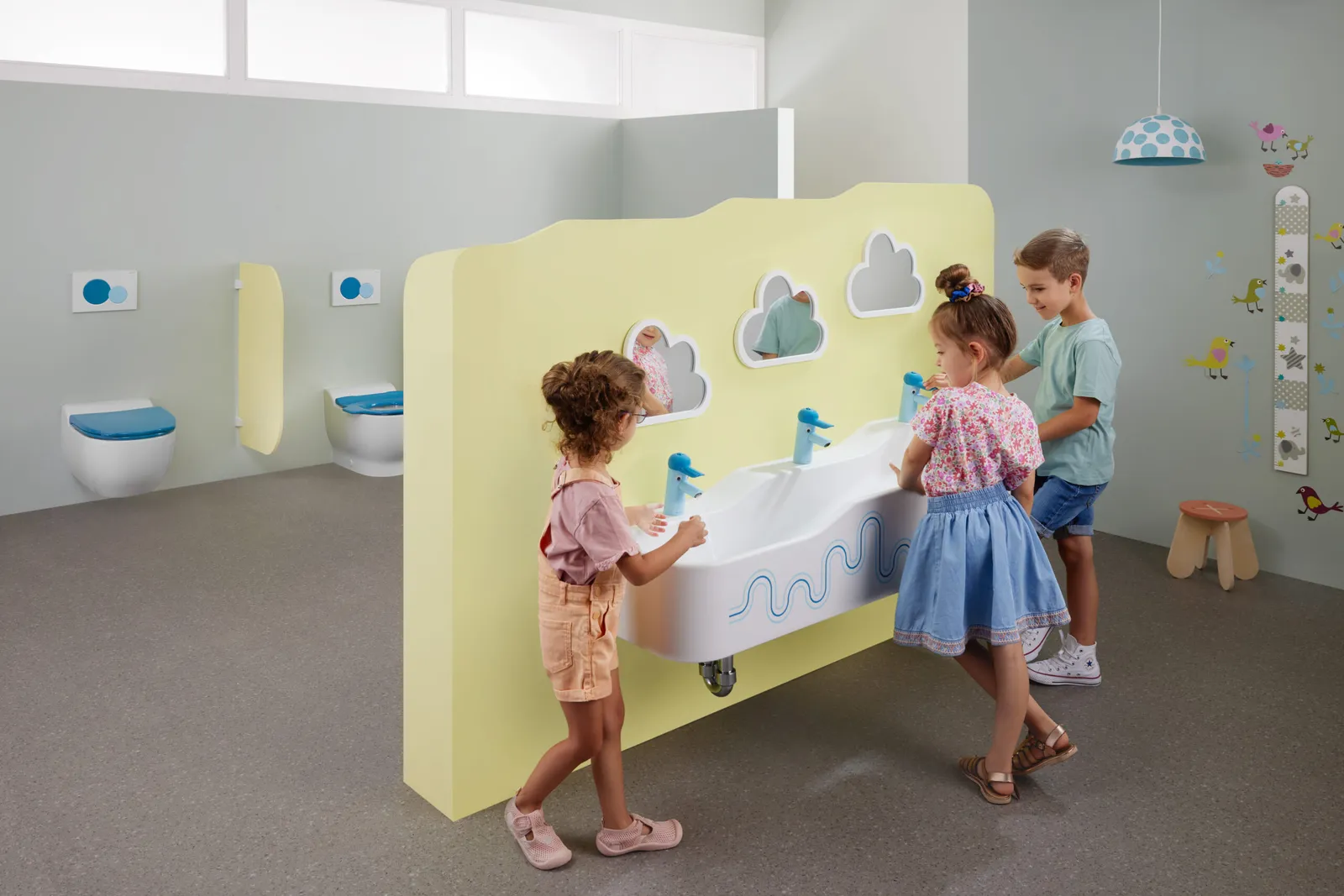
Geberit is actively working to improve the situation with solutions such as Geberit Bambini, a range developed specifically for child-friendly toilet facilities. Bambini offers ergonomic, hygienic and colourful solutions that encourage children to use the toilet independently, safely and comfortably. This is an important step in teaching healthy toilet habits.
Structural shortage of public toilets
Three-quarters of Belgians (73%) think there are too few public toilets, and almost as many (65%) complain about a lack of maintenance or cleanliness. Yet there is a strong willingness to pay: 8 in 10 Belgians (80%) would be willing to make a small contribution towards a clean, hygienic toilet. Almost 4 in 10 (39%) consider 0.50 euros acceptable, while 1 in 5 (18%) would be willing to pay 1 euro. Only 5% would pay more. Dr. De Looze says the situation in Belgium is frankly problematic and puts us near the bottom of the European rankings.
“We have long been calling for more public toilets and hope that a resolution that has been with Minister Crevits for some time will lead to concrete action. This is not just about building more toilet facilities: existing municipal buildings such as libraries, cultural centres and sports halls could also be opened up more. The figures show that people are happy to pay. And if it all costs too much, why not work with the private sector, for example through advertising at these locations?”
Dr. Surmont adds: “You cannot expect every hospitality business or shop to provide public toilets, as that is not their core function. The Toilet Pass* is a useful measure, but not a structural solution. Nor is it legally enforceable. But we cannot accept that people with medical problems or toilet anxiety become socially isolated. Access to a clean, accessible toilet is not a luxury, it should be a basic right.”
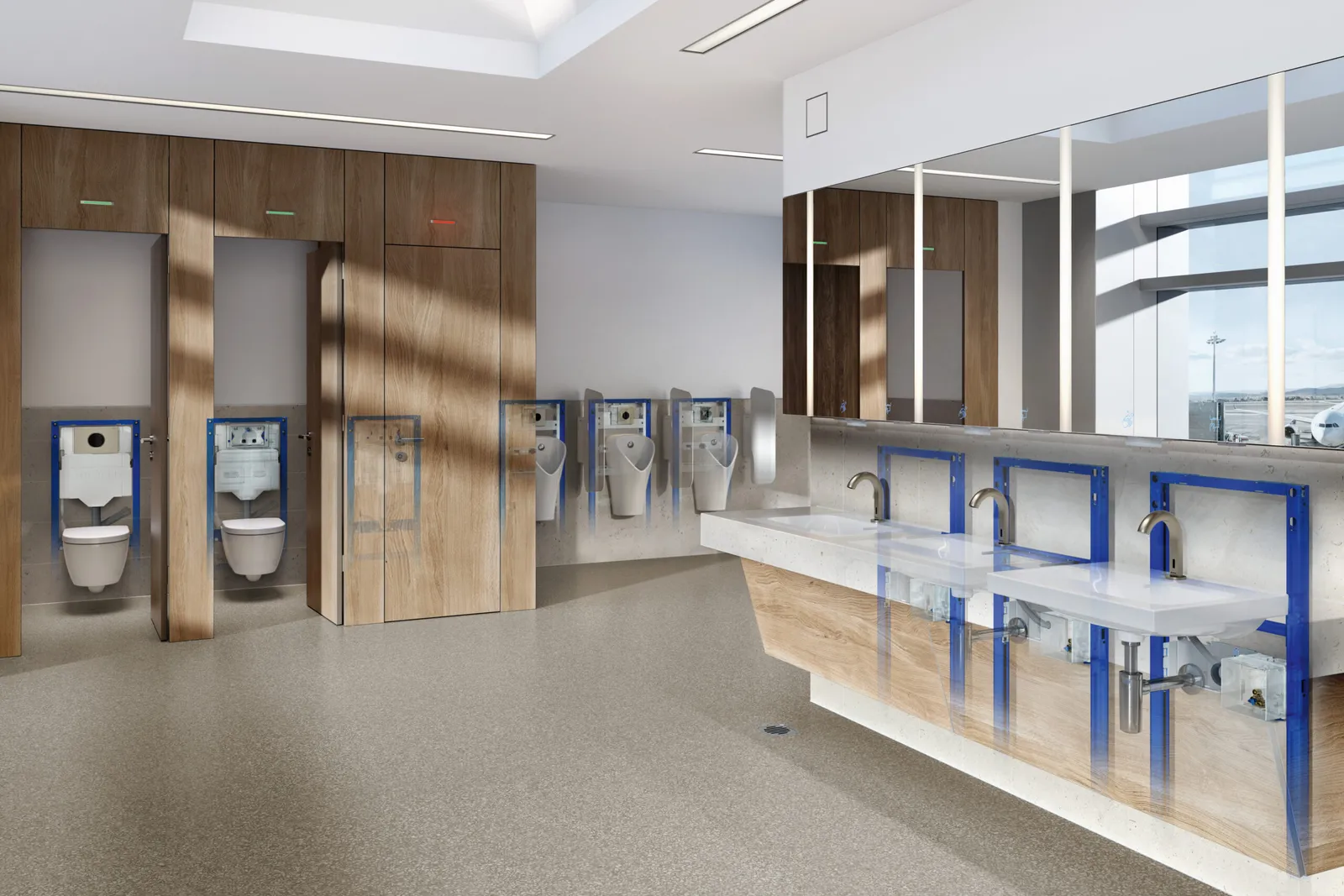
Geberit offers innovative solutions for public toilet facilities, including robust ceramic sanitaryware, hygienic flushing systems and touch-free flush plates. These technologies support sustainability, ease of maintenance and a better user experience in public buildings.
* The Toilet Pass gives people with chronic bowel problems free, discreet access to toilet facilities at hospitality businesses, local independent businesses and professional practices throughout Europe, without having to make a purchase or pay a fee.
Geberit relaunches “Hunt for Dirty Toilets”
To mark World Toilet Day on 19 November, Geberit is launching the 6th edition of its “Hunt for Dirty Toilets” initiative this year. From 19 November to 31 December, schools can apply for renovation support and be in with a chance of receiving 7,500 euros’ worth of sanitary equipment. Since 2020, 15 schools have already received direct support. In total, 448 schools have submitted applications over the past 5 years, a clear sign that the issue matters. For more information about the entry requirements for “Hunt for Dirty Toilets”: geberit.be/wtd
Key survey figures:
- 51% of Belgians find it difficult to use the toilet when away from home.
- 1 in 3 avoid doing so as much as possible.
- 55% have experienced toilet anxiety since their school years.
- 67% blame poorly maintained school toilets.
- 3 in 4 think there are too few public toilets in Belgium.
- 65% do not consider existing public toilets hygienic enough.
- 8 in 10 are willing to pay for a clean public toilet.
- Toilet anxiety: 74% cannot relax when other people are waiting
- 63% feel embarrassed about sounds or smells
Question about this story? Ask your question
Keep following this
Get an email when a new story is published. No account needed.
- ThemeSafe and efficient water use
- SubjectNews







