Belgium performs well in study of resilient electricity systems
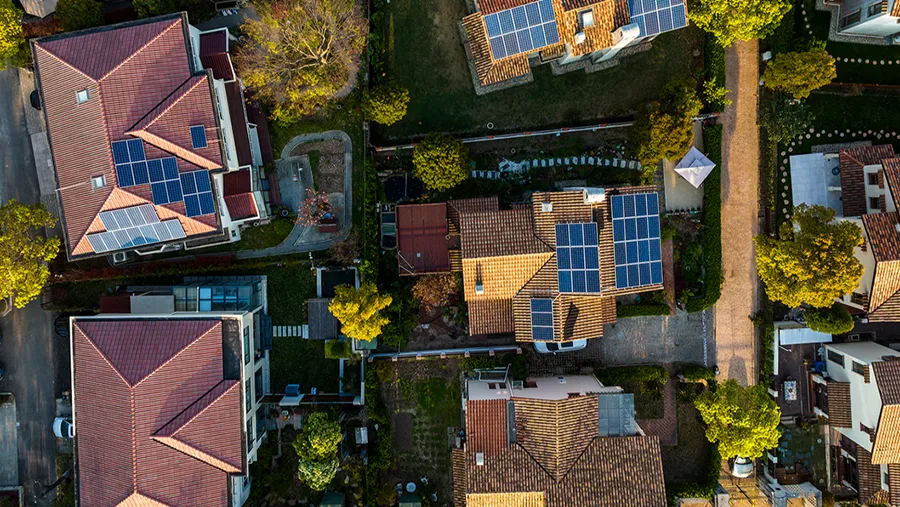
Belgium is among the countries with the greatest potential to improve electricity system resilience by using solar energy and backup inverters in homes. Northern European countries, by contrast, score lowest.
Today, Sweco publishes its study of the resilience of our electricity system. It shows that solar energy can play an important role in mitigating the effects of power cuts by providing access to essential basic needs and public services.
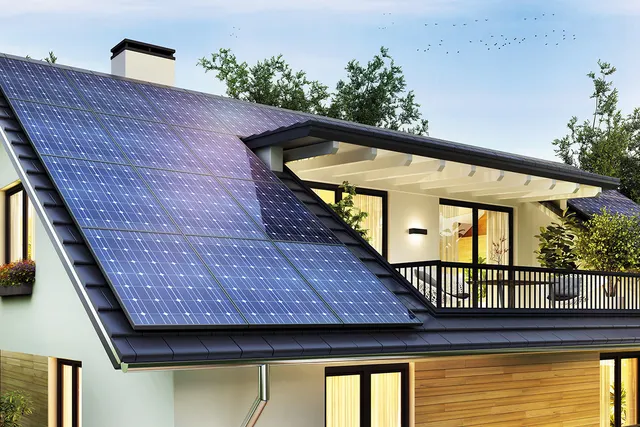
During power cuts, low-capacity backup power can support vital functions, such as mobile communications between citizens and the authorities, access to water or charging essential devices. A promising solution is backup power generated by rooftop solar panels, combined with daytime backup inverters or hybrid inverters with full backup batteries.
‘At Terbekehof, we set up an energy community involving five businesses, along with a shared water reservoir. The growing interest from other businesses on the site points to a trend towards sustainable, resilient business parks. As soon as legislation allows, we will activate ‘island mode’ to ensure a constant power supply during power cuts. This is a major step forward in energy resilience,’ says Daan Ongkowidjojo, Manager Energy for Society at Sweco Belgium.
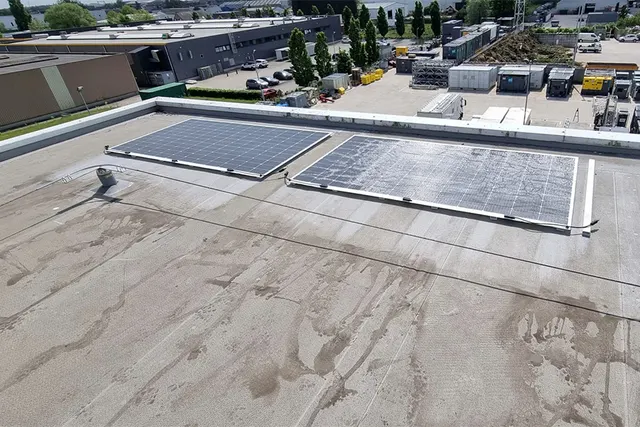
For safety reasons, standard grid-connected solar power systems stop generating electricity during power cuts, making inverters crucial. Backup inverters, designed to connect smaller loads without the need for batteries, make it possible to keep essential devices running during power cuts. Hybrid inverters, which integrate batteries or other forms of storage, offer a more comprehensive solution but are considerably more expensive.
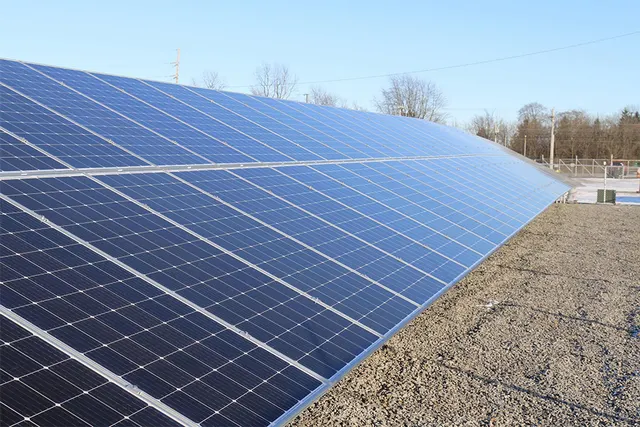
Use of solar energy systems is growing in the countries studied as a result of the energy transition, falling solar energy prices, subsidies and stricter regulations. Germany leads in installed solar capacity, while the Netherlands has the highest capacity per capita. Belgium ranks third for installed capacity per capita and second for potential resilience by 2028.
‘The remarkable growth of distributed photovoltaic systems in Belgium demonstrates a strong commitment to renewable energy. By investing an additional 400 euros, residents can ensure an uninterrupted power supply, even during unforeseen outages,’ adds Alexandra Lybaert, Program Manager Energy Transition at Sweco Belgium.
The study also explores the theoretical potential for improving resilience in critical infrastructure, such as water management and mobile communications, by integrating solar energy solutions or locating them near solar power plants.
Read the full study: Resilience through solar energy: Backup power from solar panels during blackouts
About the study
Sweco analysed the potential for electricity resilience in nine European countries over the next five years, examining the future development of solar energy as well as the costs and potential load of backup power solutions during power cuts. The countries studied are Belgium, the Czech Republic, Denmark, Finland, Germany, the Netherlands, Norway, Sweden and the UK.
Installed solar capacity per capita
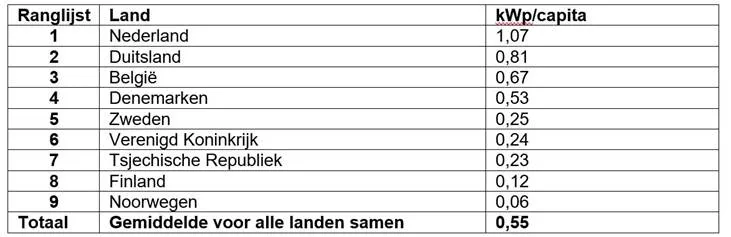
Note: Installed capacity per capita covers all installed solar capacity, not just residential installations. Using installed kWp per capita based on total installed capacity gives a clearer picture of the scale and distribution of solar energy in the country relative to its population.
Share of the population with potential electricity resilience by 2028
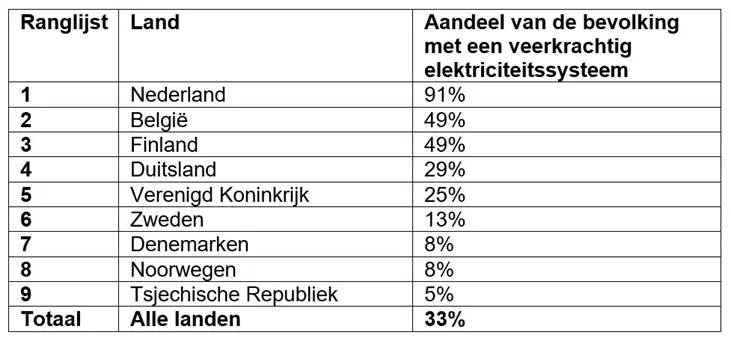
Note: In this scenario, all new residential solar installations from 2023 to 2028 would include a backup inverter, and each household would supply electricity to three neighbouring households.
Question about this story? Ask your question
Keep following this
Get an email when a new story is published. No account needed.
- ThemeEnergy generation and smart use
- SubjectSolar