How to keep legionella at bay
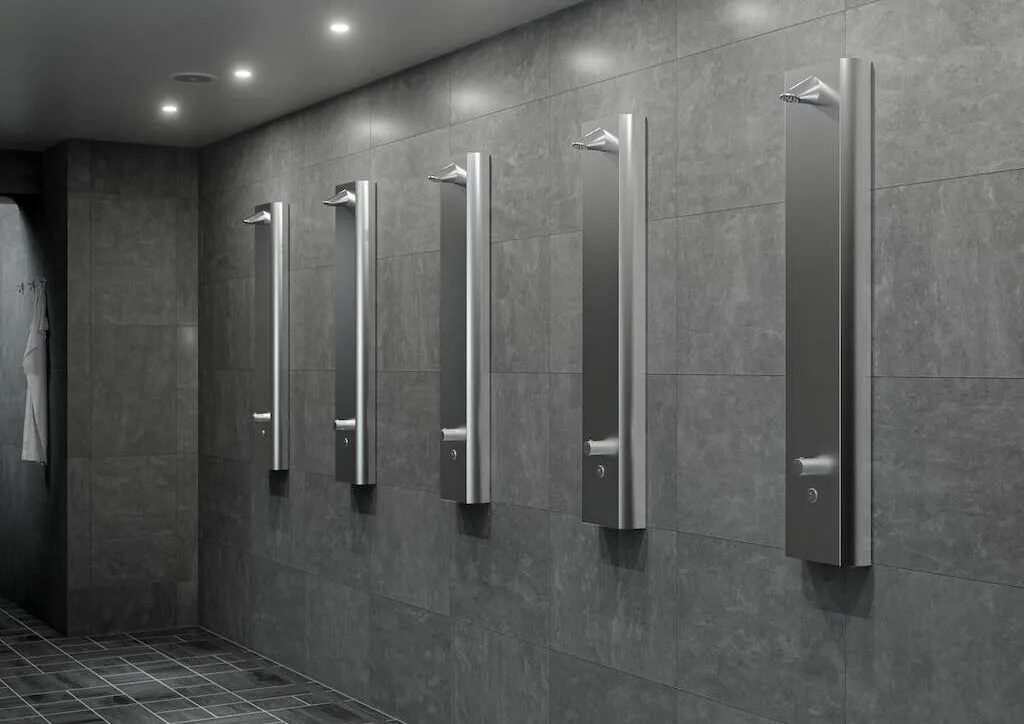
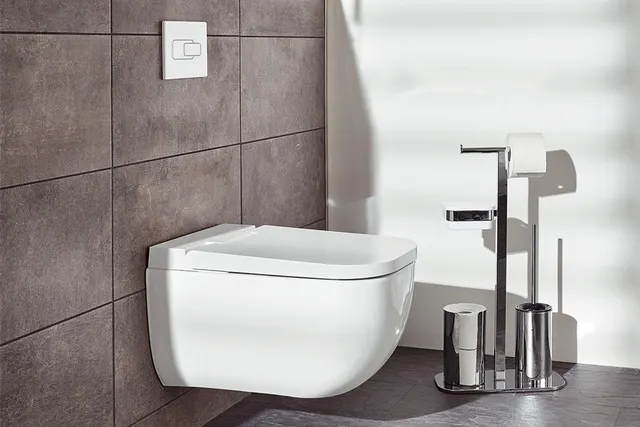
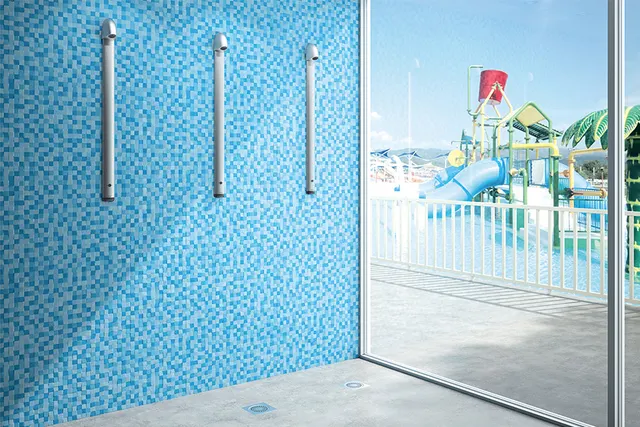
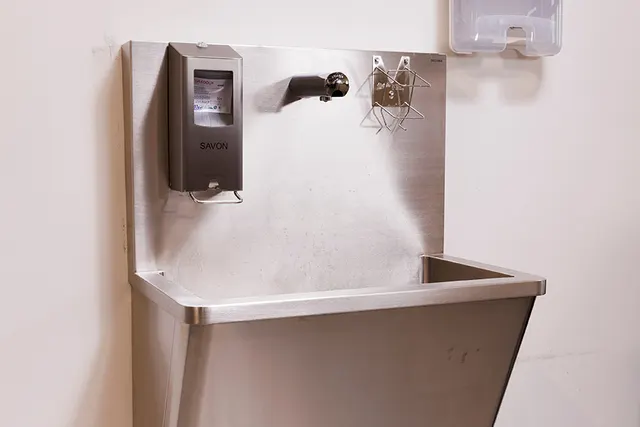
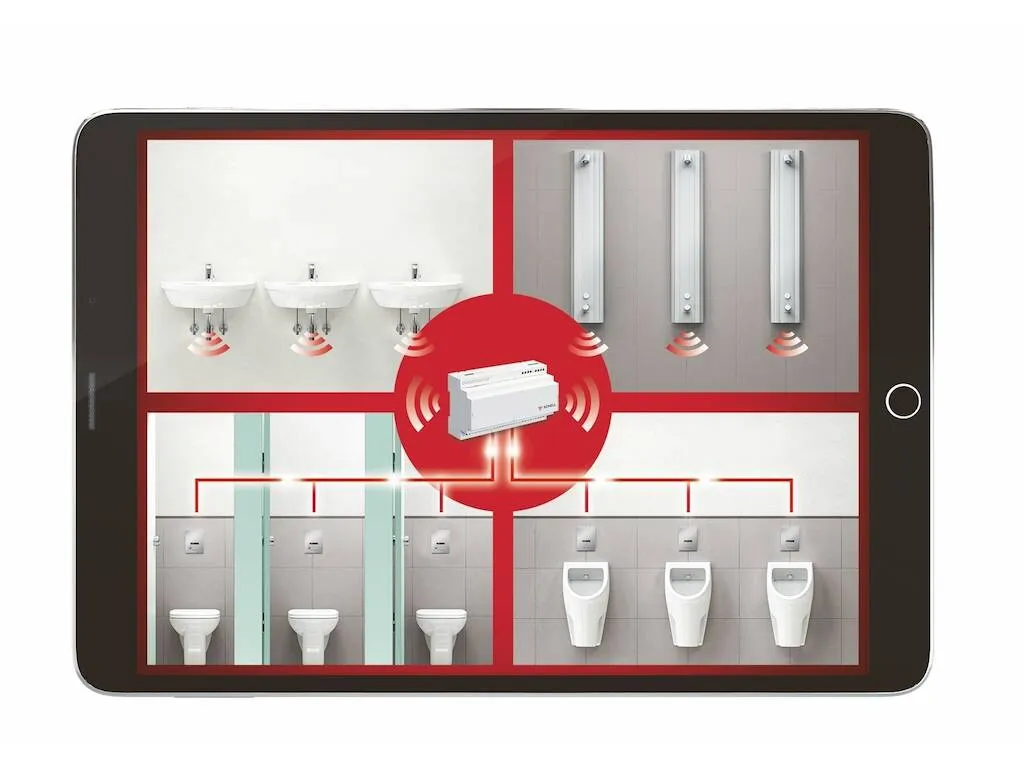
Water left standing in pipes for too long increases the risk of legionella. This can lead to a serious form of pneumonia known as Legionnaires’ disease. It is therefore important to keep cold water temperatures under control by flushing pipes and outlets regularly and at sufficient pressure. SCHELL develops and manufactures high-quality taps for showers, washbasins and toilets. The SWS water management system connects and controls all the electronic taps in a building, ensuring they are flushed automatically at regular intervals.
Bacteria have been around as long as humans, but we have not known about legionella for very long. These bacteria are almost always present in water in small quantities. As long as their concentration remains low, there is no cause for concern. But when concentrations are high, danger is lurking. If we inhale the bacteria, for example in aerosols while showering, they can cause Legionnaires’ disease, a form of legionellosis. It is a serious form of pneumonia, characterised by symptoms such as coughing, muscle pain, fever, shortness of breath and headache. One in ten people does not survive the infection. “In some cases, people die from this relatively new disease before a doctor can make the correct diagnosis. It is therefore important to consult a doctor as soon as possible if you have symptoms of pneumonia and may have been exposed to legionella,” says Dr Peter Arens, renowned hygiene specialist and legionella expert, who heads product management at SCHELL. “Studies show that Legionnaires’ disease is most common in men, and that the number of cases increases with age. Although more and more techniques are available to prevent the bacteria from growing, the figures continue to rise across Europe. It is therefore important to step up monitoring further.”
Summer months
What conditions allow legionella bacteria to multiply? Over the years, it has become clear that water left standing in pipes, for example during holiday periods and, more recently, during the Covid-19 lockdown, causes the bacteria to multiply excessively in drinking water. Taps are not used enough during these periods, and the flow rate is also insufficient because not enough water passes through the pipes. The situation becomes particularly alarming during the warmer summer months. If the pipes are not flushed sufficiently, cold water in them can become too warm, creating a breeding ground for dangerous bacteria. ❯ “We need to ensure that drinking water systems are designed and installed so that water cannot remain stagnant in them. To achieve this, they must be flushed weekly. It is also advisable not to run drinking water pipes through floors with underfloor heating, and to separate cold and hot water pipes. Careful planning at the building design stage will ensure that cold water always stays cold.” Legionella requires considerable attention and care, particularly from installers. And this is still a stumbling block at times, says Arens. “Some installers are not sufficiently aware of the risks. Too often, attention is paid only to hot water pipes, when the danger lies mainly in cold water pipes. If a cold water pipe is uninsulated, close to a heat source or in a warm shaft, the water inside can rise above 25°C, resulting in legionella growth.” SCHELL therefore considers it important to advise and support installers as effectively as possible. “Ask for advice before you start the installation. With a small additional cost and an inventive approach, you can already prevent a lot of harm,” advises Arens.
Every three days
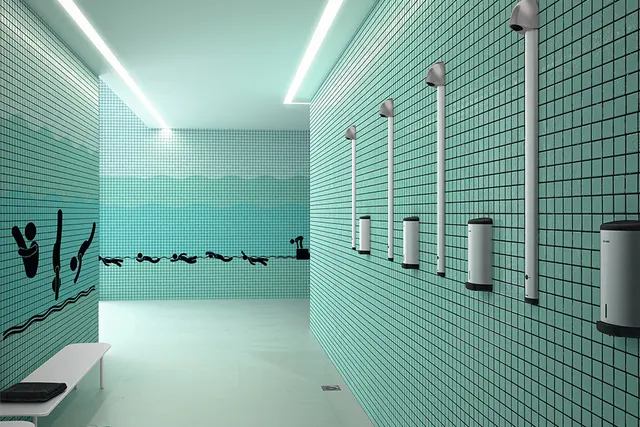
To keep bacteria concentrations under control, all pipes and outlets must be flushed thoroughly every three days. It is also better to flush the different fittings at the same time, as this increases the flow rate in the pipes and systems. The more frequently this is done, the more effectively bacteria can be reduced. SCHELL develops and manufactures automated fittings for washbasins, showers and toilets, ideally suited to applications that require frequent use and intensive operation. “We use only materials suitable for drinking water that do not affect its quality. Our infrared-controlled taps have smooth, rounded edges and surfaces that are easy to clean and to which bacteria and dirt barely adhere,” explains Dirk Vanden Breede, managing director of SCHELL Belgium. “Thermal disinfection disinfects the entire system, including all outlet taps. To prevent water from remaining stagnant in the pipes and pathogens from developing, our electronically controlled taps are flushed for approximately thirty seconds 24 hours after their last use. This flushes the water through to the aerator or shower head, refreshing it throughout the entire pipe run. For smaller installations, a Bluetooth module can optionally be integrated. It offers several programming options and allows users to keep a logbook for each tap.” Vanden Breede continues: “It is better to prevent legionella than to treat it, because that means closing your facility and cleaning everything chemically or thermally. It is therefore wise to limit human activity and let the system refresh the water regularly by itself. SCHELL’s SWS water management system connects and controls all the electronic taps in a building centrally. This makes it possible to programme stagnation flushing, while the system keeps a logbook for the prevention plan. All connected outlets can be opened simultaneously and/or in groups to create sufficient flow. Legionella and other bacteria are then given no chance.”
Question about this story? Ask your question
Keep following this
Get an email when a new story is published. No account needed.
- ThemeSafe and efficient water use
- SubjectSanitaryware